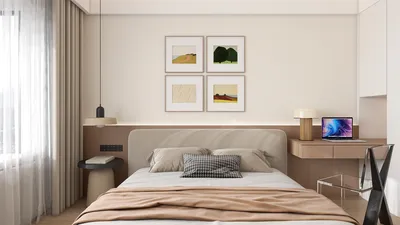


Organic minimalist interior design is a harmonious blend of minimalism with an emphasis on natural materials and organic forms, producing spaces that are visually appealing and conducive to well-being. This design philosophy prioritizes simplicity, functionality, and sustainability, enabling homeowners to cultivate tranquil and inviting atmospheres. By integrating elements from nature, like wood, stone, and greenery, organic minimalism invites the outdoor beauty inside, fostering a symbiotic relationship between home and environment. In this article, we will delve into the pivotal features of organic minimalist design, suggest strategies for embodying this style, and discuss how it can elevate your living space. One central aspect of organic minimalism is the employment of natural materials that not only add texture and warmth but also promote a sustainable lifestyle. When choosing furniture and decorative items, focus on selections made from wood, bamboo, or recycled resources. It's prudent to steer clear of synthetic fabrics and plastics, which may disturb the natural ambiance you aim to establish. Opt for organic cotton, linen, or wool for your textiles instead. The color scheme is another vital element of organic minimalist design. Soft, muted hues such as whites, beiges, and earth tones create a serene atmosphere. These shades mirror natural elements and foster tranquility within the home. While decorating, consider adding flashes of green through plants or nature-inspired artwork to invigorate your space. The choice of furniture plays a significant role in achieving an organic minimalist aesthetic. Seek pieces characterized by clean lines and uncomplicated forms, while avoiding overly elaborate designs. Emphasize functionality, ensuring that each item fulfills a purpose and remains aesthetically pleasing. Multi-functional furniture, like a storage coffee table or a convertible sofa, helps maintain a neat environment. Moreover, lighting is a crucial component in organic minimalist interiors. Maximizing natural light is essential for creating an open and airy ambiance. Employ sheer curtains or blinds to allow light to enter while preserving privacy. Integrate soft, ambient lights through floor lamps, table lamps, or wall sconces that align with the overall theme without overpowering the space. For an authentic organic minimalist setting, incorporating nature is key. Houseplants enhance air quality and infuse vibrancy into your home. Choose low-maintenance varieties, such as succulents or snake plants, to stay true to the minimalist ethos. Additionally, employing natural elements like wooden accents, stone features, or even water features can elevate the organic essence of your environment. Finally, remember that embracing minimalism means that less is indeed more. In organic minimalist design, decluttering is vital—keep only what you truly cherish and require. This approach not only curates a visually pleasing ambiance but also encourages a sense of calm and clarity. Regularly assess your possessions and part with anything that fails to serve a purpose or bring joy. By adopting organic minimalist interior design principles, you can transform your living space into a sanctuary that echoes your values and boosts your well-being. With a commitment to natural materials, simplicity, and utility, organic minimalism empowers you to curate spaces that are both stunning and meaningful, and tools like Homestyler can assist in visualizing these beautiful transformations.
Tips 1:
Opt for natural materials and engage in regular decluttering to preserve an organic minimalist atmosphere.
FAQ
Welcome to Homestyler.
Projete agora para LIVRE
































