

In approaching outdoor wedding venues, I envision them as landscape-centric stage sets—an architectural canvas without boundaries, where elements like light, wind, and sound serve as essential materials. My goal is to craft a seamless experience for guests, optimizing their movement, focusing attention during the ceremony, and ensuring comfort at receptions, all while safeguarding against the unpredictability of weather, brightness, and noise. When executed effectively, these venues radiate an effortless cinematic charm, enhanced by tools like Homestyler for planning.
Two key principles anchor my planning process: ensuring guest comfort and establishing a visual hierarchy. The WELL v2 framework emphasizes the importance of daylight quality, glare reduction, and temperature control as vital to the overall experience; these factors are particularly crucial in outdoor spaces where sunlight can change quickly and localized weather conditions can differ. Research from Steelcase indicates that when individuals can adjust their environment—whether through shading, seating arrangements, or their proximity to social activities—they report increased comfort. These concepts translate perfectly to outdoor settings: flexible shade solutions, customizable seating arrangements, and sound mitigation strategies are imperative for success.
Making informed choices is essential for the technical aspects of event planning. According to IES guidelines for outdoor lighting, achieving the right vertical illuminance is crucial for safety and visual clarity; for outdoor receptions, I prefer using a warm-white spectrum of 2200–2700K, ensuring pathway illuminance ranges from 10 to 20 lux, increasing to between 50 and 100 lux at bars and service areas while preventing glare from reaching eye level. Warm amber tones and soft whites not only reduce eye strain but also cultivate a sense of intimacy—perfect for evening ceremonies and nighttime celebrations, enhanced with visuals on platforms like Homestyler.
To effectively design the flow of spaces, I map movement akin to how a director choreographs a scene. Guests should instinctually know where to gather, witness, dine, and dance. I often use a classic layout comprising a ceremonial area (the central view), a cocktail garden (the transitional mingling space), and a reception terrace (dining and dancing combined). It's important that service pathways are both discreet and efficient. For uneven terrain, I tend to utilize natural elevations for the altar, tiering seating to maintain clear sightlines across numerous rows.
For more intricate outdoor layouts, I often prototype walkways, queue areas, and table configurations using digital planning software like Homestyler, allowing us to test seating counts, aisle widths, and visibility lines for the DJ before the setup begins. Employing fast layout simulation tools can help verify spacing for various canopy sizes and alternative arrangements.
The lighting environment encompasses aspects such as timing, color, and glare management. Ceremonies during the golden hour offer stunning visuals but come with the risk of guests facing bright sunlight. I orient seating arrangements in a way that the couple is backlit while guests enjoy a view of the soft sky, avoiding direct sunlight. Incorporating high, narrow shade sails or sheer canopies can help diminish glare by 20 to 40% without sacrificing the atmosphere. For evening receptions, a color temperature around 2200 to 2400K sets the mood; a combination of dimmable string lights, uplights hidden in tree canopies, and low-glare lanterns at eye level creates an inviting environment, while ensuring that the dance floor remains approximately 20% brighter than dining tables to encourage movement without compromising intimacy.
To manage acoustics in open venues where sound can dissipate, I analyze wind patterns and utilize landscape features—such as hedges or planter walls—creating pockets of sound. Distributing small speakers throughout the perimeter at a lower volume is far more effective than clustering one loud source. Additionally, shielding the microphone and vow area on two sides with a fabric backdrop or floral arrangements helps retain sound directed toward the audience. Setting aside lounge zones distanced from subwoofers caters to older attendees and promotes quieter conversations.
I strategically select seating layouts and consider human factors, placing ceremony chairs approximately 20 to 22 inches apart with 36-inch aisles to balance comfort and capacity. For receptions, 60-inch round tables comfortably accommodate eight guests outdoors, while 72-inch tables may seat up to ten but require more space and can delay service. For family-style dining, it's essential to provide around 30 inches per person at long tables to avoid crowding. Creating micro-hearths, such as fire bowls or clusters of candles near lounging areas, draws guests together during twilight events.
Weather preparation is crucial without sacrificing romance; Plan A must be visually appealing, while Plan B should harmonize in aesthetics. I prefer clearspan canopies with optional sidewalls that can be deployed as a measure of last resort. It’s wise to maintain a buffer of 15 to 20% in covered space for any late-arriving tables or to offer sheltered seating for the ceremony. For warmer days, misting systems can be hidden along support beams, and hand fans may be distributed for forecasts exceeding 80°F. For cooler evenings, utilizing mushroom heaters and offering lap blankets in lounge areas ensures comfort without overwhelming the dining space.
When considering materiality and sustainability, I opt for materials that endure well in outdoor settings. Powder-coated frames, marine-grade fabrics, and sustainably sourced wood withstand elements like humidity and salt air. Lay down modular flooring or composite decking to prevent potential hazards and safeguard grass areas. Instead of traditional candles, I prefer LED alternatives resembling real flames set at 2200K, which minimizes fire risk while maintaining ambiance. Using local and seasonal flowers contributes to sustainability, while structural greenery can replace foam-heavy installations. I prioritize linens made from recycled content where feasible and promote the reuse of dishware across ceremony and reception zones.
The foundation of outdoor elegance frequently relies on subtle logistical details. I separately manage clean and dirty electrical circuits for lighting and catering, and I specify a silent generator equipped with automatic transfer. Cables must be installed to avoid crossing guest pathways. It's vital to have a back-of-house area containing plating stations, a floral repair workspace, and storage for rain gear and additional heaters. Thoughtfully implemented wayfinding markers, like discreet stake lights along accessible paths, offer safe navigation during evening events.
Color plays a critical role in creating atmosphere. Soft neutrals and shades of sage connect the venue to its surrounding environment, while gradient hues from blush to amber in lighting cultivate intimacy and tranquility. Research indicates that warmer tones can enhance connection and approachability, while cooler blues can encourage a more relaxed atmosphere—ideal for lounge areas where conversation is key. By layering candlelight with amber uplighting, I can warm skin tones in photographs, resulting in flattering visuals.
To optimize for photography, I ensure that unsightly objects remain outside the camera's primary view, avoiding distractions during the vows and first dance. Floral arrangements should accentuate rather than obstruct faces. If sparklers or fireworks are part of the celebration, I always ensure a safe distance of 25 to 30 feet from the edges of canopies while pre-setting camera positions with tripod pads to ensure stunning captures.
When establishing spatial ratios, a good starting point for organizing events with a guest count of approximately 100 includes allocating 1,200 to 1,500 square feet for the ceremony seating, 600 to 800 square feet for cocktails (with at least two bars measuring 8 to 12 linear feet each), around 1,800 to 2,200 square feet for dining depending on table arrangements, and a dance floor measuring 300 to 400 square feet for lighter crowds or 500 to 625 square feet for more energetic gatherings. Circulation areas should account for an additional 20% of space, particularly in landscaped settings with elevation changes that might hinder movement.
When budgeting priorities, I recommend allocating resources first towards shade solutions, high-quality sound dispersion, and layered lighting, as these elements form the foundation of the entire experience. Following this, focus on the ground surface (be it flooring or a well-maintained lawn) and an eye-catching element at the ceremony that can double as a backdrop for the reception. Finally, floral arrangements should serve as an enhancement rather than a necessity.
1) Determine the sunlight's orientation and prevailing winds. 2) Block out ceremony axes and service pathways. 3) Utilize a space planning tool to prototype table layouts for accuracy. 4) Develop lighting scripts for the ceremony, dining, and dancing phases. 5) Prepare contingency plans that ensure both scenarios appear equally stunning.
FAQ
Q1: What’s the best way to time an outdoor ceremony for optimal light?
A1: Schedule the ceremony for 60 to 90 minutes prior to sunset for soft illumination on faces. Position guests away from direct sunlight to minimize squinting and glare; consider using sheer canopies or umbrellas if timing necessitates an earlier ceremony.
Q2: What color temperature works best for evening receptions?
A2: Maintain ambient lighting at 2200 to 2400K for warmth, and adjust task lighting (at bars and stations) to around 2700K for visibility. For dance lighting, keep it 10 to 20% brighter than dining to indicate energy while preserving soft aesthetics.
Q3: What’s the ideal size for a dance floor?
A3: For 100 attendees participating moderately, a floor space of 300 to 400 square feet is ideal; for more dynamic groups, allocate 5 to 6 square feet per expected dancer, which equals around 500 to 625 square feet if half of the guests are dancing simultaneously.
Q4: How should one manage wind and the audibility of speeches?
A4: Shield the vow area on two sides with floral arrangements, hedges, or tent liners to mitigate wind interference. Use distributed speakers at lower volume around the venue's edges, along with quality windscreens on microphones to ensure clear audio.
Q5: What layouts work best on uneven terrains?
A5: Gentle chevron or arc configurations provide better sightlines than straight rows. Consider using temporary platforms in the front rows, ensuring 36-inch aisles for accessibility and accommodating dress trains.
Q6: How can I maintain lighting safety without compromising ambiance?
A6: Ensure pathways are lit at 10 to 20 lux with shielded fixtures, increase lighting at bars and service points to 50 to 100 lux for safety, and utilize warm dimming. Conceal fixtures to prevent visible glare; uplighting trees adds depth to the ceiling space.
Q7: What weather contingencies can maintain elegance?
A7: Utilize clearspan canopies with concealed sidewalls that can be deployed when necessary, along with aesthetically pleasing umbrellas, and ensure lighting is pre-wired to ensure both Plan A and Plan B maintain an elegant appearance.
Q8: How can I enhance sustainability?
A8: Utilize locally sourced flowers, reusable dishware, and LED candle alternatives at 2200K. Choose efficient generators and modular flooring that can be reused, and select durable, marine-grade materials for rental items.
Q9: How much bar space is needed?
A9: Offer 8 to 12 linear feet of bar per 100 guests, with a minimum of two bar locations to alleviate wait times and disperse guest flow through the cocktail area.
Q10: What should I consider for accessible routes?
A10: Ensure solid, non-slip pathways with a maximum slope of 1:20, use subtle lighting for safety, and place accessible seating near aisles where guests will have clear views. Avoid running cables across any pathways.
Q11: How should I choose a backdrop for the ceremony?
A11: Select the most picturesque natural vista and frame it with appropriately scaled structures—ideally 1 to 1.5 times the couple’s height—while ensuring there’s enough depth for floral arrangements that won’t obstruct views during photography.
Q12: Any suggestions for sound management with outdoor live bands?
A12: Position the stage to enable sound to travel across the audience rather than into open areas. Utilize cardioid subarrays to minimize undesired low-frequency spill, and ensure a skilled front-of-house engineer is present to manage sound peaks effectively.
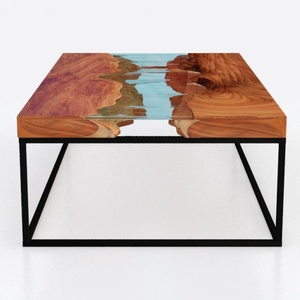
Modern Solid Wood Epoxy Resin Square Coffee Table 3D Model

Minimalist Solid Wood Fluted Round Coffee Table 3D Model

Fabric Accent Chair, Upholstered Armchair with
Homestyler is your go-to online home design platform that makes creating stunning interiors easy and fun. With its user-friendly design tool, impressive 3D renderings, and a wealth of creative projects and video tutorials, you’ll transform your space into a dream home in no time!
Projete agora para LIVRE
































