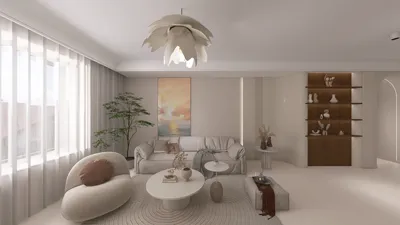


A client once asked me to fit a sectional, a piano, and a hammock into their tiny living room simultaneously. I quipped that without the ability to bend reality, we would need a strategic plan. Using a handy visualization tool, I showcased a layout of the living room that highlighted the necessary trade-offs. This approach eased the tension in the room and led us to a comfortable and spacious resolution.
In small areas, decisions must be made, which often sparks innovative ideas. In this article, I will present five practical strategies that I implement in real projects to optimize furniture arrangement in compact living rooms. Each method has been tried-and-tested, offering small trade-offs and easy gains.
1. Select the right-sized sofa (avoid oversizing)
I consistently advise clients to opt for a slim-armed or armless sofa instead of the plushest, deepest model. The benefits are clear: you maintain seating while conserving floor space, and keep sightlines clear, making the room appear larger than it is.
However, this might mean sacrificing some plush comfort. My solution is pairing a narrow sofa with a soft throw and a single deep lounge chair for an excellent balance between scale and comfort.
save pin
2. Define clear zones using rugs and furniture arrangement
Even in rooms measuring 12 feet, you can create a conversational area, a media wall, and a cozy reading nook. Position a rug to anchor the seating and draw furniture together to form a natural conversation circle.
This tactic enhances traffic flow and prevents furniture from appearing as though it’s scattered randomly. The trade-off is committing to fewer, multifunctional items instead of filling every nook.
save pin
3. Opt for multifunctional furniture and concealed storage
Storage ottomans, slim consoles behind sofas, and coffee tables with hidden drawers are invaluable assets. To avoid overwhelming the space with bulky items, I often assess storage needs before selecting furniture. Using effective layout tools can help you plan accurately, ensuring hidden compartments fit seamlessly into your design without unexpected challenges. While it’s true that quality multifunctional pieces may carry a bigger price tag, they ultimately enhance functional space.
save pin
4. Utilize vertical space — shelves, wall lighting, and slender cabinets
In areas with limited floor space, vertical thinking is key. Tall bookcases, wall-mounted media units, and wall sconces elevate walking space and minimize clutter. I transformed a narrow wall into stacked open shelves, providing extra storage while adding character.
The potential downside is the visual load; keeping upper shelves light with open designs and brighter finishes prevents the wall from feeling oppressive.
save pin
5. Adopt flexible arrangements and light furniture
Lightweight chairs and nesting tables allow for room rearrangements for guests, movie nights, or workspace needs. I frequently test various layouts on-the-fly to identify which arrangement best supports everyday functionality.
If you're uncertain about which layout suits your lifestyle, trying different configurations digitally can be a quick and effortless way to experiment without the hassle of heavy lifting at odd hours. Embracing flexibility means sacrificing a bit of permanence but provides the adaptability to modify over time.
save pin
FAQ
Q1: What’s the optimal distance between a sofa and a coffee table?
Allow for approximately 14-18 inches between the sofa and coffee table to facilitate easy access and movement. Any less creates a crowded feeling, while too much distance makes the coffee table less practical.
Q2: How do I determine the right rug size for a small living room?
Select a rug that accommodates all the front legs of the seating or at least the front ones; this visually integrates the seating area. A rug that is too small can disrupt the space.
Q3: Is it feasible to place a sectional in a small living room?
Absolutely, but choose a right-arm or left-arm chaise rather than an oversized wraparound sectional. Take precise measurements and contemplate a smaller chaise or a modular design that can be rearranged as needed.
Q4: What clearance do I require for main pathways?
Aim for about 36 inches for primary circulation routes to allow comfortable two-way traffic. According to the American Society of Interior Designers (ASID), maintaining clear walking paths enhances both functionality and aesthetics of rooms.
Q5: Where is the best place to position a TV in a small living room?
Set the TV across from the main seating area at a distance that offers a comfortable viewing angle; wall mounting can save floor space. You might also think about camouflaging it with a console or artwork when it's not in use.
Q6: How can I create the illusion of height in a small living room?
Utilize vertical stripes, hang curtains high near the ceiling, and consider floor-to-ceiling shelving to draw the eye upwards. Light, reflective surfaces and mirrors also enhance this effect.
Q7: Are open shelves advisable in a small living room?
Open shelving can keep the room feeling spacious, but it does require discipline to stay organized. Combining closed cabinets and open shelves provides a well-rounded balance between storage and display.
Q8: What’s the quickest improvement that enhances flow?
Reorganizing furniture to establish a clear walk path and removing one oversized item that sees little use can bring significant enhancements. Often, a singular unwieldy piece, like an oversized chair or unnecessary table, is the issue; addressing it can lead to immediate improvements.
save pin
Discover the joy of designing your home with Homestyler! This user-friendly online platform offers an intuitive design tool, stunning 3D renderings, and a wealth of inspiring design projects and video tutorials. Transform your ideas into reality effortlessly—perfect for both beginners and seasoned decorators!
Projete agora para LIVRE
































