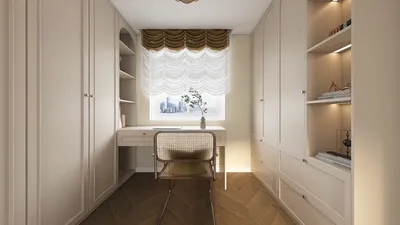


One time, I attempted to seat six people around a compact rectangular table, and let’s just say, our overly ambitious client didn’t foresee the loss of an armrest. This experience taught me that a small rectangular dining table can be either a significant design hurdle or a remarkable asset, contingent on the decisions made. To streamline the buying process while minimizing returns, visualizing your layout beforehand is essential. In this article, I’m excited to share five strategies I’ve successfully implemented in real projects to transform cramped dining areas into cherished spaces, utilizing Homestyler for layout visualization.
1. Opt for a sleek, elongated shape
I frequently recommend using a long, narrow rectangular table for narrow dining spaces; this design choice facilitates smooth movement while ensuring ample room for each place setting. The benefits include unobstructed sightlines and improved circulation. However, a trade-off exists as this configuration limits seating on the shorter ends — to accommodate extra guests, consider adding benches or stackable stools.
save pin
2. Combine a rectangular table with a bench
In tight spaces, my preferred solution is to place a bench alongside the table — it visually minimizes space while seating more individuals than separate chairs would allow. Although benches can be upholstered for added comfort, keep in mind that they slightly impede individual movement; I always test how easily individuals can enter and exit the bench during the design phase.
save pin
3. Utilize drop-leaf or extendable rectangular options
During one renovation, an extendable rectangular table was a lifesaver for a compact breakfast nook, providing room for holiday gatherings without overwhelming the kitchen. The advantage lies in its versatility: it can be compact for everyday use and generous for hosting guests. The downside may be the mechanism's price and possible wobble in more economical models, so I suggest testing the extension mechanism firsthand.
save pin
4. Create a banquette around the rectangle
Custom banquettes can create a delightful atmosphere — they snugly fit against the wall, offer storage beneath the seats, and lend a curated feel to your rectangular table. While ensuring efficient space utilization, they can be more expensive and permanent. If you’d like to visualize how a banquette would fit into your kitchen plan, creating mockups using tools like Homestyler can prove invaluable.
save pin
5. Select slender legs and lightweight materials
In compact areas, choosing tables with thin legs and a light tabletop can help diminish the sense of bulkiness. I generally favor an oak or laminate top paired with tapered metal legs for an elegant, airy look. One trade-off is that very light tops may feel fragile, so it's important to strike a balance between aesthetics and solid craftsmanship; often, mid-range tables excel in durability. To get a better feel for how everything will look, I sometimes leverage a 3D modeling tool to examine sightlines and proportions before making a purchase.
save pin
FAQ
Q1: What is the recommended width for a small rectangular dining table?
An ideal width typically ranges from 30 to 36 inches (76 to 91 cm), allowing place settings to be opposite each other without feeling cramped. In tighter spaces, a 28-inch width can work for casual dining settings.
Q2: How many seats does a 48-inch rectangular table accommodate?
A 48-inch long rectangular table generally seats four adults comfortably (two per side) and can fit a fifth or sixth guest with chairs positioned at the ends. Benches can offer flexible additional seating when needed.
Q3: Are benches preferable to chairs for small rectangular tables?
Benches optimize visual space and allow more guests to sit side-by-side, while chairs provide individual comfort and ease of movement. My suggestion is to use a bench on one side and chairs on the opposite side for balance.
Q4: Can a drop-leaf rectangular table be used in a contemporary kitchen?
Absolutely — modern drop-leaf designs feature sleek lines and dependable hardware. Just be sure to check the quality of the extension mechanism and how the leaves store to prevent any unsightly gaps.
Q5: What clearance should I have around a rectangular dining table?
According to design guides like those from the National Kitchen & Bath Association, it’s advisable to allow around 36 inches (91 cm) of clearance between the table’s edge and any walls or furniture; this space facilitates comfortable movement behind seated diners.
Q6: What kind of flooring and rug size is best with a small rectangular table?
When selecting a rug, ensure it extends at least 24 inches beyond the table's edges to keep chairs on the rug when pulled out. Additionally, hard flooring may benefit from a rug or foot protection to prevent scuffing in constricted setups.
Q7: Are glass tabletops suitable for small rectangular tables?
Glass tabletops can visually lighten the space, making it feel larger; however, they do tend to show smudges and require sturdy bases. I opt for glass when prioritizing a light aesthetic, provided that my clients are comfortable with the upkeep.
Q8: How can I set up a rental-friendly rectangular dining area?
Choose freestanding benches or lightweight tables that can be removed without damaging the walls; opting for finishes that effectively conceal wear, like distressed wood or patterned upholstery, works well. Removable cushions and slipcovers can maintain a fresh appearance without making permanent alterations.
save pin
Discover your creativity with Homestyler, the ultimate online home design platform! Its user-friendly design tool, stunning 3D renderings, and a wealth of design projects and video tutorials make it easy to transform your home. Unleash your inner designer today!
Projete agora para LIVRE
































