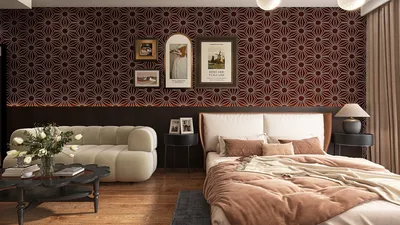


In my experience designing small spaces, I once had a client who insisted on an "all black everything" theme for their cramped living room. Initially, I was on board until the first mockup revealed a room that felt more like a cave than a cozy home. This taught me a crucial lesson: while monochrome designs can be striking, they require a strategic approach. To prevent you from making similar missteps, I've created a visual mockup using Homestyler to experiment with contrasts before making any purchases.
Tackling a small room often forces essential design choices, and these constraints usually inspire some of my most innovative ideas. Here, I share five practical inspirations for a tiny black and white living area based on actual projects I managed, highlighting the little quirks and compromises I encountered along the way.
1. Create high-contrast focal points
A striking focal piece can elevate your space dramatically: consider a black sofa against a crisp white textured wall or a sleek white mid-century coffee table atop a bold black rug. This contrast adds drama while keeping the area feeling open. The key is to maintain balance; too many competing elements can result in chaos.
Tip: Focus on one dominant feature (whether it be a sofa, rug, or media wall) and let the other pieces take a backseat. From a budget perspective, invest in that standout item while opting for more economical accessories.
save pin
2. Layer textures for visual depth
In a monochromatic scheme, texture becomes your invaluable ally. Incorporating various textures like matte paint, glossy ceramics, and a cozy boucle throw, along with a ribbed black lamp shade, introduces visual richness without reliance on color. For instance, in a 28 sqm flat I designed, using wool, leather, and lacquer created a luxurious feel instead of a flat one.
Small challenge: keep in mind that textured surfaces might showcase dust or pet hair differently. It’s smart to select durable materials for items you frequently use.
save pin
3. Utilize reflective surfaces to create an illusion of space
Mirrors and glossy finishes can work wonders by reflecting light throughout a small room. I often recommend including a tall, slender mirror or a lacquered media console to effectively double sightlines. This trick can immediately alleviate the boxed-in sensation that dark elements can impart.
Downside: shiny black surfaces are notorious for showing fingerprints. Opt for finishes that are easy to clean and position frequently touched items in areas less prone to smudging.
save pin
4. Add a hint of warmth
A touch of warm wood or brass is essential to prevent a black-and-white palette from appearing too clinical. In one instance, I included a maple side table in a project, and the homeowners reported that the space finally felt "livable." This small adjustment had a significant emotional impact.
Be cautious: introduce warmth sparingly to keep the overall scheme elegantly monochrome, rather than veering into eclectic territory.
save pin
5. Choose versatile, space-efficient furniture
In open-plan studios, I focus on designing furniture that serves multiple purposes — like a slim console that doubles as a dining surface, or nesting tables that free up floor space. When the living area is adjacent to a kitchenette, intelligent appliance placement and furniture zoning become crucial; I frequently utilize a 3D mockup in Homestyler to test layouts and avoid blunders.
Consideration: multi-functional furniture sometimes sacrifices comfort or storage, so prioritize what you use on a daily basis.
save pin
FAQ
Q1: Is black paint a poor choice for a small living room?
Not at all—if you balance it with whites or reflective surfaces. Use black on a single accent wall or in select furniture pieces rather than covering all four walls to maintain an open feel.
Q2: How can I prevent a black-and-white living room from feeling cold?
Incorporate textures alongside a slight touch of warm materials like wood or brass. Consider adding some soft textiles to enhance the inviting nature of the space.
Q3: What flooring complements a monochrome design best?
Light oak or mid-tone wood floors can warm up the palette while allowing your black-and-white elements to stand out. Soft grey porcelain tiles can also achieve a sleek appearance if desired.
Q4: Can I include patterns in a black-and-white room?
Certainly. Geometric rugs, striped pillows, or bold graphic throws can infuse personality. However, it’s wise to limit patterns to one or two pieces to maintain harmony.
Q5: How do I ensure adequate lighting in a dark monochrome living room?
Employ layered lighting: ambient (ceiling fixtures), task (reading lights), and accent (picture lighting). Reflective surfaces and mirrors amplify light distribution. Opt for LED bulbs with a warm color temperature (2700–3000K) for a cozy ambiance.
Q6: Any spatial guidelines for small open-plan areas?
Absolutely. Adhere to practical circulation widths as recommended by the National Kitchen & Bath Association (NKBA), which suggests around 42 inches for a single cook and 48 inches for multiple cooks in kitchen-work aisles. These guidelines help ensure comfortable movement in tighter layouts.
Q7: What should I budget for a stylish black-and-white update?
It’s variable based on scale — refreshing textiles and accessories can be done for under $500, whereas new furniture or custom cabinetry will increase costs. Focus on one investment piece and complement it with affordable accents.
Q8: Can I utilize AI tools for layout suggestions?
I sometimes employ AI-assisted tools for quick concept exploration; they’re excellent for rapidly testing styles, but always remember to verify proportions in real-life scale before making purchases.
save pin
Homestyler is your go-to online home design platform! With its user-friendly design tool, stunning 3D renderings, and a wealth of DIY video tutorials, you can effortlessly create and visualize your dream space. Get inspired and start designing today!
Projete agora para LIVRE
































