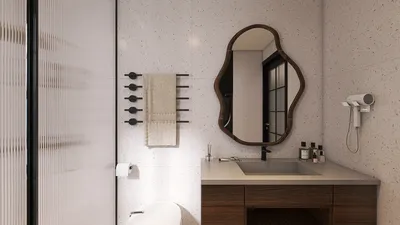


In my experience, one particular client was adamant about needing an oversized window in their bathroom, one that would allow them to wave at the neighbors. This unusual request came on the heels of an unfortunate discovery: a tiny colony of black insects in the grout. While I found it amusing at the time, that little infestation underscored the significance of proper ventilation, material selection, and thoughtful layouts. Indeed, working within compact spaces often ignites substantial ideas.
1. Enhance ventilation with a discreet extractor
Optimal airflow serves as the primary defense against insects that thrive in humid environments. I typically advocate for the installation of a silent, continuous extractor that vents outside — this method diminishes condensation and deters mold along with insect attraction. The benefits include cleaner air and fewer unpleasant surprises, while the drawbacks consist of added installation costs and the need to plan for ducting, particularly in compact structures.
save pin
2. Opt for groutless or large-format tiles
Grout lines often become a breeding ground for insects and grime. Transitioning to large-format porcelain or utilizing epoxy grout helps minimize seams, making maintenance simpler. I’ve updated numerous small bathrooms using this strategy — albeit slightly more expensive initially, it ultimately saves considerable time on cleaning and scrubbing.
save pin
3. Implement sealed storage solutions for toiletries
Open shelving tends to accumulate damp products that can lure insects. I prefer using recessed medicine cabinets or mirrored wall cabinets equipped with airtight seals for compact bathrooms; these options maintain organization and help prevent pest issues. While you may sacrifice some display space, the rewards include increased cleanliness and peace of mind.
save pin
4. Install water-resistant baseboards and sealed joints
Small black insects often infiltrate through damp gaps around the bathtub or where floors meet. I advise using flexible sealants and installing water-resistant baseboards to block these entry points. This seemingly minor adjustment can yield significant results — maintenance is reduced over time, although you'll still need to regularly check the caulking.
save pin
5. Use a ventilated shower niche instead of ledges
Traditional ledges and built-in soap trays can retain water, attracting pests. A well-ventilated niche or a sloping shelf that quickly sheds water can help eliminate stagnant moisture, making it less likely for small insects to take residence. It's important to waterproof the niche properly, so be sure to plan for suitable waterproof membranes during any renovation process.
save pin
Tips 1:
If you're looking to visualize layout modifications for better airflow and storage in your bathroom, consider using Homestyler's 3D floor planner to experiment with designs before making any big commitments. The free floor plan creator available in Homestyler can save you a lot of time during the initial stages of planning, especially when testing extractor placements and cabinetry layouts.
save pin
FAQ
Q1: What might those little black insects in my bathroom be?
A1: They are often identified as springtails or drain flies; springtails flourish in damp grout and organic material, while drain flies breed in slowly draining pipes.
Q2: How can I determine whether they originate from the drain?
A2: Place a piece of clear tape over the drain overnight — if you notice tiny insects on the tape, it is likely that the drain is the source.
Q3: Will improved ventilation help eliminate them?
A3: Enhanced ventilation can reduce humidity, creating a less welcoming environment for pests, but it’s also essential to clean drains, seal gaps, and remove any organic residue.
Q4: Are there safe home remedies to manage bathroom insects?
A4: Regular cleaning with vinegar, flushing drains with boiling water, and using enzyme drain cleaners can effectively reduce breeding sites without resorting to harsh chemicals.
Q5: When should I reach out to a professional pest controller?
A5: If infestations persist despite your cleaning efforts and moisture management, it's wise to consult a professional who can inspect plumbing and hidden moisture sources.
Q6: Can design choices help prevent future insect invasions?
A6: Absolutely — opting for groutless finishes, sealed joints, recessed storage, and effective ventilation can all significantly decrease habitats conducive to small insects.
Q7: Is there reliable research on moisture and household pests?
A7: Yes — for authoritative guidance on household pests and moisture control, you can refer to resources provided by the CDC (Centers for Disease Control and Prevention).
Q8: How can I efficiently plan a small bathroom remodel?
A8: Begin by establishing a clear plan that addresses all aspects of ventilation, waterproofing, and storage. Utilizing an office layout planner, like Homestyler, can greatly assist in managing the spatial elements of tight designs.
save pin
Discover your dream space with Homestyler! This user-friendly online design platform offers a powerful design tool, stunning 3D renderings, a variety of design projects, and helpful video tutorials. Whether you're a novice or a seasoned designer, Homestyler makes home design both fun and accessible!
Projete agora para LIVRE
































