


Professional workshops demand more robust, high-capacity, and workflow-optimized storage solutions for power tools compared to home workshops. Contractors often manage a large inventory of tools utilized daily, whereas home users generally prefer compact, versatile, and space-saving cabinets.
The primary distinctions stem from the number of tools, durability standards, electrical setup, and the frequency with which tools are accessed during work.
After years of designing storage systems for both contractors and DIY enthusiasts, a common misconception is clear: applying the same storage logic universally is ineffective.
The disparity between professional and home workshops is not merely about size; it's how tools are used, their movement frequency, and the wear-and-tear the storage must withstand. Cabinets ideal for hobby garages often fail quickly in a contractor’s environment.
When planning workshop layouts, leveraging tools like Homestyler to visualize the workspace in 3D helps uncover hidden storage issues that aren’t obvious on blueprints.
This guide explores the real differences between professional workshop tool storage and home cabinet designs, drawing on experience with contractors, woodworkers, and serious DIYers.
Knowing these differences upfront helps avoid expensive redesigns when building power tool storage.
The key factor differentiating professional and home workshops is intensity of use. Professional spaces require durable storage that supports constant daily tool access, while home workshops emphasize flexibility and saving space.
In a professional setting, tools are integral to production workflows, frequently picked up and returned dozens of times daily, necessitating storage that offers durability and quick access.
By contrast, home workshops are used more sporadically, often evenings or weekends, which affects how storage should be designed.
Typical differences observed in real-world projects highlight these contrasting needs.
Construction professionals often rely heavily on portable power tools, making accessibility and durability top priorities over compactness in contractor workshops.
Professional workshops generally house three to five times the number of power tools found in home settings.
A frequent design error is underestimating tool growth; contractors often accumulate new tools rapidly as their workload increases.
This variance profoundly influences cabinet design considerations.
Professional storage often includes reinforced structures and specialized compartments to handle heavy tool loads.
Before finalizing cabinet dimensions, it's recommended to sketch out an entire shop layout using platforms like Homestyler to visualize tool zones within the floor plan. This almost always leads to an increase in cabinet size to accommodate actual tool quantities.
Professional power tool cabinets must support considerably heavier loads and endure prolonged mechanical stress.
Contractor cabinets undergo frequent openings—hundreds weekly—making cheap materials and hardware unsuitable.
For instance, one flooring contractor stored nearly 200 pounds of equipment in a single drawer unit, causing standard home-grade hardware to fail quickly.
Recognizing durability requirements upfront helps prevent costly replacements, though it may increase the initial budget.
In professional environments, the placement of cabinets impacts productivity as much as the design itself.
Tools need to be positioned exactly where they’re utilized, a principle borrowed from manufacturing workflow strategies and vital in contractor shops.
Home workshops tend to overlook tool movement efficiency, but even hobbyists benefit from planning tool locations before assembling storage.
Electrical considerations are more complex in pro storage, as frequent battery charging creates heat, electrical load, and cable management challenges.
While home workshops might only require small charging setups, professional spaces need carefully designed electrical distribution integrated into storage solutions.
Using tools like Homestyler to map out electrical and storage zones during design stages helps avert safety risks later on.
To summarize, professional workshop power tool storage prioritizes durability, capacity, and workflow optimization. Home setups focus more on compactness and adaptability. The best cabinet design hinges on tool volume, usage frequency, and operational demands.
The most effective cabinets are designed to accommodate future tool collection growth.
Whether for professional or personal use, tool inventories tend to expand over time.
One furniture maker’s cabinet started with two bays and was later extended to six, demonstrating scalable design saves time and money.
Planning storage growth from the outset is crucial to avoid costly upgrades.
Frequently Asked Questions:
Professional workshops often store between 60 and 120 power tools, varying by specialization and project scale.
The main difference between professional and home workshop storage lies in the balance of durability and workflow speed versus compactness and flexibility.
Professional tool cabinets require heavy-duty drawer slides rated for 150 to 250 pounds to handle weighted tools safely.
Charging stations are essential in professional setups due to daily battery management, necessitating organized power supplies and ventilation.
Home workshops can adopt professional-style cabinets, but this is usually unnecessary due to cost and durability differences.
High-quality materials like 3/4-inch plywood with reinforced framing and industrial-grade drawer slides provide the best results for heavy-duty cabinets.
Designers should allow at least 30–40% extra storage to accommodate tool accumulation over time.
Wall-mounted storage solutions are advantageous in professional settings, keeping frequently used tools visible and reducing search time.

WAMPAT Farmhouse Coffee Bar Cabinet, 59" Buffet
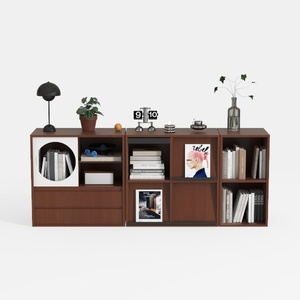
Minimalist Solid Wood Combined Bookshelf Cabinet 3D Model
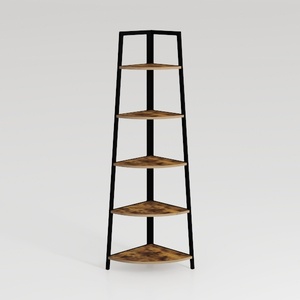
Modern Industrial Solid Wood Metal Corner Bookshelf 3D Model
Homestyler is a fantastic online platform that makes home design easy and fun. Use its powerful 3D rendering tools, explore numerous design projects, and learn through helpful DIY video tutorials to create your perfect space effortlessly.
Projete agora para LIVRE
































