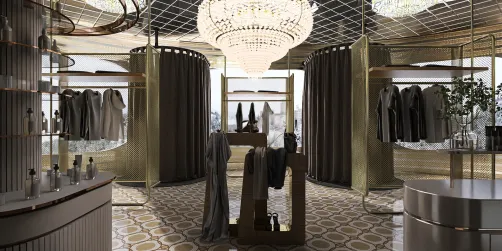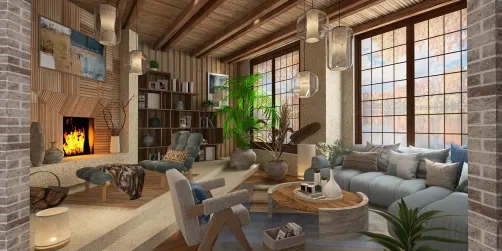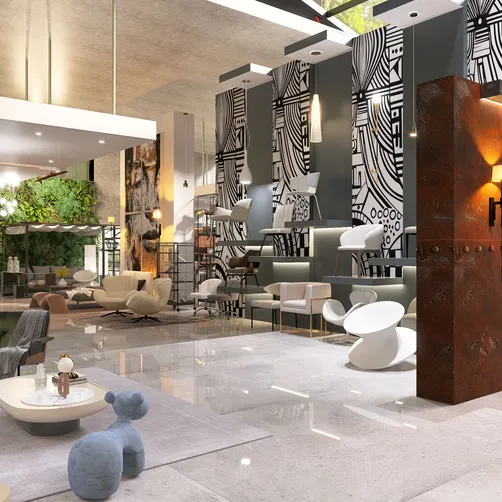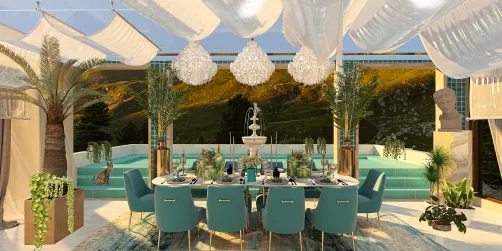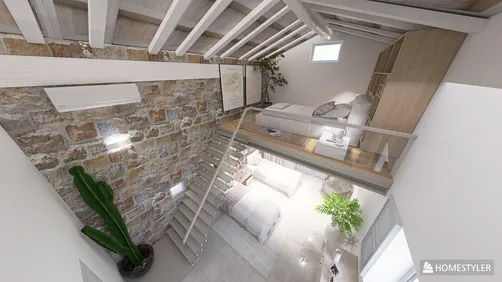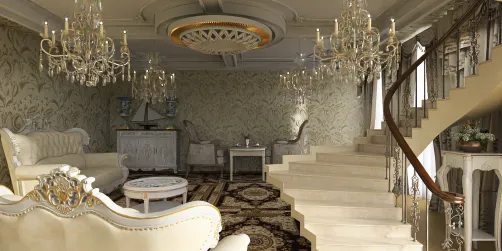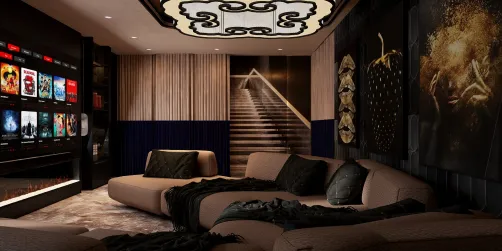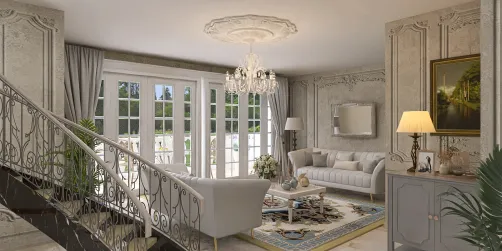
Rajendra Hall at ITC Grand Chola is renowned for its impressive scale and sophisticated design—this versatile ballroom can seamlessly accommodate prestigious conferences, elegant weddings, and diverse exhibitions. When organizing large events in this space, I strategically divide it into distinct zones, optimize guest movement right from the start, and calibrate the lighting, sound, and materials to reflect the event's objectives, ensuring a perfect alignment with tools like Homestyler.
The decisions I make are driven by capacity, comfort, and clarity. Research from Steelcase indicates that environments tailored to specific activities can enhance performance and engagement significantly, particularly when factors like movement, posture, and sightlines are taken into account. Additionally, the WELL v2 framework sets precise goals for comfort and health; for instance, L03 emphasizes glare management and the implementation of user-controlled lighting solutions to alleviate eye strain, while S04 highlights acoustic privacy strategies to mitigate distractions. These principles can be effectively applied in spacious ballrooms: achieving balanced light levels, creating controllable zones, and utilizing sound-absorbing finishes, allowing lengthy agendas to feel more manageable.
Assessing the Space: Proportions, Access, and Zoning
Rajendra Hall excels due to its divisible spaces and high ceilings. I begin by checking three essential criteria: (1) ensuring unobstructed sightlines, (2) evaluating ingress and egress capacity for peak guest arrivals, and (3) ensuring proximity to ancillary services. For plenary sessions, I designate at least two spacious aisles for every ten rows of seats to maintain ADA compliance while avoiding delays during sessions. If your event features several content tracks, consider dividing the ballroom into three longitudinal sections, using soft partitions or modular acoustic solutions to buffer them and maintain smooth circulation.
When an agenda blends keynote speeches with networking opportunities, I often run various layout simulations to measure the distances from entrance points to registration, from there to seating, and from seating to food and beverage stations. By utilizing an effective digital room layout tool, I can visualize guest flow, service turning radii, and ensure clear emergency exit routes.
Lighting Strategy: Layering, Color Temperature, and Control Methods
I categorize lighting into base, task, and accent layers. For conference settings, maintaining general ambient lighting levels of 300–500 lux across seating areas keeps attendees alert without causing glare; this level aligns with IES guidelines for assembly areas when screens are used. In addition, a targeted task lighting layer should reach around 500 lux on tables, dimmable to 300 lux during presentations. Opting for color temperatures of 3500–4000K feels vibrant yet not harsh for daytime events, while evening festivities can transition to a warmer 3000K, especially if candlelight or focused lighting is in use.
Controlling glare is crucial. It’s essential to keep the maximum luminance contrast near screens below levels that could induce squinting; achieving a balance between wall-wash lights and adjustable settings ensures presenters remain visible while the audience stays comfortably illuminated. I typically program three lighting presets: "Presentation" (screen prioritization at 30–50% audience lighting), "Panel" (even lighting across the room at 60–70%), and "Dining" (warm dim at 30–40% ambient light, with focused highlights for dining areas). These scenes are linked to the AV cue sheet to avoid any disruptions during the event.
Acoustic Comfort: Enhancing Speech Clarity and Social Spaces
It is well-known that ballrooms can face issues with flutter echo and prolonged reverberation times. For keynote presentations, my target for Speech Transmission Index (STI) is between 0.6 and 0.75. To achieve this, I recommend using carpets with high NRC ratings, heavy curtains on at least one long wall, and installing ceiling clouds or baffles wherever feasible. For breakout areas, incorporating soft furnishings, such as upholstered screens and cozy banquettes, significantly dampens background discussions. In events with both plenary and breakout sessions, positioning a line-array sound system for the main area can minimize sound spill, and creating small conversation areas in the foyer with acoustic screens can lower background noise levels, boosting intelligibility for networking interactions.
Seating Arrangements: Transitioning from Grand Plenary to Elegant Banquet
For conferences, theater-style seating provides the maximum capacity; I recommend ensuring seat widths are between 20–22 inches and maintaining a row pitch of 36–39 inches for guest comfort and circulation. To enhance sightlines, the first row should be positioned at least 1.5 times the height of the screen, while the last row should not exceed 6 times the screen height to ensure readability for text-heavy content. For panel-focused agendas, I favor a chevron layout at an angle of 15 degrees to the centerline for better intimacy and improved sightlines.
In banquet mode, I typically opt for tables with a 60-inch diameter for seating 8 or 72-inch tables for 10, ensuring a minimum of 66 inches of service space to facilitate staff movement without congestion. If you're considering a hybrid setup—such as a half-day conference followed by dinner—position the stage and backdrop so that the dining arrangement orients around the same focus point, thus minimizing transition time. Be sure to mark and wire a cable spine to protect audiovisual components during any layout transitions.
Staging, AV, and Backdrop Considerations
Allocate a stage height of at least 24–36 inches in larger spaces to ensure presenters remain visible above the audience heads, accompanied by a safe ramp at a slope of 1:12 for accessibility. A 16:9 LED screen with a width that is about 1/4 to 1/3 of the room's width usually provides an optimal balance between presence and easy readability. For presentations requiring bilingual formats or heavy data, it is beneficial to place two repeater screens flanking the primary display. Ensure the lectern is slightly offset to avoid obstructing the screen's edge, and utilize soft lighting at 3200–3500K to maintain natural skin tones under camera conditions, without competing with the primary content brightness.
Food & Beverage and Service Workflow
Service flows are akin to a choreography. I position beverage stations along the perimeter of the space—never directly at the main entrances. Buffet layouts should be designed perpendicular to guest traffic; employing two-sided buffet lines, with 6 to 8 linear feet allocated for every 100 guests, effectively shortens queue times. For plated meals, those previously mentioned 66-inch service corridors are critical. If display kitchens or live cooking stations are to be featured, position them behind acoustic screens or tall planters to contain noise while ensuring a visually engaging experience.
Navigation, Registration, and Security Protocols
The registration area must be easily identifiable within the first 30 feet of approach. I envision a U-shaped desk to segment queues into manageable sections while keeping an eye on entrances. Badge pickup kiosks are placed on the sides with assistance available at the center. Clear, high-contrast signage—such as white lettering on a charcoal background—is ideal for visibility; according to Verywell Mind, blue colors convey trust and calm, making a subtle blue accent a good choice for enhancing the overall atmosphere without overwhelming brand color schemes. For elite events, consider a discreet VIP entrance allowing direct access to green rooms.
Materials and Sustainability Practices
Select thick carpet tiles that include recycled materials, high-NRC wall panels draped with resilient textiles, and low-VOC paints to adhere to health standards. The materials and air quality guidelines from WELL v2 serve as a helpful checklist for ensuring suitable adhesives, sealants, and filtration systems. In circumstances requiring temporary setups, specify modular scenic elements that can be easily re-skinned and reused. Infusing brass or bronze accents introduces warmth, complementing the hotel’s classical undertones; combine these with rich woods for formal events and lighter woods like oak or ash for modern conferences.
Power, Data, and Technology Resilience
Implement a dual-path network strategy: have a primary hardline for streaming alongside a secondary bonded cellular backup. Power outlets should be strategically mapped out for every seating block and exhibitor space. I typically allocate a dedicated 20A circuit for control systems, keeping it separate from stage power to reduce noise interference and prevent unexpected shutdowns. Managing cables for both safety and aesthetics is vital—using under-carpet channels for crossing points and taping all penetrations can ensure a neat setup.
Back-of-House and Efficient Transition Management
Efficient management of transition times can greatly influence the overall event pace. I recommend organizing labeled carts for linens, flowers, centerpieces, and AV equipment by zone, followed by a reverse plan during teardown. When shifting from conference setups to banquets, stack chairs against the side walls while rolling the round tables in from the opposite side. Utilizing a color-coded tape floor plan enables all teams to quickly identify their designated areas without needing to re-measure.
Crafting the Experience Arc
The most impactful experiences at Rajendra Hall unfold in waves of energy: from a bright, refreshing arrival to a well-lit, acoustically pristine plenary session, transitioning into a softer networking segment, culminating in a warm, inviting dinner ambiance. Synchronizing lighting, sound, scents, and tactile materials guides emotions throughout the event. It's also beneficial to incorporate short reset moments—such as changes in music and gentle dimming—to allow the space to breathe between activities.
- Conduct early crowd-flow simulations using an interior layout planner to identify potential bottlenecks and optimize sightlines while utilizing a room layout tool.
- Establish three defined lighting scenes and rehearse them with the AV team to ensure seamless transitions.
- Pre-plan cable pathways and service corridors for efficiency.
- Maintain portable acoustic solutions for flexible configuration.
- Ensure egress routes are visible from every seat in the hall.
Frequently Asked Questions
Q1. What are the recommended illumination levels for a conference in Rajendra Hall?
A1. It's advisable to aim for 300–500 lux for general seating areas, approximately 500 lux for task surfaces when note-taking is emphasized, and reduce to 300 lux during video presentations, with a color temperature around 3500–4000K for optimal daytime clarity.
Q2. How can I enhance speech clarity without upgrading the ceiling?
A2. Introduce high-NRC carpet underlays, apply heavy drapery on one long wall, strategically place freestanding acoustic panels near reflective surfaces, and fine-tune a line-array system to minimize sound spill, targeting an STI between 0.6 and 0.75.
Q3. What dimensions are suitable for screen size and stage height?
A3. A 16:9 screen width that is about 1/4 to 1/3 of the total room width usually offers a solid balance for both presence and readability. The stage height should ideally be between 24 and 36 inches to maintain sightlines above seated guests, with an added 1:12 ramp for accessibility.
Q4. How should I design banquet seating for 300–500 guests?
A4. Utilize 60-inch tables for groups of 8 or 72-inch tables for groups of 10, ensuring at least 66 inches of service corridor. Aisles should be direct to exits and bars should be placed at the perimeter to reduce congestion within the main areas.
Q5. What is a smart strategy for managing lighting scenes during an agenda with mixed focuses?
A5. Set up three preset lighting configurations: Presentation (lower audience light, brighter stage/screen), Panel (consistent bright lighting), and Dining (warm dim with highlights on dining tables). These should seamlessly connect with the AV cue stack for smooth changes.
Q6. How can I streamline registration to minimize waiting times?
A6. Situate registration within the first 30 feet of entry, utilizing a U-shaped counter to better manage queues; add self-service badge kiosks at the sides for efficiency. Clear, high-contrast signage greatly assists in orientation and movement.
Q7. What materials enhance both luxury aesthetics and acoustic performance?
A7. Look for durable carpet tiles with recycled content, textile-covered acoustic panels, and heavy curtains for sound absorption while retaining a premium finish. Introduce warm metals and wood veneers to add depth and richness to the visual appeal.
Q8. How to ensure reliable power and data setups?
A8. Keep a dedicated circuit for show control, utilize a primary hardline for internet with a bonded cellular backup, and have cables routed in under-carpet channels for safety and cleanliness. Label every drop according to its designated zone and purpose.
Q9. What are the best practices for aisle and seating spacing to ensure guest comfort?
A9. Set seat widths between 20–22 inches and maintain a row pitch of 36–39 inches for optimum comfort and circulation. Ensure at least two wide aisles between every ten rows for accessibility and efficient movement.
Q10. How can I maintain a vibrant atmosphere for networking while managing sound levels?
A10. Design perimeter conversation areas with screens or tall planters, set background music to be 5–8 dB below average conversation levels, and position bars slightly away from main conversation areas to maintain a lively environment.
Q11. Can the venue accommodate a swift transition from conference settings to banquet arrangements?
A11. Absolutely—by pre-marking service routes, stacking chairs on the sides, and bringing in round tables from the opposite direction, along with a color-coded floor plan, teams can efficiently coordinate transitions without complications.
Q12. What standards or guidelines should inform my event planning decisions?
A12. Utilize IES standards for lighting levels, WELL v2 metrics for comfort, acoustics, and materials strategies, along with research from Steelcase and Gensler to inform behaviors and enhance attendee engagement.

Homestyler is your go-to online home design platform, perfect for creating stunning spaces effortlessly. With its user-friendly design tool, impressive 3D renderings, and a wealth of DIY video tutorials, you can easily transform your home ideas into reality—regardless of your experience level!