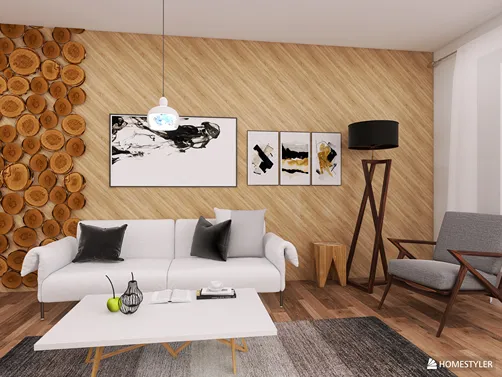
When designing a compact living room, the choice of lighting plays a crucial role in transforming the space. Utilizing recessed lighting can provide a sleek and refined aesthetic without sacrificing functionality. By thoughtfully positioning recessed lights, you can craft a warm and inviting environment while ensuring sufficient illumination for various activities. Here’s a guide to planning your recessed lighting layout effectively.
Grasping the Fundamentals of Recessed Lighting
Recessed lighting, often referred to as can lights or pot lights, consists of fixtures that are embedded within the ceiling, offering a contemporary appearance. These lights serve multiple functions, including general illumination, task lighting, and accent lighting. To create a well-thought-out lighting layout in your living room, keep the following points in mind:
Start by determining the primary activities taking place in your living room. Do you require ambient lighting for relaxation, task lighting for reading, or accent lighting to showcase your artwork? Understanding each function will help inform your decisions regarding light placement.
A helpful guideline is to space recessed lights approximately 4 to 6 feet apart. This spacing will promote even light distribution and minimize harsh shadows. If your room has higher ceilings, consider extending this spacing slightly for optimal results.
Essential Placement Strategies
Here are some important areas to concentrate on when arranging recessed lighting in your living room:
Position recessed lights centrally within the room to provide overall illumination. This will create a brightly lit foundation for your living space and enhance its appeal.
Install recessed lights over seating arrangements like sofas and chairs to foster a cozy atmosphere. This is particularly significant if you enjoy reading or working in your living room, as it ensures adequate task lighting.
Utilize recessed lighting to accentuate architectural features, artwork, or decorative elements throughout your living room. Angling these lights slightly can amplify their visual impact.
Don’t overlook the corners of your living room. Incorporating recessed lights in these spaces can eliminate shadows and contribute to a more expansive and open feel.
Dimmers and Control Considerations
Implementing dimmer switches can significantly enhance your lighting arrangement by allowing you to modify brightness levels based on your activities or mood. This adaptability is particularly advantageous in multifunctional spaces like living rooms.
In Summary
By meticulously planning the arrangement of recessed lighting in your living room, you can dramatically improve both the atmosphere and functionality of the area. Always take into account the intended use of the lighting, the necessary spacing, and optimal placement for the best results. To streamline your design process, consider using tools such as Homestyler for a more visual approach to your lighting layout.
Frequently Asked Questions
Q: How many recessed lights should I install in my living room? A: A typical suggestion is to include one recessed light for every 4-6 square feet of space to achieve adequate ambient lighting.
Q: Is it possible to combine recessed lights with other lighting types? A: Definitely! Mixing recessed lighting with floor lamps, table lamps, or pendant lights can create a multi-dimensional lighting effect that adds depth and character to your room.
Welcome to the leading home remodeling software, Homestyler!