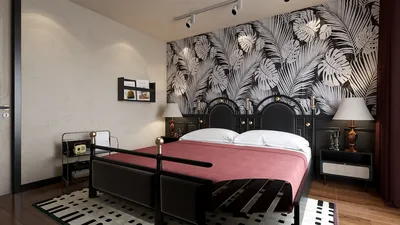


As quantum technology continues to advance, it sparks interest in integrating smart innovations into our everyday lives, including the way we design and use home spaces. Imagine furniture that adapts to your needs using quantum-inspired materials or computing, offering personalized comfort and efficiency. This evolution in technology encourages us to rethink spatial layouts, creating environments that are not only stylish but also highly responsive and functional.
To enhance a retail store's layout in order to boost sales and improve customer circulation, it is essential for retailers to establish clear pathways, strategically showcase high-margin items, and compartmentalize the store into meaningful zones. An intelligently designed layout naturally guides shoppers through the merchandise while minimizing bottlenecks and increasing product visibility.
Retail operations that combine thoughtful traffic flow management, effective zoning, and data-informed product placement often experience increased browsing duration and greater average purchase amounts.
Introduction
From numerous retail ventures ranging from boutique apparel outlets in LA to medium-sized lifestyle chains, a consistent lesson is that highly successful stores rarely achieve their results by chance. Their profitability is largely due to meticulously optimized store layouts.
Many store proprietors emphasize selecting merchandise and brand identity but frequently overlook how profoundly the layout influences buying habits. The reality is straightforward: if customers don't naturally traverse the store, they won't engage with most of your products.
When initiating a space redesign, I often recommend utilizing a visual planning process akin to mapping a full floor plan using advanced tools like Homestyler. Visualizing circulation routes and display areas early on helps prevent costly design errors down the line.
Throughout this guide, I will outline the layout optimization techniques employed by professional retail designers to smooth traffic flow, maximize product exposure, and drive higher sales.
The Link Between Store Layout and Sales Performance
Critical Insight: Retail layouts have a direct impact on buying behavior by determining how many products customers encounter while shopping.
In almost every retail design project I've been involved with, simply improving the layout has increased product visibility before altering any merchandise. Shoppers were exposed to more options.
Academic research on shopper behavior from the University of Washington indicates that customers seldom explore every aisle without intuitive layout cues. Most follow natural paths shaped by lighting, sightlines, and corridor arrangements.
Three layout elements consistently affect sales:
Stores excelling in these areas generally experience:
A prevalent error I observe is overcrowding the floor with excessive fixtures. Paradoxically, more displays often deter sales because customers feel cramped and move hastily through the space.
Effective Traffic Flow Patterns in Retail Environments
Important Finding: Top-performing retail stores create predictable customer circulation without making the layout feel restrictive.
Retail designers frequently discuss the "decompression zone"—the initial 5 to 10 feet beyond the entrance where shoppers acclimate. Positioning key products here often underperforms because customers tend to walk past.
Rather, successful designs lead visitors onto a primary circulation loop.
Typical retail traffic arrangements include:
For many mid-sized spaces, I suggest beginning with a loop path and structuring departments around that route.
Retailers experimenting with different layouts benefit from using visual planning software like Homestyler before construction. Digitally adjusting aisles and display islands reveals congestion issues early, allowing informed changes.
Product Placement Approaches to Boost Conversion Rates
Key Insight: Strategically placing products uplifts sales by positioning high-margin items where customers naturally focus.
A counterintuitive truth in retail layout is that best-selling products shouldn't always be stationed right at the entrance.
Customers who acquire their main purchase immediately tend to head straight to checkout, reducing exposure to other merchandise.
Experienced planners often position:
A common product placement hierarchy follows this order:
Major brands such as Target and Sephora structure displays around these principles to consistently enhance conversion rates.
Effective Zoning Methods in Professional Floor Planning
Insight: Zoning enhances navigation by grouping related products into clear sections.
Many retailers underestimate how overwhelming a store can feel to first-time visitors. Clear zoning alleviates this confusion immediately.
Professional planners commonly split spaces into five primary zones:
This zoning mirrors the psychological shopping journey: orientation, exploration, decision-making, and purchase.
Recently, designers increasingly utilize layout simulations, similar to AI-assisted retail space planning, to evaluate zoning effects on customer flow before physical modifications are made.
Summary of Effective Retail Store Layouts
The most efficient retail store designs integrate three key components: transparent customer pathways, organized product zoning, and strategic merchandise placement. When combined, these elements encourage shoppers to explore more items and linger longer in-store.
Balancing Visual Appeal with Spatial Efficiency
Critical Point: Optimal layouts harmonize attractive merchandising with enough open space to allow comfortable movement.
A frequent yet concealed pitfall is sacrificing circulation space for denser displays.
In practice, cramped environments decrease browsing time and make customers feel hurried.
A commonly followed design rule is:
Upscale retailers intentionally preserve more open areas because spaciousness promotes slower browsing and elevates perceived product worth.
Measuring Floor Plan Effectiveness
Key Insight: Layout effectiveness must be gauged via actual customer behavior rather than mere visual appeal.
Retailers who consistently improve their layouts depend on measurable data.
Typical performance indicators include:
Many modern stores deploy sensors on ceilings or analyze POS data to track traffic flow and adjust layouts accordingly.
A notable observation is that minor layout adjustments—such as repositioning a promotional display slightly closer to the main traffic route—can significantly enhance product engagement.
In Closing
Frequently Asked Questions
What is the best retail store layout to maximize sales?
Loop or racetrack designs often increase product visibility and browsing time, thereby improving total sales.
How does store layout impact customer behavior?
Layouts guide movement patterns, control product visibility, and shape how shoppers discover merchandise throughout the store.
What does retail layout optimization involve?
It entails designing store floor plans to improve customer flow, product exposure, and enhance purchasing behavior.
What is the recommended width for retail aisles?
Primary aisles typically range from 5 to 8 feet wide, with secondary aisles between 3 and 5 feet depending on overall store size.
What is zoning in retail design?
Zoning partitions the store into distinct sections, helping customers orient themselves and navigate product categories with ease.
How do retailers assess traffic flow within stores?
They utilize sensors, heatmaps, and sales data from POS systems to monitor shopper movements and identify high-traffic zones.
Can smaller stores effectively optimize their layouts?
Absolutely. Even compact stores can improve customer flow, simplify navigation, and prioritize high-margin products to optimize performance.
How frequently should retail layouts be updated?
Many retailers revamp layouts seasonally or following analysis of promotional outcomes and new product launches.
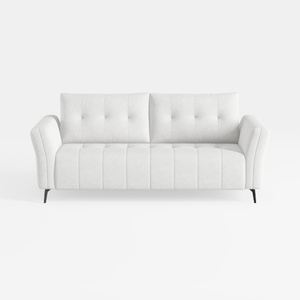
Minimalist Fabric Tufted Loveseat Sofa with Black Metal Legs 3D Model


Modern Marble Top Black Metal Leg Coffee Table 3D Model

Minimalist White Fabric L Shaped Sectional Sofa with Throw Pillows 3D Model
Homestyler offers an easy-to-use online home design tool with stunning 3D rendering, a vast collection of interior projects, and helpful DIY video tutorials. It's perfect for turning your design ideas into realistic, inspiring spaces—all in one platform.
Projete agora para LIVRE
































