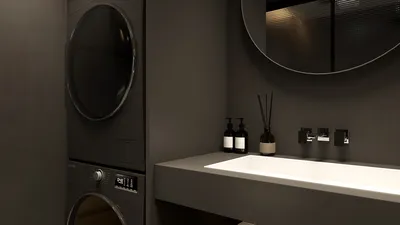


Direct Answer
Placing a countertop above a washing machine can be safe if vibration, proper structural support, and moisture resistance are carefully addressed. Many countertop failures in laundry areas occur because vibration from the washer is overlooked and spans lack adequate support. Ensuring correct bracing, anchoring into studs, and using moisture-resistant materials are essential for durability.
Quick Takeaways
Introduction
Installing a countertop over a washer and dryer remains a popular way to maximize folding space in contemporary homes. However, based on numerous laundry remodel experiences, neglecting structural details can lead to problems. The most common question is whether it's safe to mount a countertop above these appliances.
The answer is yes—but only when the issues of vibration, span lengths, and fastening points are treated with careful design considerations rather than just aesthetic enhancements.
A frequent error is mounting a floating countertop that appears sturdy initially but loosens over time because of continual washer vibrations. Using design tools like Homestyler to plan appliance clearances and countertop spans ahead of installation helps avert unrealistic spans and layout mistakes.
This article explores critical structural risks involved in laundry room countertop setups, such as damage from vibrations, failure of anchoring systems, and moisture-related deterioration that many guides overlook.
save pin
Why Washer Vibration Impacts Countertop Stability
Insight: The constant shaking of washers leads to micro-movements that gradually loosen fasteners and countertop supports.
Even newer front-loading washers exert substantial side-to-side forces during spin cycles, causing stress on cabinets and brackets above.
Inspections of various renovations revealed solid countertops, but the screws attaching brackets slowly worked loose from drywall anchors due to vibration.
Common vibration-related effects include:
Manufacturers such as Whirlpool and LG indicate that spin speeds often exceed 1,000 RPM, which makes unsupported floating countertops above washers far more at risk compared to those in kitchens.
Structural Hazards of Unsupported Countertop Spans
Insight: Installers often underestimate the weight of stone materials, leading to failures in long spans over laundry appliances.
Quartz and granite slabs typically weigh between 18 and 25 pounds per square foot. Without mid-span support bridging the gap over washers and dryers, the weight induces sagging from gravity over time.
Recommended span limits include:
Exceeding these limits causes gradual dips that homeowners often notice months after installation.
Effective planning with 3D tools like Homestyler allows visualization of appliance spacing and countertop supports, helping identify structural gaps prior to building.
save pin
Risks of Wall Anchor and Stud Failures
Insight: Countertops above washing machines must be secured into wall studs rather than relying on drywall anchors.
Drywall anchors handle static loads but vibrational forces from washers convert these to dynamic loads that dramatically increase mounting point stress.
Frequent installation errors include:
Optimal fastening uses brackets anchored into two or three wall studs, virtually eliminating vibration-related loosening.
save pin
Moisture and Humidity Effects in Laundry Areas
Insight: Humidity in laundry rooms can slowly degrade countertop support materials.
Compared to kitchens, laundry spaces often experience unseen humidity surges due to dryers and plumbing, causing damage to MDF or particleboard supports over time.
Materials recommended for moisture resistance include:
Often-failing materials include:
In several cases, countertops remained intact while underlying support boards swelled and failed from moisture exposure.
Answer Box
The primary challenges when installing countertops above washing machines are vibration loosening fasteners, unsupported span sagging, and moisture-induced material weakening. Securing brackets into studs and limiting countertop spans prevent most issues.
Safe Installation Guidelines for Long-Lasting Stability
Insight: Achieving durability requires combining vibration isolation techniques, strong structural backing, and moisture-resistant components.
Based on many laundry countertop installations, a consistent set of practices prevents common problems.
Effective installation steps include:
Homeowners often use Homestyler to create realistic interior renderings of their laundry spaces, confirming bracket placements and clearances before construction begins.
save pin
Post-Installation Inspection Checklist
Insight: Conducting a structural review after installation uncovers early signs of countertop movement and potential failures.
After the washer cycles for a while, inspect the countertop mounting closely.
Important post-installation checks are:
If any movement is detected early, adding a central support leg or reinforcing brackets typically resolves the problem quickly.
Final Summary
FAQ
Is it safe to install a countertop above washer and dryer appliances?
Yes, provided the countertop is adequately supported, fastened into studs, and the span between appliances is reinforced properly.
What causes countertop vibration issues in laundry rooms?
High-speed spin cycles generate vibrations that can loosen screws, move brackets, or stress unsupported countertops.
How much support is necessary for laundry countertops?
Countertops generally require brackets spaced every 24–32 inches and must be anchored into studs for heavy surfaces.
Can quartz countertops break over washers?
They can if the span exceeds safe limits or lack proper underlying support.
Do anti-vibration pads protect countertops?
Yes, these pads minimize washer motion and help keep countertops stable over time.
Which materials are best for laundry countertop supports?
Marine-grade plywood or metal brackets resist humidity better in laundry environments.
How can countertop movement over washer/dryer setups be prevented?
Using stud-mounted brackets, reinforcing extended spans, and placing vibration pads under washers are effective methods.
What are typical installation mistakes in laundry countertop projects?
Common errors include relying on drywall anchors, omitting center supports, ignoring humidity effects, and surpassing safe span recommendations.

Portable Clothes Dryer, Front Load Compact Laundry

TABU 3.5 Cu. Ft Compact Dryer, 1500W Portable

INTERGREAT Portable Washing Machine, 16lbs Mini
Homestyler offers an easy-to-use online home design tool with stunning 3D renderings, a vast collection of interior projects, and helpful DIY video tutorials—making it perfect for anyone looking to create and visualize their dream space effortlessly.
Projete agora para LIVRE
































