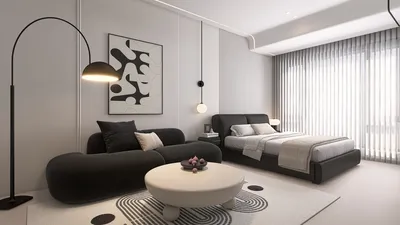


Direct Answer
Interior designers approach the layout of small living rooms by adhering to spacing principles that facilitate movement, maintain furniture proportion, and avoid overcrowding visually. Typically, designers allocate 30–36 inches for pathways, 14–18 inches between seating and coffee tables, and carefully size sofas to fit the room’s width.
Following these spacing guidelines ensures small living rooms are both practical and can accommodate the necessary seating comfortably.
Quick Takeaways
Introduction
A common issue observed in many client homes is not the size of the furniture but rather ineffective space planning. After designing numerous compact city apartments, I've found that respecting spacing standards makes small living rooms feel spacious, whereas neglect leads to cramped conditions.
In small space interior design, the focus shifts from merely fitting furniture to managing the invisible gaps—like walkways, table spacing, and seating angles—that influence the room’s flow and comfort.
Using tools such as Homestyler for visual floor planning allows homeowners to adjust layouts, often realizing that a slight modification in spacing can significantly enhance room functionality.
This article will outline expert-approved spacing techniques used by designers, covering furniture sizing, sofa dimensions, and often overlooked compromises found in many online guides.
save pin
Standard Furniture Spacing Guidelines Adopted by Designers
Key Insight: Consistent spatial guidelines help make rooms feel comfortable and easy to navigate, especially in limited spaces.
Professional designers typically refer to ergonomic recommendations from bodies such as the American Society of Interior Designers and the NKBA when laying out residential interiors. These parameters serve as flexible benchmarks rather than rigid rules.
Commonly used clearances in small living rooms include:
One frequent error found online is suggesting oversized "open" spacing, which wastes valuable square footage in compact homes. Seasoned designers often slightly condense these measurements while preserving usability.
Recommended Clearance Around Sofas and Tables
Key Insight: The space surrounding sofas plays a crucial role in whether a living room feels practical or hindered by obstructions.
Clearance planning focuses on two main areas: movement zones (pathways people walk through) and interaction zones (spaces between furniture intended for use together).
Recommended clearances include:
A subtle design misstep is placing sofas flush against every wall; many professionals position sofas a few inches away to establish a gentle circulation path behind them.
save pin
Furniture Proportion Guidelines for Small Living Rooms
Key Insight: The size of furniture should correspond with wall length and ceiling height, rather than only floor dimensions.
When furniture feels oversized in a compact room, the problem usually lies in poor proportion instead of absolute size.
Designers frequently follow these proportional rules:
This method maintains a balanced visual weight. A collection of large pieces can make a space feel cramped, even if walking paths technically fit.
Many professionals test these proportions initially using 3D floor plan tools like Homestyler before finalizing furniture selections.
How Designers Balance Seating and Walkways
Key Insight: The ideal small living rooms prioritize clear circulation routes first, then arrange seating accordingly.
Homeowners often attempt to maximize seating immediately, which can lead to overcrowding. Designers invert this approach.
Typical layout sequence:
In smaller dwellings, designers often reduce chairs and opt for modular seating or moveable ottomans to increase flexibility.
save pin
Common Sofa Sizes for Compact Homes
Key Insight: Sofas designed for apartments tend to be narrower and shallower than those intended for larger houses.
Many retailers focus on sofas suited for spacious homes, which can overwhelm small living rooms.
Chosen dimensions often include:
Oversized sofas risk obstructing movement. If people have to squeeze past furniture, circulation is compromised.
Applying Professional Space Planning to Dual-Sofa Arrangements
Key Insight: Two-sofa setups are feasible in small rooms only when furniture scale and spacing are precisely managed.
Designers commonly configure two sofas in parallel or L-shaped patterns within compact environments.
Popular dual-sofa layout tactics:
Before finalizing this setup, many homeowners use free visual room planners like Homestyler to evaluate clearance and flow.
save pin
Answer Box
The paramount rule in small living room interior design is maintaining adequate clearance. Designers typically allow 30–36 inches for pathways and 14–18 inches between seating and tables. Achieving proper spacing improves comfort more than merely choosing smaller furniture.
Final Summary
FAQ
What is the minimum walkway width in a small living room?
Most guidelines recommend a minimum of 30 inches for walkways, with 36 inches providing greater comfort when space permits.
How far should a coffee table be placed from a sofa?
Expert recommendations advise keeping coffee tables 14–18 inches away from sofa edges for easy access.
What sofa size works best in small living rooms?
Apartment-friendly sofas typically measure between 72 and 84 inches wide to maintain smooth circulation.
Is it possible to have two sofas in a small living room?
Yes, provided that furniture proportions and pathways are carefully planned to keep movement clear.
How much room should exist behind a sofa?
Designers generally allocate 24–30 inches behind sofas when this area doubles as a walking path.
Why do small living rooms feel crowded despite using small furniture?
The root cause is often inadequate spacing. Without sufficient clearance, even compact furnishings can obstruct easy movement.
What is the most common space planning error in small living rooms?
Placing oversized sofas against all walls often eliminates circulation space, making the room feel more confined.
Are sectionals suitable for small living rooms?
Smaller sectionals can work well if they remain under approximately 100 inches wide and preserve essential walkway space around them.
References
American Society of Interior Designers Residential Design Guidelines
National Kitchen and Bath Association Planning Standards
Time Saver Standards for Interior Design and Space Planning
GarveeHome 6 Drawer Dresser for Bedroom, Antique

Minimalist Boucle Fabric Sofa Modern Tufted Living Room 3D Model

Modern Walnut Glass Top Triangle Coffee Table 3D Model
Homestyler offers an easy-to-use online design tool with stunning 3D renderings, inspiring design projects, and helpful DIY video tutorials. It’s perfect for anyone wanting to create and visualize beautiful home interiors effortlessly.
Projete agora para LIVRE
































