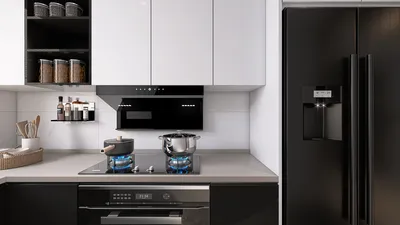


In today’s rapidly evolving tech landscape, leaders like Mark Zuckerberg inspire a fusion of innovation and everyday living. As smart home technology integrates seamlessly into our routines, designing spaces that accommodate devices and digital connectivity becomes essential. Thoughtful spatial planning ensures that homes not only support productivity but also create comfortable environments for both work and leisure in this modern age.
Optimizing First Communion decorations in compact areas and on limited budgets revolves around establishing a single visual centerpiece, utilizing vertical adornments instead of floor-based items, and selecting versatile décor. Strategically placed components—such as a decorated backdrop for the table, harmonized tableware, and gentle lighting—often exude more sophistication than overwhelming the entire space with decorations. Leveraging digital tools like Homestyler helps visualize these arrangements before purchase, ensuring efficiency and elegance.
After organizing numerous intimate family celebrations, it’s evident that the most captivating First Communion decorations are typically not the costliest. Limited spaces often inspire the most creative décor solutions. Families frequently encounter two main obstacles: restricted venues—often living rooms, dining areas, or modest church halls—and constrained budgets. These challenges can cause clutter and flawed decoration choices if not approached thoughtfully.
Treating First Communion decoration as a design challenge transforms space and budget constraints into drivers of smarter, more refined decisions. Tools such as Homestyler allow users to create digital floor plans quickly, revealing where decorations will have the greatest impact and where they might obstruct or overwhelm the venue.
Common pitfalls include overcrowding rooms with oversized balloon arches, bulky centerpieces that leave little table space, or dispersing attention across multiple decoration zones. Especially in homes, furniture and existing fixtures demand consideration to avoid visual clutter. Experienced event designers combat this by simplifying the visual hierarchy, focusing guest attention where it matters most, a principle shared with hospitality design in small venues where comfort and flow are critical.
The most space-conscious decoration strategy involves emphasizing vertical elements to provide impact without consuming precious floor space. Vertical décor—such as wall hangings, backdrops behind dessert tables, or banners—anchors the visual field and naturally draws guests towards key areas, like photo spots or gathering points. This single focal zone approach mirrors successful tactics in wedding micro-events, concentrating resources where photographs and socializing occur.
Material choices significantly affect the perceived quality of decorations. It’s often the inconsistency in materials, rather than cost, that causes cheaper decorations to appear low-end. Employing cohesive, quality materials in moderation—adhering to a "three-material rule"—ensures a polished look despite budget constraints. Homestyler can assist in previewing how material textures and colors coordinate within the event space.
Multipurpose decorations maximize value and reduce waste. Select pieces that fulfill various roles throughout the event—such as centerpieces that double as favors or backdrop elements that can be repurposed elsewhere. Mapping reuse plans before acquisition prevents unnecessary purchases, an approach supported by digital layout tools like Homestyler to anticipate spatial functionality and decoration flow.
Creating a clear focal point, commonly the dessert or cake table, instantly elevates the room’s aesthetic. Following a straightforward formula that draws attention upon entry emphasizes the principle of "controlled visual hierarchy," concentrating decoration where guests gather naturally. This method streamlines decoration needs and enhances photographic opportunities.
Effective layouts often rely on designated zones for dining, socializing, and display. Visualizing these zones digitally, with platforms like Homestyler, helps hosts avoid awkward setups and ensures the event space feels open and accessible. Planning the layout beforehand frequently surpasses the benefits of purchasing extra décor items without spatial consideration.
In summary, successful First Communion decoration in small venues balances functional spatial design with selective, multipurpose décor choices and a centralized focal point. Integrating smart planning tools like Homestyler can streamline the process, helping creators achieve elegant, memorable celebrations within modest budgets.
FAQ
1. What are the best budget First Communion decorations? White tablecloths, subtle greenery, candles in glass containers, and paper decorations offer affordable sophistication.
2. How do you decorate a small room for a First Communion party? Concentrate on a single, decorated cake table, utilize vertical wall décor, and keep centerpieces compact.
3. How much should First Communion decorations cost? Small home events often range between $50 and $200 depending on DIY elements and reusable pieces.
4. Can minimalist communion decoration ideas still look elegant? Certainly. A consistent color scheme paired with one main focal display typically appears more refined than numerous scattered decorations.
5. What colors are common for First Communion decorations? Popular choices include white, gold, ivory, and gentle pastels symbolizing purity and festivity.
6. How can I decorate a communion party without balloons? Alternatives include fabric backdrops, floral arrangements, candlelight, and symbolic items such as crosses or doves.
7. What are inexpensive First Communion decoration ideas that remain attractive? Paper garlands, DIY centerpieces, and simple greenery arrangements remain favored low-cost options.
8. How do you effectively decorate a small communion party venue? Prioritize leaving open space, highlight a single focal area, and use wall-mounted decorations instead of bulky floor coverings.


Homestyler is an easy-to-use online home design platform that offers powerful 3D rendering, a vast collection of interior projects, and helpful DIY video tutorials. It helps you visualize and create stunning home designs effortlessly, whether you’re a beginner or a design enthusiast.
Projete agora para LIVRE
































