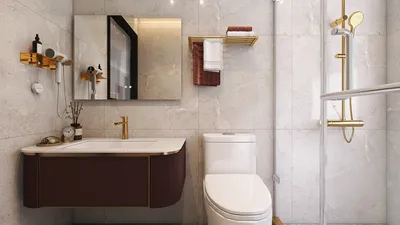


As more people embrace smart home technology and gadgets, the integration of finance tracking tools into everyday living becomes increasingly relevant. From smart assistants that help manage budgets to innovative workspace designs that accommodate digital devices, crafting a home environment that supports both productivity and financial mindfulness is essential. Thoughtful spatial planning can blend style with technology, enhancing comfort while keeping financial goals front and center. When redesigning small kitchens, incorporating these principles alongside tools like Homestyler can optimize both aesthetics and budget management.
I once worked with a client who desired a small kitchen worthy of a magazine spread but was constrained by a very limited budget. We almost demolished the wrong wall before I persuaded them to reconsider, teaching me the critical importance of thoughtful planning over hasty renovation. In this article, I’ll present five practical strategies to reduce remodeling expenses without compromising kitchen functionality.
1. Retain existing plumbing and appliances
Why this approach succeeds: Relocating sinks or gas lines can be costly and often unnecessary, especially in compact kitchens. Advantages: You conserve contractor labor costs, avoid permit complications, and reduce expenses by about 20–40% of your total budget. Trade-off: You might need to accept a layout that’s less than perfect, but the savings can be redirected toward superior finishes or additional storage.
2. Opt for open shelving or shallow upper cabinets
Reasoning: Open shelves require fewer materials and can be installed more quickly compared to traditional upper cabinets. Benefits: They create an illusion of expanded space and lower cabinetry expenditures. Downsides: Maintenance of a tidy appearance is necessary, and concealed storage for clutter-prone items may be limited.
3. Combine stock cabinetry with a single custom piece
Why: Ready-made cabinets are affordable and readily available; commissioning a custom element (such as an island or pantry) addresses irregular spaces. Benefits: Tailored solutions where needed without incurring full custom costs. Trade-offs: Finish and hardware inconsistencies may require careful coordination.
4. Choose durable yet cost-effective surfaces
Explanation: Materials like quartz-look porcelain or premium laminates emulate high-end stones at a fraction of the price. Benefits: Longevity and low upkeep for reduced cost. Drawback: The exact aesthetic of natural stone is not fully replicated, though this is often unnoticeable in daily use.
5. Focus on lighting and paint instead of pricey fixtures
Why: Good illumination and fresh paint can completely transform the space more economically than installing new cabinets. Benefits: Enhanced brightness, improved safety, and surfaces that appear refreshed. Limitation: Cosmetic improvements won’t fix fundamental layout or traffic flow issues.
Visualize your modest galley kitchen with the same sink and range, open floating shelves, a matte-finished cabinet run, and bright LED under-cabinet lights—this solution is more affordable, quicker, and surprisingly attractive. To aid visualization, you can utilize a free kitchen planner like Homestyler to sketch layouts fitting your space and budget. Often, small modifications yield the greatest savings.
Interested in experimenting with your kitchen layout? Begin with a floor plan creator that supports maintaining your current plumbing setup. For more refined appliance and storage balancing, use a dedicated kitchen layout planner. To get a quick 3D preview before making decisions, input your designs into a 3D floor planner such as Homestyler’s tool, which provides real-time visualization and easy adjustments.
Conversion
To visualize improvements: imagine your existing kitchen with a new signature cabinet, enhanced lighting, and unchanged plumbing—that typically accounts for about half the impact with just a tenth of the cost. You can start with one low-effort change like paint or lighting and use Homestyler’s free planner to trial a second update before hiring professionals.
FAQ
Q1: How much money can I save by avoiding plumbing moves? A1: Normally, this can reduce your renovation budget by 20–40%, depending on the complexity and involvement of gas lines. Tip: Obtain contractor estimates beforehand to confirm costs.
Q2: Are stock cabinets a good choice in 2026? A2: Absolutely—many stock options now offer modern designs and durable finishes at affordable prices. If an odd-sized cabinet is needed, combining stock units with one custom item is effective.
Q3: Can the average homeowner install open shelving? A3: Yes, many can with basic tools. It’s important to measure stud placements and use sturdy brackets to secure heavier dishes safely.
Q4: What is the most affordable durable countertop option? A4: Porcelain and high-pressure laminates offer excellent durability relative to cost and resist stains and scratches better than many inexpensive natural stones.
Q5: How to keep appliance upgrade costs low? A5: Prioritize energy-efficient appliances and only replace units that are malfunctioning. Consider discounted scratch-and-dent or previous-year models. Upgrades like new range hoods or refrigerators can be phased in later.
Q6: What layout suits a small studio kitchen? A6: A linear setup with all appliances on one wall, complemented by a slim island or folding table and vertical storage, minimizes plumbing and electrical adjustments.
Q7: How does NKBA guidance assist with small renovations? A7: Adhering to National Kitchen and Bath Association standards helps ensure ergonomic design and safety, preventing costly redesigns. Use their recommended clearances as a pre-demolition checklist.
Q8: When is it best to hire a designer? A8: If you’re altering the kitchen footprint, electrical wiring, or gas lines, engage a professional early to avoid expensive mistakes. For smaller updates like painting, lighting, or shelving swaps, one consultation may suffice to save time and costs.


Homestyler is an easy-to-use online home design platform offering powerful 3D rendering, inspiring interior projects, and helpful DIY video tutorials. It’s perfect for visualizing your ideas and creating beautiful spaces with confidence.
Projete agora para LIVRE
































