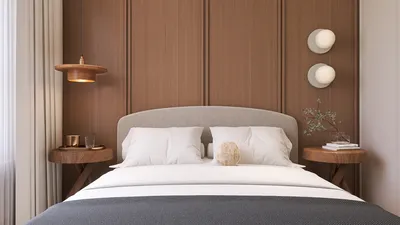


After installing an oversized chandelier in a client's cozy dining nook, I quickly realized that while drama might be stylish, scale is crucial. The chandelier dominated the space, leading to laughter from the client, and a valuable lesson learned: effectively utilizing small spaces requires creativity and careful consideration. This principle makes American lighting design for compact homes an exciting venture.
1. Layered lighting for depth
To achieve a sense of depth in small rooms, I always suggest combining various types of lighting—ambient, task, and accent. A recessed ceiling wash enhances overall brightness, while a slender pendant lamp above a table gives focused task lighting. Adjustable wall washers or picture lights can add extra visual appeal. The benefit is a versatile, mood-enhancing atmosphere, though careful planning of circuits is necessary to avoid illuminating multiple fixtures simultaneously.
save pin
2. Slim-profile fixtures with significant impact
Many American apartments feature low ceilings, making flush-mount or ultra-slim linear LED fixtures an excellent choice. They provide a contemporary aesthetic without infringing on vertical space. For instance, I installed a linear LED above a galley kitchen, which made the countertop appear longer; although they lack the sculptural appeal of larger pendants, they offer practicality and energy efficiency. Homestyler can be an invaluable tool here to visualize different fixture options.
save pin
3. Smart lighting for convenient small-home living
Utilizing smart bulbs and scenes allows for instantaneous ambiance changes, which is beneficial when needing distinct lighting for cooking versus relaxation. For clients, I often set up specific scenes like 'dinner' and 'movie,' which they greatly appreciate. While it's essential to check compatibility and potential connectivity issues, the overall convenience and customization of smart lighting are significant advantages.
save pin
4. Statement sconces to optimize floor space
In areas where floor and table space are at a premium, wall-mounted sconces shine as small-room champions. They free up surfaces, frame beds or seating areas, and offer directional lighting ideal for reading. I once recommended swing-arm sconces for a couple in a narrow bedroom, providing instant bedside lighting while avoiding clutter on nightstands. The key to success here is ensuring adequate wall support and planning the wiring effectively.
save pin
5. Warm lighting and layered colors
Current trends in American lighting often favor warm white temperatures in living spaces to create a cozy environment; blending warm ambient light with slightly cooler task lighting can enhance functionality without a sterile feel. Typically, I target a hue of 2700K–3000K for living spaces and 3000K–4000K for work zones. Such details significantly contribute to overall warmth, as consistency prevents mismatched color temperatures.
save pin
Tips 1:
To experiment with layouts quickly in a small room, I sometimes sketch lighting placements over a basic plan and test them within a single evening. If you’re keen on a visual approach, tools like Homestyler's 3D floor planner can help visualize fixture sizing and shadows during the initial design stages.
save pin
FAQ
Q: What is the ideal light color temperature for living rooms?
A: I typically recommend a range of 2700K–3000K to foster a warm and welcoming atmosphere, enhancing skin tones and harmonizing with cozy materials.
Q: How many layers of lighting are optimal for a small room?
A: Strive for at least three lighting layers: ambient, task, and accent, to ensure a flexible and well-lit environment without excessive brightness.
Q: Are smart lights worthwhile in small homes?
A: Definitely, as they provide convenience and scene customization, especially when traditional switches are lacking; just ensure you check hub and ecosystem compatibility first.
Q: Can wall sconces provide sufficient illumination for a workspace?
A: When placed correctly, swing-arm sconces can serve as excellent task lights, especially when paired with ambient lighting for adequate overall illumination.
Q: How can I determine the right fixture scale for low ceilings?
A: Opt for flush or semi-flush fixtures and slim linear LEDs; keep pendants small and positioned close to the ceiling to prevent a cramped feeling in the room.
Q: What about energy efficiency? (source: U.S. Department of Energy)
A: The use of LED lighting markedly diminishes energy consumption and maintenance. The U.S. Department of Energy indicates that LEDs use about 75% less energy and have a lifespan 25 times longer than traditional incandescent bulbs (https://www.energy.gov/).
Q: How can I test lighting setups before installation?
A: Utilize portable lamps and temporary clamps to experiment with positions, or create mock-ups with cardboard cutouts for pendants; this budget-friendly practice can help avoid costly mistakes down the line.
Q: Should I consider hiring a lighting designer?
A: For intricate projects or multi-room coordination, I highly recommend hiring one; however, for minor adjustments, a well-informed DIY approach can be effective with the right research into fixtures and control systems.
save pin
Homestyler is your go-to online home design platform! With its user-friendly design tool, stunning 3D renderings, a variety of design projects, and informative DIY video tutorials, you can effortlessly transform your home ideas into reality. Start designing today!
Projete agora para LIVRE
































