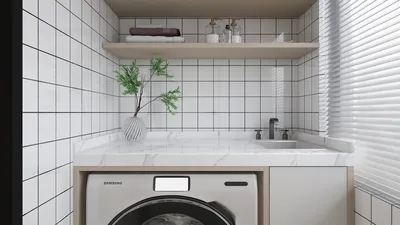


Once, a client requested a full-sized island in a 220 sq ft accessory dwelling unit (ADU). We gave it a try, but the result left barely any space to operate the oven. That experience highlighted a crucial lesson: in compact spaces, smart decisions are more vital than merely scaling down expectations. If you're contemplating a redesign of your ADU kitchen, prioritize flexible layouts. I frequently utilize Homestyler to create initial small kitchen models, helping avoid pitfalls like an oversized island.
1. Narrow Galley, Wide Functionality
I prefer a true galley layout for ADUs, as it places everything conveniently within reach while maximizing the countertop area. The efficiency of this design is unparalleled—features like hidden pull-out pantries and toe-kick drawers bring a sense of luxury to tight spaces. However, care should be taken to ensure that aisle widths remain above 36 inches to prevent a cramped feeling.
save pin
2. Multipurpose Island Options or Alternatives
A compact, mobile island with a drop leaf can transform into a dining table, a prep surface, and additional storage—all in one flexible piece. This approach is economical, but if you're willing to invest a bit more, heavier multifunctional islands can provide even greater utility. For those on a tighter budget, consider a simple fold-down table that can offer similar versatility.
save pin
3. Embrace Vertical Storage
Utilizing tall cabinets, recessed shelving, and vertical organizers enables you to store appliances and dry goods without cluttering your counters. Open upper shelves can create a sense of airiness, but be ready to either stylishly arrange or conceal items based on your preference for neatness.
save pin
4. Integrated Appliances and an Efficient Work Triangle
Opting for compact, integrated appliances helps to maintain clean sightlines and keeps surfaces looking less cluttered. I always employ 3D floor planning tools like Homestyler to test sightlines and workflow before finalizing placements to ensure the cook, fridge, and sink are conveniently positioned together. While the initial costs for these appliances may be higher, they ultimately save space and enhance daily functionality.
save pin
5. Bright, Reflective Surfaces and Seamless Materials
Light finishes, full-height backsplashes, and continuous flooring can visually amplify the size of an ADU kitchen. Additionally, mirrors or glossy finishes enhance natural light, though the latter may show smudges more readily—so it’s essential to choose materials that strike a balance between aesthetics and maintenance. I also use AI home design tools like Homestyler to experiment with color and material choices efficiently.
save pin
FAQ
Q1: What’s the most effective layout for an ADU kitchen?
A: Often, galley and L-shaped designs are the most efficient for ADUs because they optimize counter space and maintain a tight work triangle. My choices depend on entry points and sightlines.
Q2: How can I create a dining area in a compact ADU kitchen?
A: Implement a fold-down table, a slim banquette, or a mobile island; these options provide additional seating without sacrificing permanent space. Such flexible seating can adjust as circumstances change.
Q3: Are compact appliances worth the investment?
A: Definitely, especially if space is limited. Compact or integrated appliances can free up valuable counter and circulation space, enhancing usability even if the upfront costs are higher.
Q4: How much storage should I realistically plan for?
A: Strive for vertical and multifunctional solutions; a mix of deep lower cabinets, tall pantry storage, and open shelving for items used frequently is ideal. I generally advise planning for around 30-40% more storage than clients expect.
Q5: Can lighting actually make a small kitchen appear larger?
A: Absolutely—using layered lighting (task, ambient, accent) alongside reflective surfaces can enhance the perception of space. Under-cabinet lighting combined with a bright ceiling fixture can significantly improve the area’s feel.
Q6: Are there specific building code requirements for ADU kitchens?
A: Regulations can differ by location; for instance, California provides guidance on ADUs through the Department of Housing and Community Development, outlining state rules and resources for builders and owners (refer to: https://www.hcd.ca.gov/community-development/building-standards/adu.shtml). Always consult your local building department to be informed.
Q7: What budget-friendly strategies can I use to refresh my ADU kitchen?
A: Reface cabinet doors, update hardware, change the backsplash, and install under-cabinet lighting—these enhancements can create a significant visual upgrade at a reasonable cost. Where you interact with surfaces most, prioritize durability.
Q8: How do I select finishes that will endure stylistically?
A: I suggest choosing neutral, high-contrast combinations—such as warm wood or matte gray paired with a crisp white countertop. Timeless color schemes allow for easy updates of smaller elements as trends evolve.
save pin
Homestyler is an exceptional online home design platform that empowers you to create stunning spaces effortlessly. With its user-friendly design tool, impressive 3D rendering features, and a wealth of inspiring design projects and video tutorials, you can easily transform your vision into reality—perfect for both beginners and seasoned designers!
Projete agora para LIVRE
































