


Optimizing small spaces requires intelligent selection of furniture. I focus on multifunctional items that fit the scale of the room while keeping walkways clear. Research from Steelcase reveals that more than 60% of individuals face challenges with storage and spatial arrangement in limited spaces, which I frequently observe in urban apartments and compact bedrooms. According to WELL v2 guidelines, maintaining unobstructed pathways is essential for safer movement—ensuring clear routes of 36 inches minimizes the risk of trips and enhances daily functionality. When designing a small room, I keep these crucial aspects—fitting pieces efficiently and facilitating flow—at the forefront of my decisions.
The proportions of furniture can significantly influence the feel of a small area. Gensler’s workplace research connects ergonomic reach zones (20-25 inches) and visual clarity with lower cognitive strain; this principle extends to home environments as well. Choosing furnishings with sensible dimensions—like a 72 to 78-inch sofa rather than a full 90-inch model—creates a calm space instead of a cramped one. In line with color psychology insights from Verywell Mind, I intentionally select light, subdued colors (gentle grays, soft whites, pale blues) to give a sense of spaciousness. Darker tones can evoke coziness; I balance these with varying textures to maintain a layered yet light feel. For those interested in integrating layout and wellness, WELL v2 offers useful recommendations for movement and sightlines. I often refer to these guidelines to avoid expensive miscalculations.
Smart Strategies for Small Room Layouts
Before making any purchases, I outline circulation paths and focal points: entry swing, window walls, and main feature areas (like media setups or artwork). I prioritize keeping the longest sightlines open and suggest positioning furniture away from walls when feasible to prevent tunnel effects. For those experimenting with layouts, using a room planning tool such as Homestyler allows you to visualize spaces and check for adequate circulation before finalizing your choices. This interior planner is particularly beneficial for assessing sofa sizes, table clearances, and bed arrangements.
Choosing Compact and Stylish Sofas and Seating
My go-to option is a two-cushion sofa (72–78 inches wide, 34–36 inches deep) with elevated legs; this enhances the illusion of space. Opting for tight-back styles over cushy ones conserves room depth. In extremely limited areas, pairing a loveseat with a lounge chair can be more effective than a large sectional. The versatility of modular armless units allows for future additions of corners or ottomans without consuming additional floor space. Aim for varying furniture heights: include a low piece (sofa), a mid-height element (like a media console), and a taller item (like a bookcase) to create an upward visual rhythm.
Clever Choices for Coffee and Side Tables
In smaller spaces, two nesting tables are often more functional than one large coffee table; they can spread out when needed and neatly tuck away at other times. Lift-top coffee tables serve dual purposes as dining surfaces or workstation alternatives, keeping ergonomics in check. Round tables are beneficial as they ease circulation issues and minimize bumps in tight areas; they also complement rounded lighting fixtures, softening angular wall structures.
Selecting Chairs with Slim Designs and Light Frames
Opting for occasional chairs with narrow arms or armless designs keeps pathways clear. I prefer seat heights around 17-18 inches for comfort, coupled with breathable backs (like cane, mesh, or open frames) to reduce visual heaviness. A singular standout chair can substitute for two smaller ones, enabling a more curated approach that lessens clutter and decision fatigue.
Innovative Storage Solutions: Vertical, Wall-Mounted, and Multi-Functional
Emphasizing vertical space is crucial early in the process. Tall, slender cabinets and wall-mounted shelving maximize available volume that low sideboards cannot. Using closed storage below 42 inches and open shelving above helps maintain a tidy visual plane at eye level. Ottomans with internal compartments, benches with drawer space, and bed frames featuring lift-up platforms merge seating or sleep solutions with hidden storage. In petite living areas, a narrow console (12-14 inches deep) can serve as a desk with a stool tucked away.
Bedroom Must-Haves: Adjusting Bed Size and Nightstand Optimization
In particularly snug spaces, I frequently swap a queen bed for a full size—saving 8 inches can make space for balanced nightstands or easy wardrobe access. Wall-mounted nightstands prevent floor clutter. If a headboard is essential, I recommend low-profile upholstered designs in light fabrics to combat a heavy appearance. Ensure underbed drawers open easily by allowing a minimum of 24 inches of clearance on the side that's accessed most often.
Dining Solutions for Compact Spaces: Drop-Leaf and Pedestal Tables
Pedestal tables outshine traditional four-legged designs when it comes to knee space and adaptability for seating. Drop-leaf tables transition effortlessly between daily use and accommodating guests. Stackable or lightweight dining chairs enable quick adjustments. If dining alone or as a couple, a counter-height table paired with two stools tucked underneath can creatively replace a full dining set, maintaining functionality without clutter.
Designing Media Consoles and Desks: Minimal Depth and Efficient Cable Management
Look for consoles and desks with a depth of 12 to 18 inches. Place grommets or cable channels away from sightlines to minimize clutter. When possible, wall-mount screens, aligning their bottom edge with the eye level when seated (typically 42-48 inches from the floor, depending on chair height). Multi-functional desks with shallow drawers can help keep surfaces tidy and maintain a practical working environment.
Illumination: Layered, Glare-Free, and Space-Conscious
Lighting plays a vital role in how expansive a room feels. I incorporate three types: ambient (ceiling lights or uplighting), task (for reading or desk work), and accent (for art and plants). Targeting about 300-500 lux for common living areas, and approximately 500 lux for task-focused zones aligns with IES standards for residential lighting. Utilizing warm-neutral color temperatures around 2700-3000K creates a cozy atmosphere without distorting color accuracy. Wall sconces and small-footprint floor lamps can replace bulky table lights, thereby liberating surface space and preserving unobstructed views.
Acoustics and Materials: Achieving Comfort Without Adding Bulk
Hard surfaces tend to amplify sound, which can create a tense feel in smaller rooms. I incorporate area rugs with felt or rubber underlays, upholstered seating, and soft window treatments to absorb sound. For compact areas, lighter textures—like bouclé, linen blends, and cork—provide a tactile element without adding visual mass. Using sustainable materials (like FSC-certified wood and low-VOC finishes) helps decrease indoor air pollutants, aligning with WELL v2 standards for air quality.
Understanding Color Psychology in Small Rooms
While light neutral shades are dependable space-expanders, don’t shy away from contrast. A single, bold accent color—such as navy, charcoal, or forest green—behind key pieces like sofas or beds adds depth without constricting the space, provided adjacent surfaces remain light. According to insights from Verywell Mind, hues of blue and green promote a sense of calm and focus; I often utilize these colors in textiles or as accent walls to establish the desired ambiance. Keep patterns subtle to maintain a serene atmosphere.
Balancing Spatial Ratios for Visual Harmony
Maintain a balance between mass and void. A 60/40 ratio of open floor space to furniture creates a sense of generosity in small rooms. Vary the heights and depths of furniture—pair a low sofa with a taller bookcase and match a slim desk with a light chair. Aligning edges with architectural features (like window sills and door heads) ensures a cohesive appearance that feels intentional rather than haphazardly arranged.
Practical Layout Tips for Tight Areas
- Position the sofa 4-6 inches from the wall to create depth and shadow effects.
- Utilize a rug that fits under the front legs of seating pieces to unify the space.
- Ensure main walkways measure around 36 inches, while secondary paths can be reduced to 24-28 inches.
- Opt for furniture with visible legs instead of lower-skirted designs to enhance lightness.
- Use mirrors judiciously—a single, well-placed mirror is more effective than multiple small ones.
Avoid These Common Mistakes
- Using oversized sofas or beds and compensating with too many little accessories.
- Overlooking effective cable management, which can lead to clutter.
- Purchasing storage solutions before identifying storage needs.
- Relying solely on overhead lighting; flat illumination can make a room feel smaller.
- Blocking windows with tall, solid furniture.
Frequently Asked Questions
Q1: What are the best sofa dimensions for a small living room?
A: I generally recommend 72 to 78 inches in width and 34 to 36 inches in depth. Tight-back styles conserve space, and elevated legs enhance the sense of openness.
Q2: What clearance should I provide around my bed?
A: It's advisable to maintain 24 inches of clearance on at least one side for daily access; 30 to 36 inches is optimal along main paths. These measurements correspond with common ergonomic comfort guidelines.
Q3: Are sectionals suitable for smaller rooms?
A: Yes—compact, modular sectionals with chaises can be effective, as long as they don’t obstruct movement. Use a layout simulator to explore configurations prior to purchase.
Q4: What lighting levels should I aim for?
A: Aim for 300-500 lux for ambient lighting in living areas and about 500 lux for workspaces, in accordance with IES recommendations. Warm-neutral 2700-3000K bulbs help maintain a welcoming atmosphere.
Q5: Which dining table shapes optimize space?
A: Pedestal round tables or small drop-leaf rectangles are most space-efficient. Pedestal designs enhance legroom and flexibility, whereas drop-leaf tables adapt to guest requirements.
Q6: How can I maximize storage without crowding?
A: Opt for vertical storage options: consider floating shelves, tall narrow cabinets, and lift-top ottomans. Position closed storage low and open storage high to keep sightlines clear.
Q7: What colors contribute to a spacious feel in small rooms?
A: Light, muted tones enhance the perception of space. Pairing these with a bold accent color can add depth. Blues and greens yield calming effects, ideally suited for bedrooms and workspaces.
Q8: How can I minimize noise in a small living room?
A: Utilizing rugs with underlays, upholstering furniture, and opting for fabric window treatments can absorb sound and create a peaceful environment while maintaining visual lightness.
Q9: Is a lift-top coffee table a worthwhile investment?
A: Yes, especially in compact spaces. It provides flexible use as a workspace or dining area, enhances ergonomic posture, and negates the need for a separate table.
Q10: What is the most common mistake with small room design?
A: Overusing large focal pieces without considering movement flow. Prioritize clear pathways first, then progressively layer in storage options and decorative items.
Q11: Do mirrors effectively create a sense of space?
A: A single, strategically placed large mirror can visually extend the area and reflect light. Avoid placing multiple smaller mirrors, as they can fragment the view and create clutter.
Q12: How can I confidently plan a layout for a small room?
A: Measure door swings, window placements, and sightlines beforehand. Ensure clear pathways of approximately 36 inches. Consider using Homestyler for layout planning to test various configurations prior to purchasing furniture.
Homestyler's roots trace back to Autodesk, the global leader in design and engineering software. That heritage lives on in every feature we build. Today, with a community of more than 18 million users worldwide, Homestyler continues to make professional-quality interior design accessible to everyone — from first-time decorators to seasoned architects.
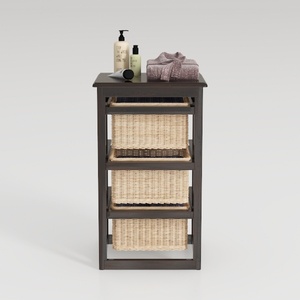
Modern Dark Wood Rattan Basket Storage Cabinet 3D Model

Boucle Fabric Solid Wood Base Modern Sofa 3D Model

Modern Minimalist Solid Wood Metal Dining Table 3D Model
Homestyler is your go-to online home design platform, perfect for turning your ideas into reality. With an easy-to-use design tool, stunning 3D renderings, a wealth of design projects, and helpful video tutorials, you can unleash your creativity and transform any space effortlessly!
Projete agora para LIVRE
































