


Direct Answer
For a small living room, the most effective TV layout ideas focus on minimizing floor clutter, optimizing the ideal viewing distance, and making the best use of wall space. Placing the TV in a corner, using floating media units, and incorporating vertical storage solutions can significantly maximize usable space while ensuring comfortable TV viewing.
In compact rooms, how you arrange the layout often outweighs the importance of TV size. Thoughtful positioning can make your space feel much larger without swapping out furniture.
Quick Takeaways
Introduction
Designing TV layouts for small living rooms is a frequent challenge encountered in real-world projects. After years of working with compact apartments in cities like Los Angeles, New York, and San Francisco, I've realized the TV itself is rarely the core issue. Instead, it's how the television fits with furniture placement, traffic flow, and storage needs that really matters.
Many homeowners instinctively push sofas against walls and position the TV opposite, hoping for the best. Unfortunately, this often wastes precious space and makes the room feel more cramped than it truly is.
Before finalizing a layout, I recommend creating a quick test plan using straightforward room layout tools similar to those found in platforms like Homestyler. Even simple sketches can reveal if seating, TV placement, and movement pathways clash.
Here are some reliable layout strategies I consistently use to optimize space while keeping TV viewing comfortable.
save pin
Corner TV Placement for Space Efficiency
Key Insight: Mounting the TV in a corner frequently unlocks the greatest amount of free floor space in small living rooms.
Many small living rooms assume the TV must be centered on the main feature wall, but this usually blocks natural traffic flow or forces bulky furniture into awkward spots.
A corner TV arrangement addresses two issues at once: it opens circulation paths and frees room for additional seating or decor.
In various studio apartment designs I've worked on, placing the TV in a corner created enough extra space to add a comfortable side chair or a cozy reading nook.
Best practices for corner TV layouts include:
Common error: pushing all furniture flush against walls. Surprisingly, pulling sofas slightly into the room often makes the space feel larger and more inviting.
Floating Media Consoles to Save Floor Space
Key Insight: Floating media consoles give the illusion of a more spacious room by revealing more floor area beneath them.
This upgrade is one of the easiest yet most impactful ways to visually open a compact living area. Traditional TV stands take up substantial floor space and create a heavy presence in the room.
Floating furniture addresses several challenges common to small spaces:
In contemporary apartments, I typically choose consoles about 12 to 16 inches deep—deep enough to accommodate devices but slimmer than most conventional stands.
save pin
Multi‑Functional Furniture Around the TV
Key Insight: Every piece of furniture near the television should ideally serve multiple functions in a small living room.
One major layout mistake is dedicating furniture to a single purpose. Multipurpose items cut down visual clutter and improve the space's flow in compact settings.
Examples of versatile furniture that fit well with TV layouts include:
When defining furniture zones, I often use 3D previews in tools like Homestyler to visualize scale. It’s a fast way to identify overcrowding or awkward spacing.
save pin
Using Vertical Space for TV and Storage
Key Insight: Utilizing vertical storage around the TV enhances storage capacity dramatically without losing walkable floor area.
Most small living rooms neglect the upper portions of their walls, missing valuable space for bookshelves, décor, or electronic equipment.
Effective vertical setups may include:
The key is to strike balance—too many shelves can overwhelm and clutter the visual field.
A dependable design guideline is:
Answer Box
The most space-saving TV layouts for small living rooms combine corner placement, floating furniture, and vertical storage. These strategies help reduce clutter, maintain a comfortable viewing distance, and preserve open paths for movement.
Successful designs prioritize unobstructed circulation before focusing on the screen’s position.
Balancing Seating and Viewing Distance
Key Insight: Appropriate viewing distance is essential to prevent a small space from feeling cramped or overwhelming.
People often push sofas too close to the screen in tight rooms, which can cause discomfort and make the TV dominate the visual space.
One practical rule applied in many interior design projects is:
If your room’s dimensions are tighter than recommended, consider wall mounting your TV and selecting slim furniture to preserve harmony.
Why Small Living Room Layouts Fail More Than People Expect
Key Insight: Most problematic TV layouts occur because circulation routes are neglected.
From my experience, many design mistakes stem from arranging furniture without considering natural movement paths. Every room should have clear walkways that don’t cross through viewing areas.
Common subtle layout issues I encounter include:
Experimenting with several layout versions early on, possibly using Homestyler or similar digital planning tools, helps avoid these pitfalls. Quick floor plan mockups enable side-by-side comparisons and better decisions.
Final Summary
FAQ
What is the best TV position in a small living room?
Corner placement or wall mounting generally yield the best results by freeing central floor space and enabling flexible furniture arrangements.
How do you arrange furniture around a TV in a small room?
Keep seating at an appropriate viewing distance, avoid blocking traffic paths, and choose slim furniture that won’t overpower the room's aesthetics.
Can a large TV work in a small living room?
Yes, provided it is wall mounted and complemented with minimalist furniture to avoid overwhelming the room visually.
Should a TV be centered on the wall?
Not necessarily. In many small spaces, offsetting or corner placements enhance circulation and seating flexibility.
How high should a TV be mounted in a small living room?
The center of the TV screen should be at eye level when seated, often approximately 42 to 48 inches above the floor.
What furniture works best with a TV in small apartments?
Storage ottomans, floating media consoles, and slim-profile sofas are excellent choices when planning a small apartment TV area.
How can I maximize space with a TV in a small living room?
Utilize wall mounting, floating storage units, and vertical shelving to keep floors clear and maintain open circulation pathways.
Is a TV stand or wall mount better for small spaces?
Wall mounting typically saves the most space, though a narrow floating console can still offer storage without crowding the room.
References
National Association of Home Builders – Interior Layout Planning Guidelines
American Society of Interior Designers – Residential Design Principles
Nielsen Media Viewing Distance Research
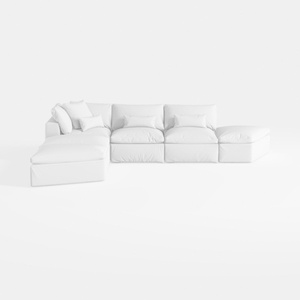

Minimalist White Fabric L Shaped Sectional Sofa 3D Model

Modern Marble Top Black Metal Leg Coffee Table 3D Model
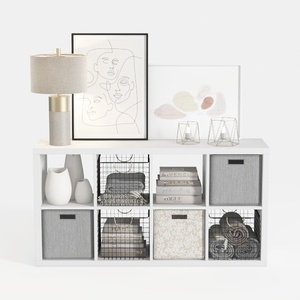
Modern Minimalist White Fabric Solid Wood Storage Cabinet 3D Model
Homestyler is an easy-to-use online home design platform featuring powerful 3D rendering, a vast collection of design projects, and helpful DIY video tutorials. It’s perfect for bringing your interior decoration ideas to life with confidence and creativity.
Projete agora para LIVRE
































