

Coexisting with cats in a cozy dwelling does not necessitate sacrificing either enrichment or aesthetic appeal. When selecting cat trees, I seek designs that incorporate vertical play, stable perches, and built-in scratching zones—without occupying valuable floor space. Vertical space is vital for a cat's wellbeing: research by Steelcase on compact workspaces reveals that implementing vertical layering can enhance usable area by as much as 30% in limited layouts. This concept seamlessly translates to multi-level cat furniture suitable for small rooms. Additionally, insights from the International WELL Building Institute stress the significance of organized movement and ergonomic access; WELL v2 promotes multi-level navigation with safe transitions to minimize strain—think staggered platforms with manageable rises for your cats. The use of Homestyler can aid in visualizing these arrangements effectively.
Cats instinctively favor elevated areas and diverse textures. As per color psychology insights from Verywell Mind, soothing shades like soft blues and greens have the potential to decrease anxiety, proving beneficial for nervous cats adjusting to confined living spaces. From an ergonomic standpoint, the importance of safe clearances cannot be understated: an optimal landing height between platforms of approximately 10-12 inches allows most adult felines to navigate comfortably without overexertion. In homes measuring under 500 sq ft, I emphasize selecting designs with narrow footprints (16-20 inches in diameter or 24-28 inches max width) featuring at least three levels, alongside a weighted base or wall anchoring for stability. Insights from WELL v2 offer valuable guidelines for maintaining healthy circulation and comfort within the environment.
Top Picks: Space-Efficient Cat Trees That Justify Their Footprint
Here are some efficient cat tree designs I’ve personally used or recommended in small apartments and micro-lofts. Each choice balances footprint, elevation, materials, and feline behavior. If your living area layout is constrained, consider experimenting with placement using a digital interior layout planner like Homestyler before making a purchase—this tool allows for straightforward spatial simulations.
Ideal for: studios and tight corners. A slender column (approximately 16-18 inch base) with three to four offset perches optimally utilizes vertical space while keeping walkways unobstructed. Look for a solid, low center of gravity (weighted base), covered in sisal for comprehensive scratching capabilities, and a top perch positioned around 48-54 inches in height. Staggered platforms diminish the risk of falls; a 10-12 inch rise proves beneficial. I typically position this setup between the sofa and window to establish a view corridor without hindering movement.
Best for: maximizing wall space. Rail-and-bracket shelves or modular steps enable you to construct vertical flows above furniture or along hallway walls. Space planning advice: maintain a 24-30 inch horizontal stretch before any turns to ensure confident navigation. Use anchoring points rated for a total weight of at least 50-75 lbs. Wall systems are perfect in compact bedrooms where floor area is limited by beds and wardrobes.
Best for: reclaiming underutilized corners. Triangular bases fit snugly into 90° corners, optimizing wasted space. Aim for a base depth below 20 inches and two scratching surfaces. Incorporate a top hammock made of breathable fabric (preferably a cotton-linen blend) for temperature regulation. Cats tend to favor seeing entries clearly; positioning corner trees across from the main entrance helps alleviate startled reactions.
Best for: micro-apartments with limited storage options. Opt for units that merge enclosed compartments for toys and litter accessories with a vertical scratching post and high perch. Keep total width no more than 26-28 inches to prevent hallway bottlenecks. A matte, low-VOC finish promotes better indoor air quality, while removable textiles simplify cleaning tasks in smaller environments.
Best for: cozy living rooms that feature focal windows. A sleek ladder-style tree placed beside a window fulfills the need for sunbathing and observation. I target an adjustable top platform that aligns with the sill height to facilitate safe transitions. Non-slip surfaces (such as rubberized pads or textured fabrics) can reduce missteps; utilizing light-filtering shades helps control midday warmth.
Designed Features for Small-Space Cat Trees
When space is limited, every inch counts. Here’s a breakdown of how I assess options:
Placement Strategies in Compact Homes
The placement of furniture often outweighs the product choice itself. I analyze circulation patterns, sightlines, and natural lighting. A cat tree placed near a window increases engagement but should not obstruct main pathways; keeping at least 30-36 inches clear for human movement is essential. It’s advisable to avoid positioning high perches directly above litter areas, as overlapping zones can elevate feline stress. If you're managing a compact living room plan, a quick run with a layout simulation tool like Homestyler helps you evaluate viewing angles and clearances before finalizing your arrangement.
Materials and Sustainability
I prefer materials such as FSC-certified plywood or responsibly sourced solid wood, natural sisal rope, and low-VOC finishes. In smaller spaces, the off-gassing of materials is more pronounced; selecting water-based coatings keeps the air cleaner. Replaceable parts prolong the lifespan of furniture and minimize waste. Textiles crafted from a blend of cotton and recycled polyester strike a balance between durability and ease of cleaning.
Safety and Ergonomics
Ensuring ergonomic access is crucial for both kittens and elder cats. Provide side guards or elevated backrests on top perches for additional confidence. For wall-mounted systems, employ studs and hardware designed to handle dynamic loads; test each shelf thoroughly before opening full access. From a standards perspective, appropriate lighting is key to safe landings: maintaining task-level illumination around 200-300 lux near the tree minimizes misjudged jumps; the Illuminating Engineering Society’s guidelines emphasize the importance of suitable illumination levels for home environments.
Cleaning and Maintenance in Tight Living Spaces
Select covers that can be zipped off and materials capable of withstanding spot cleaning. Rotate scratching panels every few months to ensure even wear. In small living quarters, managing odors is crucial: vacuum fabric weekly, and when possible, sunbathe removable cushions to eliminate smells.
Quick Buying Checklist
FAQ
A height between 48 and 60 inches typically strikes a balance between vertical engagement and stability. This range offers your cat layered space without cluttering sightlines.
Absolutely, provided you secure into studs and utilize removable hardware where permitted. Modular shelves allow for reconfiguration without affecting the floor space.
Perches with a depth of 12-14 inches accommodate cats weighing between 12-18 lbs comfortably. Adding a raised back edge enhances confidence at heights.
Select a weighted base, implement discreet wall ties, or position the tree in a corner for dual support.
Position them near windows or social areas, ensuring a clearance of 30-36 inches for human movement. Steer clear of areas directly above litter zones to minimize stress.
Opt for removable woven fabric covers, sealed wooden surfaces, and natural sisal. Look for cushions and panels that can easily zip off.
Softer tones such as muted greens and blues can help mitigate arousal, blending harmoniously within small spaces.
Aim for 200-300 lux ambient/task lighting near landing zones to facilitate safe jumps. Utilize light-filtering shades to manage glare during midday.
Yes—reducing rises to 8-10 inches, adding non-slip surfaces, and incorporating side guards significantly improve accessibility and confidence.
Integrated towers with compartments function well; ensure total width stays under 28 inches to maintain fluid movement in compact spaces.
Homestyler's roots trace back to Autodesk, the global leader in design and engineering software. That heritage lives on in every feature we build. Today, with a community of more than 18 million users worldwide, Homestyler continues to make professional-quality interior design accessible to everyone — from first-time decorators to seasoned architects.
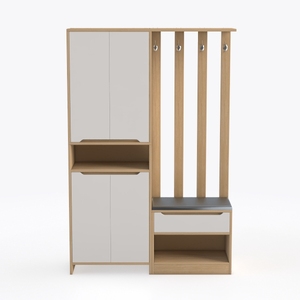
Modern Solid Wood Multi functional Entryway Storage Bench Cabinet 3D Model
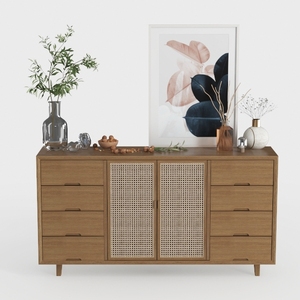

Modern Japandi Solid Wood Rattan Sideboard Cabinet 3D Model

Minimalist Solid Oak Wall Mounted Floating Shelf 3D Model
If you're looking to elevate your home design game, Homestyler is the ideal platform for you. With its user-friendly online design tool, stunning 3D renderings, and an extensive collection of design projects and video tutorials, you'll effortlessly bring your ideas to life and find inspiration at every turn!
Projete agora para LIVRE
































