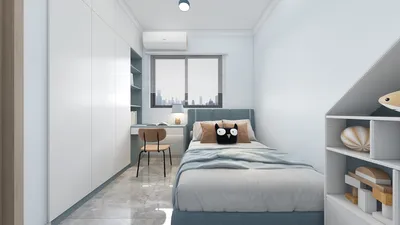


I once made the mistake of installing a series of picture lights upside down in a client's living room. While they had a visually appealing design, they ended up illuminating only the ceiling. This humorous mishap taught me an important lesson: always double-check the direction of the wiring. Lighting is crucial for a photo wall, as it can transform a simple collection into an eye-catching focal point—especially in small spaces where bold yet thoughtful lighting choices are essential.
1. Adjustable picture lights
Adjustable picture lights are one of my favorite options since they allow you to direct light precisely where it's needed. In a narrow hallway, I chose brass sconces that could be adjusted above each frame; this not only created depth but also didn't occupy any valuable floor space. Their advantages include targeted illumination, a classic aesthetic, and compatibility with grouped frames. However, be mindful that they require proper mounting and may need hardwiring—though battery-operated models are convenient for renters.
save pin
2. LED tape behind frames
I have a soft spot for backlit LED tape; it's a clever way to create the illusion of a floating photo wall. I've utilized warm 2700K strips to produce a soft halo effect, which gives a modern feel and enhances a compact room's ambiance. The benefits of LED tape include low heat output, minimal power consumption, and customizable lengths. The only drawback is its installation, which requires care to ensure even lighting; using diffusing channels can achieve a professional appearance.
save pin
3. Picture rail with directional spotlights
Picture rails are fantastic because they protect walls and provide flexibility to rearrange artwork easily—ideal for those with evolving photo collections. I recently installed a slim rail with three small directional spotlights, making it easy to change out photos without hassle. The benefits include a flexible layout and a gallery-like atmosphere, but you should ensure that the rail is securely mounted while adjusting the spotlights' height to avoid glare.
save pin
4. Integrated frame lights
Frames equipped with built-in LEDs offer a tidy solution for anyone seeking straightforward installation. I specified these integrated frames for a condo's entry wall, eliminating any visible wiring for a uniform appearance. The advantages include minimal installation and a sleek aesthetic; however, it's important to check the color temperature and the replaceability of the LEDs before making a purchase.
save pin
5. Clustered pendant lights
For an impressive statement in a small space, clustered pendant lights above a photo gallery can be very effective when ceiling height permits. I once arranged three mini pendants in a staggered fashion over a compact display, resembling a small art installation. These lights serve as striking focal points while adding sculptural appeal, but they do require sufficient vertical space and careful positioning to avoid obstructing sightlines.
save pin
Tips 1:
When positioning picture lights, aim for approximately a 30-degree angle from vertical to minimize glare. If you're experimenting with the visual layout, consider using a room planner tool like Homestyler to simulate heights and light angles. It's also helpful to test the setup with a lamp on the floor prior to committing to any drilling.
save pin
FAQ
Q: What color temperature is ideal for lighting photo walls?
A: For most photo walls, I recommend using warm white (2700K–3000K) to enhance skin tones and wooden frames; neutral white (3500K–4000K) works well for modern or monochrome prints.
Q: Is it possible to use battery-operated picture lights for larger walls?
A: Yes, battery lights can work for small to medium photo galleries, but for larger installations, a wired power source is preferable for reliable performance.
Q: How can I prevent glare on framed glass photos?
A: Utilize angled fixtures, anti-reflective glazing, or opt for museum glass. Positioning the lights higher and aiming them at about 30 degrees can also help reduce reflections.
Q: Are LED strips safe to use behind photos?
A: If you use proper low-voltage LED strips and avoid trapping heat, they can be safe; employing aluminum channels and leaving ventilation space behind frames are key precautions.
Q: What's the optimal method for lighting a mixed-size photo gallery?
A: A combination of focused picture lights and low-level ambient LEDs is ideal for balancing visual weight; layering different types of lighting can add depth.
Q: How high should photo wall lights be mounted?
A: Generally, fixtures should be positioned so that the center of the light is at eye level—typically around 60–66 inches from the floor—though it's always good to test based on your specific space.
Q: Is it possible to achieve a gallery vibe without hardwiring lights?
A: Absolutely! Options like battery picture lights, plug-in lights, and LED strips provide great non-invasive solutions. To help with planning, tools like Homestyler can assist in visualizing arrangements.
Q: Where can I find standards for exhibition lighting guidelines?
A: The International Council of Museums (ICOM) and The Getty Conservation Institute offer guidelines on lighting and conservation. For detailed lighting standards, please refer to ICOM.
save pin
Discover your home's potential with Homestyler! This user-friendly online design platform offers an intuitive design tool, stunning 3D renderings, and a wealth of DIY video tutorials. Perfect for anyone looking to transform their space effortlessly, Homestyler makes home design inspiring and accessible.
Projete agora para LIVRE
































