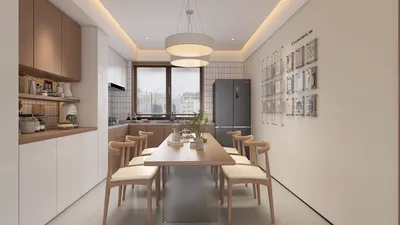


Having spent over ten years in the field of interior design, I've discovered that limited spaces often spark the greatest creativity. Recently, there’s been a notable increase in demand for cozy yet stylish living rooms, particularly those embracing the classic charm associated with Pottery Barn designs. In this article, I will outline 10 small living room ideas inspired by Pottery Barn that I've successfully implemented in various projects, merging my personal experiences with professional insights.
1. Neutral Foundation with Layered Textures
My Experience: I once revamped a client's 12㎡ living area by starting with a soft neutral sofa, complemented by knitted throws and linen cushions. This approach instantly elevated the ambiance while ensuring comfort.
Advantages: Neutral hues create an open and breezy atmosphere, making seasonal updates easy. The fabric options from Pottery Barn are not only chic but also durable and stain-resistant, ideal for compact, active spaces.
Disadvantages: A neutral scheme can appear dull without sufficient textures. Incorporating a variety of fabrics and perhaps some greenery is essential to keep the space vibrant.
2. Coffee Tables with Storage
My Experience: In a studio apartment, I utilized a spacious ottoman featuring hidden storage — perfect for tidily stowing away blankets and books while serving as extra seating when needed.
Advantages: This strategy maximizes functionality without cluttering the space, harmonizing wonderfully with Pottery Barn’s traditional upholstered storage solutions.
Disadvantages: Storage units with heavy lids may prove cumbersome in small layouts.
Tip: Combining this with a minimalist storage arrangement can help maintain an open and efficient layout.
3. Large-Scale Wall Art
My Experience: Contrary to common belief, oversized artwork can actually create a more spacious and intentional feel in a small living area.
Advantages: A single striking piece diminishes the distraction of various smaller frames. As noted by Architectural Digest, a focal point helps stabilize compact rooms visually.
Disadvantages: Quality framed art can come at a high cost. Consider integrating DIY prints to stay within budget.
4. Space-Saving Sectional Sofas
My Experience: A small L-shaped sectional in a light gray became a beloved cozy corner for my friend’s diminutive loft — accommodating more guests than a standard sofa and chair combination.
Advantages: Cleverly utilizes corners and naturally defines living and dining spaces.
Disadvantages: Compared to modular options, rearranging can be more challenging.
Example: The small-scale sectionals from Pottery Barn's “Cameron” collection are ideal for such layouts.
5. Mirrors for Enhancing Light
My Experience: I positioned a large brass-framed mirror from Pottery Barn opposite a window — the transformation in brightness and perceived space was incredible.
Advantages: Mirrors extend visual space; they beautifully reflect both light and your favorite design elements.
Disadvantages: They require frequent cleaning and poor placement may reflect disorder.
6. Layered Lighting Design
My Experience: Solely relying on overhead lighting can make a room appear flat. I prefer a combination of table lamps, sconces, and candles for a warmer ambiance.
Advantages: This method elevates mood and adaptability; it allows you to create an inviting atmosphere for both entertaining and relaxation.
Disadvantages: More light sources result in additional cords and switches to manage.
Tip: Incorporating both ambient and task lighting in your layout ensures balanced brightness throughout the space.
7. Versatile Accent Chairs
My Experience: Swivel accent chairs are my top choice for client spaces under 15㎡ — they look chic and rotate easily for casual chats or watching TV.
Advantages: They add versatility and are easily moved for cleaning or group gatherings.
Disadvantages: Round bases may require slightly more floor space than anticipated.
8. Floating Shelves
My Experience: For a client who desired display space without bulky cabinets, I installed reclaimed wood floating shelves above the sofa.
Advantages: Floating shelves keep the floor clutter-free and add vertical interest to the design.
Disadvantages: They demand careful styling to prevent a chaotic look.
9. Warm Wooden Accents
My Experience: Introducing a wooden coffee table or media unit can instantly warm up even the smallest living areas.
Advantages: Wood brings timeless appeal and aligns beautifully with the classic Pottery Barn style. Research from the Journal of Interior Design indicates that wood tones can enhance perceived comfort in living spaces.
Disadvantages: Some wooden surfaces might scratch easily in high-traffic environments.
Tip: Incorporate wooden accents into an open-plan living-kitchen area for a cohesive atmosphere.
10. Washable Slipcovered Sofas
My Experience: For a busy family residing in a compact area, a slipcovered sofa became an essential — machine-washable covers removed the stress over spills.
Advantages: These sofas are simple to refresh seasonally and can be durable with proper maintenance.
Disadvantages: Installing fitted slipcovers can be tricky without assistance.
Conclusion: A small living room doesn't limit your style choices — rather, it encourages smarter decisions in design. As highlighted by the American Society of Interior Designers, blending functionality with personality is always the winning strategy. Which of these Pottery Barn-inspired small living room ideas do you look forward to trying first?
FAQ
Discover the ease of home design with Homestyler! This user-friendly platform offers an intuitive online design tool, stunning 3D renderings, a wealth of design projects, and helpful DIY video tutorials. Transform your space effortlessly and unleash your creativity today!
Projete agora para LIVRE
































