

When designing a living room that balances agility and elegance, swivel chairs are an excellent choice. A thoughtfully selected swivel chair not only enhances conversation flow but also accommodates various focal points, ensuring a smooth circulation path. In spaces where different activities like watching television, reading, or socializing occur, a swivel mechanism transforms seating into a dynamic element that adapts easily to the environment.
The importance of versatility in seating is underscored by research, which indicates that dynamic seating supports comfort by encouraging micro-movements, reducing fatigue over prolonged use. This notion aligns with recommendations on residential lighting, emphasizing the need for seating orientation that accommodates light sources; swivel chairs facilitate this by allowing users to shift their position to avoid glare while keeping their sightlines intact. For comprehensive insights on well-being in interior environments, resources such as the WELL Building Standard provide evidence-based guidelines for achieving optimal posture and visual comfort in living spaces, aligning perfectly with the ethos of Homestyler.
Key Elements of an Ideal Swivel Chair for Your Living Room
Three main factors determine the quality of a swivel chair: the swivel mechanism, the ergonomic design of the seat, and the choice of fabric or finish. A robust ball-bearing swivel mechanism ensures smooth rotation and longevity, while lower-end models may use less durable friction plates. Ergonomics dictate that the seat should elevate your hips slightly above your knees and provide lumbar support, coupled with a cushion density that maintains its shape over time. My preference leans toward high-resilience foam with a fiber wrap for lasting comfort. Additionally, low-sheen metal bases are practical for hiding scuffs, whereas wooden bases can introduce warmth and stability to the chair's overall appearance.
Design Styles: From Chic Minimalism to Timeless Comfort
- Modern barrel swivel chairs: Characterized by sleek lines and understated bases, they are perfect for contemporary settings and small living areas.
- Transitional wingback swivels: With elevated backs and gently rounded shapes, these chairs pair beautifully with textured fabrics and medium-toned woods.
- Comfortable swivel recliners: Designed with narrower arms and built-in footrests, they are ideal for reading nooks where seating posture may shift throughout the evening.
- Artistic lounge swivels: Larger, rounded designs that serve as bold focal points, these work well alongside simpler tables to create visual balance.
Human-Centric Design and Ergonomics
Seat heights that suit most adults generally range from 16 to 19 inches, complemented by a back height of 30 to 36 inches for enhanced lounge comfort. Armrests positioned 7 to 9 inches above the seat allow for relaxation without raising shoulders. The swivel mechanism should offer just the right amount of resistance—too loose could lead to drifting, while too tight makes movement difficult. For family spaces, self-aligning swivel mechanisms help keep the rooms organized, especially where space is limited.
Using Color to Influence Mood
Colors play a critical role in setting the atmosphere. Cool tones like blues and greens promote relaxation, ideal for reading areas, while warmer hues like terracotta and mustard enhance social interactions in entertainment zones. Light-colored fabrics can create an illusion of spaciousness but require careful maintenance against stains; darker colors anchor the room and disguise wear. Consider fabric textures as well: bouclé provides warmth but may snag easily, while tightly woven performance fabrics are durable and simple to clean. Patterns on upholstery should be chosen wisely; large motifs may appear misaligned from varying angles due to the swivel motion.
Enhancing Acoustic Comfort with Swivel Chairs
Swivel chairs enable users to turn away from noise sources like kitchens or hallways without relocating the base. Soft, thick upholstery can minimize sound, while a rug underneath helps reduce noise from foot traffic. In living rooms designed for video conferencing or gaming, opting for swivel chairs with generous backs and plush armrests can enhance acoustic performance; fabrics for wall art and drapes can further improve sound quality.
Managing Light, Glare, and Sightlines
Implementing layered lighting with dimmable options can effectively reduce high contrast ratios at night. Placement of swivel chairs should be strategic, allowing users to move away from bright light sources while still enjoying views of the TV or fireplace. Lighting experts advocate for indirect or shielded light, so incorporating shaded lamps beside swivel chairs can prevent visual overexposure. Thanks to their flexibility, swivel chairs become valuable allies in adapting to changing daylight conditions without the hassle of shifting furniture.
Strategic Layout for Optimal Conversation Flow
In elongated living spaces, positioning two swivel chairs opposite a sofa and angling them slightly towards each other creates a welcoming atmosphere. Ensure a clear walking path of at least 30 to 36 inches behind swivel chairs to facilitate movement. For smaller spaces, a solitary barrel swivel next to a loveseat offers versatility—whether facing a coffee table for games, turning toward a window for reading, or shifting to engage with guests during gatherings. To visualize potential layouts and ensure proper clearances, consider utilizing a room design tool available on platforms like Homestyler.
Sustainable Materials and Choices
Prioritize chairs built with kiln-dried hardwood frames or engineered plywood known for their sturdiness. Look for metal swivel bases with sealed bearings that promise a quiet, long-lasting rotation. If sustainability is a concern, aim for Greenguard-certified foams, water-based finishes, and removable covers for easy maintenance. Natural leather develops a beautiful patina over time, while performance microfibers offer stain resistance suitable for homes with children or pets. It's essential to check the durability rating of fabrics against heavy residential use, be it Martindale or Wyzenbeek tests.
Understanding User Behavior: Who Will Use This Space?
Design the experience around user habits. If the living room serves as a reading sanctuary, opt for high backs with integrated headrests. For engaging spaces, select mid-back chairs without arms to facilitate easy conversation shifts. Homes with pets should consider swivel bases that minimize undercuts to prevent fur accumulation. In households where children enjoy spinning, weighted bases with moderated resistance are advisable to promote safety during play.
Creating Focal Points and Visual Harmony
Swivel chairs should seamlessly integrate multiple focal points such as the TV, fireplace, or scenic views without adding visual clutter to the room. Strive for a coherent visual rhythm by complementing a more substantial swivel chair with lighter accent seating, or arrange two swivel chairs around a simple coffee table. If a sculptural swivel chair takes center stage, balance it with slender floor lamps and airy side tables to maintain an open feel.
Avoiding Common Design Pitfalls
- Overcrowding: Ensure there is at least 18 inches from the edge of the chair to the coffee table for comfort.
- Not accounting for swivel space: Ensure enough clearance for full rotation to avoid obstruction from drapes or console edges.
- Selecting overly plush seats: Excessive softness hampers posture and lessens the comfort during longer seating periods.
- Overlooking fabric direction: With a rotating chair, asymmetrical patterns can become very noticeable.
Maintenance and Durability Tips
Regularly vacuum upholstery using a gentle brush and rotate cushions monthly to ensure even wear. It’s advisable to tighten screws on the base annually and check for debris in the bearings. Promptly blot any spills, testing cleaners in inconspicuous areas beforehand. Should you notice your swivel chair starting to drift or make noise, reaching out to a professional service for potential lubrication or tension adjustments can help restore its original smooth function.
Frequently Asked Questions
Q1: Are swivel chairs stable on carpets?
A: Yes, if the rug features a dense, non-slip pad that fully supports the chair's base and avoids uneven piles that could disrupt the mechanism.
Q2: What seat height is most suitable for average living rooms?
A: Ideally, between 16 and 19 inches. It's beneficial to align seat height with that of the sofa for comfortable conversation levels.
Q3: Can utilizing swivel chairs lead to neck discomfort during TV viewing?
A: Not if the chair permits small adjustments; gentle pivots can help align your view with the screen, lessening neck strain.
Q4: How much rotation clearance should be factored in?
A: Plan for a space of 30 to 36 inches around the chair, with at least 18 inches between the chair and coffee table for legroom.
Q5: Which fabrics work best for durability in families with pets?
A: Performance fabrics with tight weaves, treated microfibers, and protective leather finishes are ideal. Loose bouclé should be avoided as it may snag easily.
Q6: Is investing in a return-to-center swivel advisable?
A: Especially in smaller spaces, yes. It encourages the chairs to realign automatically, keeping the layout and passageways tidy.
Q7: Do swivel chairs help mitigate glare?
A: Definitely. The ability to reorient allows users to shift away from harsh light while maintaining a view of their surroundings.
Q8: What type of base is optimal—metal, wood, or plinth?
A: Metal bases with sealed bearings are preferred for durability. Wooden plinth bases bring warmth and conceal mechanisms for a neater appearance.
Q9: Can large swivel chairs dominate smaller rooms?
A: They may. Counterbalance a larger swivel with minimalist tables and vertical lighting, or choose more compact barrel designs with slender arms.
Q10: How can I ensure that swivel motion isn't excessively loose?
A: Look for chairs with moderate resistance and confirm functionality in-store. Some models allow for tension adjustments, and professionals can provide fine-tuning services.
What began as an Autodesk innovation has evolved into a design platform used by more than 18 million people around the globe. Homestyler combines powerful rendering, an intuitive editor, and a vast furniture library to help you turn inspiration into photorealistic designs — whether you're redesigning a single room or planning an entire home.

Minimalist Solid Wood Linen Fabric Three Seat Sofa 3D Model
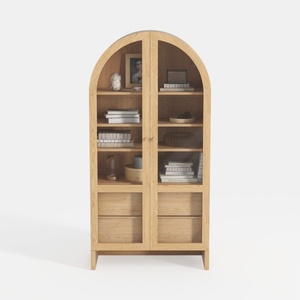
Minimalist Solid Wood Arched Display Cabinet 3D Model
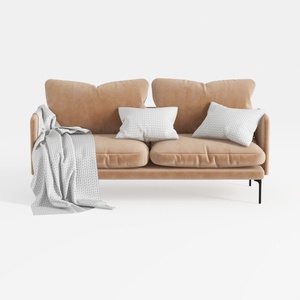

Modern Minimalist Velvet Fabric Loveseat Sofa with Throw Pillows Blanket 3D Model
Looking to breathe new life into your space? Homestyler is your go-to online home design platform! It features an easy-to-use design tool, stunning 3D renderings, inspiring design projects, and helpful DIY video tutorials. Transform your ideas into reality effortlessly!
Projete agora para LIVRE
































