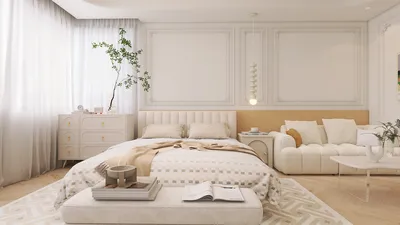


The use of red LED light is becoming increasingly popular, spanning applications from home ambiance to skincare and wellness therapies. A common concern among people is whether exposure to red LED light poses risks to eye health. Fortunately, research indicates that red LED light is generally safe for the eyes when utilized appropriately. Specifically, low-level red light, typically ranging from 620 to 750 nm, poses a lower risk for retinal damage compared to higher energy light sources such as blue or ultraviolet (UV) light.
Nevertheless, extended exposure to any intense light source can lead to temporary discomfort, which may manifest as eye strain, dryness, or fatigue, particularly with direct or intense red LEDs. It’s crucial to opt for red LED lighting products that are certified for consumer use, ensuring compliance with safety standards regarding brightness and wavelength. If you're planning to incorporate red LED lighting into your home—be it for mood enhancement or specific design elements—considering the placement and intensity will help you achieve both visual comfort and safety.
As a designer, I prioritize the quality of light and its impact on well-being. For individuals interested in incorporating colored LED lighting in their interiors, utilizing a dedicated design tool like Homestyler can assist in achieving both aesthetic harmony and visual comfort. This tool allows users to experiment with various lighting placements, color schemes, and intensity levels, ensuring a thoughtful balance between design intention and eye health.
Tips 1:
In planning your lighting design, aim to layer different warmths and reduce direct glare. Opt for softer, diffused LED fixtures for general lighting, and save high-intensity red LEDs for highlighting specific features—such as artwork or shelving—rather than for constant exposure across wide areas. This strategy will keep your space visually appealing and comfortable while safeguarding your eye health.
FAQ
Q: Is red LED light harmful to your eyes?
A: When used properly at standard household intensities, red LED light is generally considered safe for eye exposure when compared to blue or UV light.
Q: Does red LED light affect sleep?
A: Red LED light is less likely to interfere with circadian rhythms and melatonin production, making it a favorable choice for nighttime illumination, especially in contrast with blue or white LEDs.
Q: What are the recommended exposure limits for red LED lighting?
A: For consumer red LED bulbs, it's advisable to adhere to manufacturer guidelines and avoid prolonged direct exposure to high-intensity sources.
Q: Is it advisable to read under red LED lights?
A: Although red LED light is safe, it can hinder reading due to lower contrast. It's better to use white or warm white lighting for reading, while reserving red lighting for accent features or general ambiance.
Q: Are there health advantages to red LED light?
A: Some research indicates that low-level red light may support eye health and promote cellular repair, although these positive effects are generally observed in controlled therapeutic environments, not in regular home lighting applications.


Looking to transform your space? Homestyler is your go-to online home design platform. With its user-friendly design tool, stunning 3D renderings, inspiring design projects, and helpful video tutorials, you’ll be able to create and visualize your dream home effortlessly. Dive in and unleash your creativity!
Projete agora para LIVRE
































