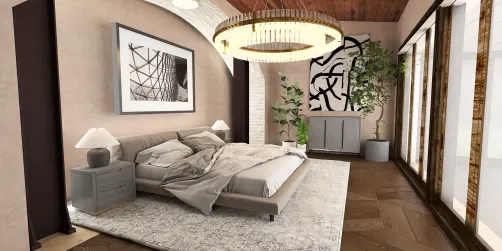
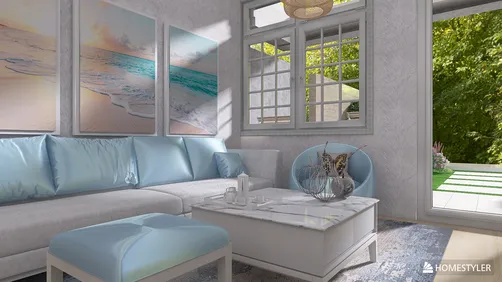
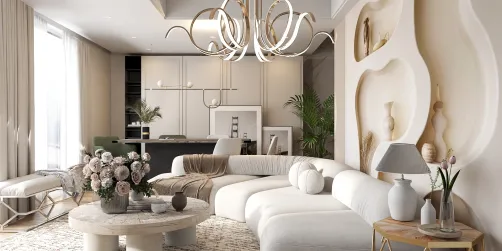
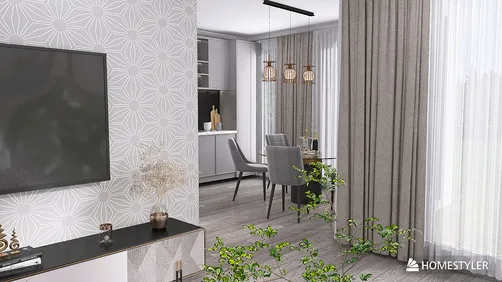
I view door design as not only a practical entryway but also a key visual element. A thoughtfully selected interior door can significantly enhance privacy, manage light and sound, and set the overall mood of a room. Beyond their aesthetic value, doors play a critical role in regulating movement and ergonomics—impacting how individuals navigate, halt, and interact within their living or working environments, especially when paired with design tools like Homestyler.
Prioritize Performance Goals Before Selecting a Style
Performance should be the primary consideration. In office settings, sound management is crucial: studies from Steelcase reveal that auditory distractions frequently rank as significant obstacles to productivity, with workers experiencing diminished concentration in noisily designed spaces. The WELL v2 standard also highlights the importance of acoustic comfort, urging methods that minimize noise transfer through building elements, including doors. In residential spaces, the essentials include privacy and light management—bathrooms and bedrooms often require solid or laminated doors for better acoustic properties, while studies and nurseries benefit from the inclusion of soft-close hardware and enhanced seals. Establishing what the door needs to accomplish first is vital: whether it’s about privacy, daylight sharing, accessibility, or durability.
Color and lighting are equally important. The IES advises appropriate lighting levels for circulation spaces to ensure safe navigation; incorporating sidelights or transoms with doors can allow daylight to flow while keeping privacy intact through the use of frosted or reeded glass. From a color psychology standpoint, Verywell Mind suggests that shades of blue and green are calming and enhancing focus—this is a valuable consideration when choosing paints or laminates for doors that lead to tranquil environments.
Research from Herman Miller indicates that office designs that prioritize movement and posture lead to increased comfort and efficiency. In the context of your home, guidelines from the NKBA aid in aligning door widths and clearances with effective kitchen and bath layouts to promote accessible circulation. Optimally sized doors can prevent traffic jams and facilitate ergonomic reach, particularly in scenarios where door swings intersect with furniture or cabinetry.
Material Selection: Achieving Acoustic Balance, Durability, and Texture
Materials fundamentally influence both performance and aesthetics. Solid wood doors provide warmth and excellent sound absorption, particularly those crafted from wood species like white oak or walnut. For a cost-effective alternative, engineered solid-core doors deliver similar acoustic benefits with enhanced dimensional stability. In modern interiors, laminated or painted MDF doors present smooth edges and reliable finishes.
Glass doors—whether fully glazed, divided lite, or with translucent interlayers—allow natural light while managing privacy levels. Opt for laminated glass to bolster sound control and safety. Reeded or fluted glass can bring texture and obscure views while still allowing brightness to flow through. In environments with high humidity or near wet areas, consider marine-grade paint systems or compact laminates that resist swelling over time.
Choosing the right hardware is essential: heavier doors ideally require 3 to 4 hinges for stability; soft-close concealed hinges and magnetic latches contribute to a polished finish. For bathrooms and bedrooms, privacy sets are most suitable; while in studies and media rooms, effective seals and drop thresholds can enhance acoustic isolation.
Style Guidance: Minimalist, Traditional, or Textured
Minimal flush doors are perfect for contemporary spaces, particularly when combined with shadow-reveal frames and concealed hinges. Classic raised or recessed panel doors can elevate the design of traditional homes; consider a 2 to 3 panel arrangement to keep the appearance understated. Shaker-style profiles seamlessly combine modern and classic aesthetics—featuring clean lines with subtle bevels.
Texture and relief can enhance visual interest. Vertical slats or micro-ribbed panels introduce a tactile rhythm, particularly beneficial in elongated corridors where doors punctuate the wall. For compact spaces, lighter hues and low-sheen finishes can help minimize visual weight, while richer, darker wood tones in larger areas can instill a sense of grandeur and balance against high ceilings.
Understanding Color Psychology and Finish Strategies
Doors orchestrate emotional cues within a space. Soft whites and warm greige foster tranquility in bedrooms; muted greens promote calm in nurseries and reading areas; whereas charcoal or espresso finishes can anchor living spaces, imparting a visual structure. Verywell Mind's insights connect cooler hues to heightened focus and warmer tones to energetic environments—apply this knowledge across adjacent rooms to convey different uses and moods effectively.
The sheen of the finish plays an important role: matte finishes disguise flaws and reduce glare; satin serves as a versatile choice; semi-gloss offers durability for high-traffic areas, though it might highlight surface imperfections. Ensure your door finish aligns with the sheen of the wall paint and trim for cohesive transitions.
Ergonomics and Accessibility
Comfort transcends mere aesthetics. Verify that appropriate clear widths are in place—32 inches is a common residential benchmark, with broader options recommended for spaces accommodating mobility devices. Lever handles tend to outperform knobs for those with limited grip strength and are more practical in wet environments like kitchens and bathrooms. Consistent mounting height of handles (generally 34 to 38 inches to the center) helps standardize ease of access.
The swing path of doors must consider nearby furniture. In compact areas, pocket or barn doors can free up floor space, although these typically have less effective acoustic performance compared to solid swinging doors. For closets, bifold panels provide access without extensive swings, but require precise alignment to prevent pinching or warping over time.
Acoustic Comfort: Construction and Sealing
Effective acoustics depend on both the mass of the door and proper sealing techniques. A solid-core door equipped with high-quality weatherstripping, alongside a threshold and tight alignment, can significantly enhance sound isolation. For glazed doors, consider laminated glass, and implement automatic drop seals where privacy is of utmost importance. Pair doors with sound-absorbing materials—like rugs, upholstered furnishings, and acoustic panels—to minimize reverberation around the entryway.
Light Management: Sharing Daylight Without Glare
When doors serve as a bridge between well-lit spaces and darker areas, controlling glare is paramount. Frosted or prismatic glass, vertical ribbing, or small divided lites can diffuse light and ease transitions. If the intention is to allow daylight into a darker corridor, adding transoms or sidelights with low-iron glass ensures clarity while maintaining privacy with patterned interlayers.
Design and Flow: Optimize the Layout
Position doors strategically to enhance natural movement and visibility lines. Align door openings with existing pathways to minimize turns and avoid collisions. In rooms with multiple doors, stagger the swing directions to prevent handle clashes, and consider outswing designs in bathrooms for improved access. Utilizing a room layout tool, such as Homestyler, can help visualize door swing paths, furniture placements, and sequences in multi-door environments, ultimately sidestepping potentially costly redesigns.
Crafting the Frame and Trim
Frames and casings often work behind the scenes. Thin shadow gaps between the frame and wall enhance precision and account for movement. Traditional casings with backbands offer depth and protect edges from wear. Opt for uniform casing widths across the project to unify sightlines; variations should only occur where scale necessitates (for instance, taller casings in grand halls).
Specialized Door Types: Barn, Pocket, and Pivot
Barn doors effectively conserve swing space and introduce character; however, ensure wall clearance is accounted for hardware and nearby artwork. Pocket doors can completely free up floor area but demand straight framing and robust track systems. Pivot doors provide a sculptural aesthetic and wider openings; ensure stability with floor pivots and top bearings, while confirming latch mechanisms to uphold privacy.
Eco-Friendly Options
Select FSC-certified materials and low-VOC finishes for sustainability. Engineered door cores contribute to waste reduction and stability. Durable hardware enhances lifespan and reduces the need for replacements. In climates with high moisture, use moisture-resistant substrates to prevent swelling and minimize repainting needs.
Frequent Pitfalls to Avoid
- Undersizing clear widths may cause pinch points near furniture.
- Overlooking acoustics can be problematic, particularly in bedrooms, studies, and baths.
- Overcomplicating design profiles in smaller areas can lead to visual clutter.
- Having inconsistent hardware finishes across adjacent doors.
- Positioning barn door hardware in areas where wall switches or artwork might interfere.
Essential Checklist for Selection
- Identify functional objectives: privacy, acoustics, daylight, accessibility.
- Choose your material: solid wood, solid-core engineered, MDF, glass laminate.
- Decide on style: flush, Shaker, paneled, slatted, or glazed.
- Confirm hardware options: hinges, latches, privacy sets, soft-close features, and seals.
- Harmonize finishes and color strategies with the intended room ambiance.
- Utilize an interior layout planner to validate arrangements and swing arcs.
Frequently Asked Questions
A solid-core swing door equipped with perimeter seals and a drop threshold serves as a robust solution for acoustic isolation. Pair it with a privacy latch and soft-close hardware to minimize noise disturbances overnight.
Laminated frosted or reeded glass doors, or adding transoms with diffusing interlayers, can help to spread daylight while filtering direct views and regulating glare.
While pocket doors save swing space, they tend to offer weaker acoustic performance and less effective sealing. If sound control is crucial, a solid swing door with compact arcs is typically advisable.
Lever handles are better for reducing wrist strain and are more accommodating for individuals struggling with grip strength. Consistently mount handles at heights around 34-38 inches for ease of access.
To enhance door design, stagger their locations, alternate swing directions, and maintain adequate clear widths. Verify configurations using a layout simulation tool to ensure effective functionality and movement.
For durability, satin or semi-gloss finishes on engineered cores resist wear; for natural wood, opt for a hardwax oil or catalyzed lacquer. Ensure that your hardware selections include solid brass or stainless steel for longevity in high-use areas.
Laminated glass offers improved sound control compared to regular glass. Combine it with well-designed frames and seals; consider incorporating smaller lites within a solid stile-and-rail door for a balanced approach between visibility and acoustic privacy.
A net clear opening of approximately 32 inches is ideal for most homes; however, it’s wise to increase this where mobility aids are present. Coordination with furniture and cabinetry is essential to maintain sufficient passage space.
Cool tones like blue and green can enhance focus and serenity, making them suitable for bedrooms and study areas. In contrast, warmer hues tend to invigorate social spaces. Ensure the sheen of your doors is consistent with adjacent trim to uphold visual cohesion.
Consider pivot doors when a wider opening or a striking design element is needed. Confirm the structural capacity and latch systems, ensuring adequate space for the pivot movements.
Homestyler is your go-to online home design platform! With its user-friendly design tools, stunning 3D renderings, and a vast selection of design projects alongside helpful DIY video tutorials, you can effortlessly create and visualize your dream spaces. Start designing today!