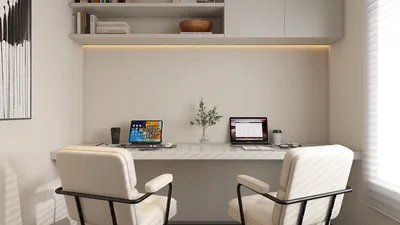


Designing with bold colors doesn't necessarily imply excess noise. Instead, when I incorporate shades of purple—from soft mauve to rich aubergine—it serves as a foundational element to cultivate atmosphere, direct behavior, and enhance illumination. This color's link to creativity and tranquility positions it as an impactful backdrop in living spaces, bedrooms, and work areas. According to studies highlighted by Verywell Mind, cool colors, including purples, can induce a sense of calm and encourage introspection, making them suitable for environments geared toward relaxation or concentration. Additionally, Steelcase's research indicates that appropriate environmental factors, such as color schemes and lighting, can diminish mental fatigue and enhance focus, making it evident why tools like Homestyler are invaluable for visualizing these elements in interior spaces.
Light is the key factor that maximizes the impact of purple in a room. IES recommends that ambient spaces should feature lighting ranging from 300 to 500 lux, while concentrated tasks like reading require 500 to 750 lux to mitigate eye strain. WELL v2 emphasizes the necessity of circadian lighting and glare control, indicating that balanced vertical illumination and adaptable color temperatures improve occupant satisfaction and productivity. In living areas, I often combine 300 to 400 lux soft ambient light with dimmable fixtures set at 2700 to 3000K, ensuring that richer plums feel inviting rather than oppressive. For bedrooms, I aim for a gentler 100 to 200 lux for ambient lighting, accentuated by bedside lamps at 300 to 500 lux to maintain lavender's soothing qualities. Creative workspaces call for tuned lighting around 4000K, achieving over 500 lux to keep violet highlights clear and sharp. For extensive workplace insights, the data provided by Steelcase offers benchmarks on creating conducive lighting scenarios.
Paying attention to ergonomics and human factors is essential, even in spaces that embrace vibrant colors. Research from Herman Miller illustrates that adjusting posture and ensuring ergonomic compatibility enhances comfort and alertness during prolonged usage. When purple predominates, I counterbalance its intensity with diverse textures—using matte finishes on walls to minimize glare, while textured furniture introduces warmth, and smooth lacquered tables strategically reflect light. This thoughtful layering empowers individuals to intuitively navigate their surroundings and mitigates visual fatigue. In open-concept living-dining spaces, I delineate functionalities through color shifts, employing deep blackberry for dining areas, soft lilac for lounging, and a neutral transition (such as greige or light taupe) to facilitate effortless movement.
Living Spaces: Layered Confidence and Sociability
I initiate with a striking purple feature, such as an aubergine wall or a plum bookcase, complemented by natural materials like walnut or rift-sawn oak for grounding. To craft a harmonious visual balance, I adhere to the 60/30/10 rule: 60% neutral base, 30% purple mid-tones, and 10% high-contrast accents (like brass or deep teal). Keeping ambient lighting dimmable, a warm baseline at 2700K ensures purple appears cozy and welcoming. For those navigating furniture arrangements or spatial flow, a room layout visualization tool such as Homestyler can significantly aid in visualizing relationships and sightlines before making any permanent design commitments.
Bedrooms: Soothing Color Schemes
For bedroom aesthetics, soft lavender and muted mauve are my preferred selections as they help regulate heart rate and foster relaxation following a busy day. I apply a low-sheen lilac on the headboard wall and utilize layered fabrics—like heathered throws and soft boucle cushions—to maintain a tactile and inviting palette. The lighting strategy includes warm ambient illumination (around 200 lux), bedside tasks at 300 to 400 lux for localized dimming, paired with blackout or layered curtains to shield from early light and preserve the softness of purple tones. A singular darker accent, such as an aubergine velvet bench, can introduce depth without overpowering the serene ambiance.
Creative Work Areas: Focus Enhanced with Style
In artistic workspaces, I lean towards cooler purple shades like periwinkle or blue-violet as desk backgrounds to enhance clarity. These hues pair well with neutral wood or matte black frames to maintain a clean visual hierarchy. Task lighting set between 500 and 750 lux helps in reducing visual strain, while a 3500 to 4000K lamp maintains accurate color rendering for artistic endeavors. I prioritize ergonomic chairs, adjustable for lumbar support and seat depth, in alignment with Herman Miller’s ergonomic guidelines; purple accents are strategically placed in panels, pinboards, or shelving, avoiding large, glossy surfaces that could create glare.
Dining and Kitchen Spaces: Flavorful Designs
In kitchens, rich berry tones convey refinement, especially when paired with materials like aged brass, honed marble, or ecru tiles. My use of purple is often restrained—applied to lower cabinets or focal pantry walls—balanced with high-CRI lighting to maintain natural food colors. Dining areas thrive on layered lighting strategies: pendant fixtures at 2700K for intimate meals, wall-wash lighting to add depth, and dimmable controls to shift seamlessly between casual and formal dining settings. Color psychology suggests that warm undertones in purple (like wine or mulberry) foster sociability, whereas cooler lilacs are better suited for bright breakfast nooks.
Bathrooms: Tranquil Retreats
In compact bathrooms, soft and cool shades of purple can create an illusion of spaciousness. My preference leans towards pale violet tiles or paint above wainscot height, complemented with satin nickel fixtures and frosted glass to soften highlights. Ideal lighting includes glare-free vanity lights; I recommend two vertical sconces at approximately 300 to 400 lux with a high color rendering index to keep skin tones authentic while maintaining purple's calming essence. Sound-dampening elements—like plush mats and towels—enhance the tranquility of deeper hues without appearing harsh.
Materials, Textures, and Sustainability
The effectiveness of color relies heavily on the credibility of materials utilized. I mix breathable mineral paints with low-VOC compositions, natural wool, and cotton textiles, along with FSC-certified woods, incorporating glossy accents strategically. Texture serves as a necessary counterbalance to the vibrancy of purple: fabrics like boucle and linen alongside matte ceramic finishes negate overwhelming glossiness, which can distort hue perception under artificial lighting. In family-centric spaces, I select stain-resistant fabrics in delicate smoky lilac, supported by solid wood or eco-friendly area rugs. A sustainable approach is always practical; durable and easy-to-clean finishes minimize replacement while responsibly sourced materials enhance indoor air quality and long-term investment value.
Visual Harmony and Proportion
Purple's application benefits from mindful proportions. Within smaller areas, I limit deeper purple to a visual field of 20 to 30%—perhaps as a singular accent wall or a placement of cabinetry—while keeping ceilings and trims lighter to ensure spatial buoyancy. In more expansive environments, I can allow up to 30 to 40% if lighting remains robust and reflectivity is balanced. Utilizing vertical lines—through elements like bookcases or curtain placements—helps elongate, while horizontal features such as rugs or picture railings bring a sense of calm. Repeating decorative items, including throw pillows and art frames, can unify purple throughout the area without establishing a single, overwhelming focal point.
Lighting Considerations: Color Temperature and Glare Management
Purple significantly alters depending on the correlated color temperatures (CCT). Warmer whites (2700 to 3000K) enhance wine and mulberry shades; neutral temperatures (around 3500K) maintain the balance of mauve tones; cool whites (4000K) delineate periwinkle and lilac's sharpness. I establish layered lighting—ambient, task, and accent—ensuring smooth dimming transitions. Managing glare is crucial: employing matte paint finishes, diffusers, and shielded light fixtures helps maintain the integrity of purple. In areas with strong natural light, sheer curtains can diffuse harsh brightness, preserving the color palette's richness.
Acoustic Considerations: Sound Control with Style
Rich colors like purple thrive in acoustically designed rooms. Utilizing plush area rugs, upholstered panels, and floor-to-ceiling drapery can substantially reduce reverberation time (RT60) and enhance conversation clarity. In open spaces, incorporating a purple-accented acoustic partition can effectively delineate zones while adding character without substantial construction changes.
Artwork and Styling: Curated Elegance without Clutter
Art featuring shades of violet, cobalt, and brass unifies the color scheme without appearing overly coordinated. I avoid strict matching; varied undertones afford a more curated look. Positioning mirrors across windows enhances light levels, decreasing the dependence on artificial illumination. Incorporating greenery with burgundy leaves—such as rubber plants or oxalis—enhances the palette and adds a natural element that breaks up wall expanses.
Design Strategy: Prioritizing Flow and Functionality
Before solidifying paint selections, I outline functional circulation and seating sightlines, ensuring key focal points—like sofas, beds, or dining areas—can sustain a bolder hue in the background without causing visual strain. Here, leveraging a layout planner such as Homestyler assists in swiftly testing various configurations and visualizing the interrelationship of color and spatial movement. Once the design flow feels natural, the introduction of purple acts as an enhancing layer rather than compensating for design choices.
Frequently Asked Questions
Utilizing softer lilac, muted mauve, and periwinkle maintains a high reflectivity, preventing the space from feeling constricted. It’s best to limit intense tones to a single feature wall or as part of accessories.
In constrained environments, aim to limit darker purples to 20 to 30% of the visual field. For larger rooms with sufficient lighting, you may extend this to 30 to 40% when accompanied by balanced neutral tones.
Color temperatures between 2700 and 3000K enhance warmth in wine and mulberry colors, while 3500K maintains the neutrality of mauve. Work areas benefit from a cool 4000K to ensure periwinkle appears vibrant and clear.
Cooler shades of purple encourage tranquility and self-reflection, proving advantageous for focused tasks and bedrooms. When paired with adequate task lighting (between 500 and 750 lux), these spaces are optimized for performance—backed by findings from Steelcase that highlight the significance of supportive environments for sustaining attention.
Incorporating matte finishes, textured textiles (such as boucle or linen), natural wood elements, and ceramic pieces with a low gloss maintains a sophisticated approach to purple hues. Adding brass or black accents structures the design without overwhelming it.
It’s advisable to utilize low-sheen paints for expansive areas, favor diffused lighting, and shield downlights for glare reduction. High-gloss finishes should be reserved for smaller decorative items like trays or side tables.
Yes, purple works beautifully in cabinetry or as an accent wall, provided there’s high-CRI lighting to ensure that food colors remain vibrant and true. Warm pendants at 2700K create an intimate dining atmosphere.
To visualize traffic flow and perspective sightlines, deploying a room design visualization tool can be immensely helpful, allowing an assessment of how deeper hues interplay within the space. Once the flow feels seamless, subsequent color decisions become markedly clearer.
Colors like lavender and soft violet are flexible and calming, pairing well with more vibrant accents. Opt for warm, dimmable lighting and make use of easily washable, low-VOC finishes.
Choose a dominant undertone—whether warm or cool—and harmonize all textiles and art around this choice. Utilizing neutral elements like greige, ivory, and oak can facilitate a smoother integration.


Homestyler is your go-to online home design platform, perfect for creating stunning interiors with ease. Utilize its user-friendly design tool and enjoy a wealth of 3D renderings, inspiring design projects, and helpful DIY video tutorials. Transform your home with creativity and confidence!
Projete agora para LIVRE
































