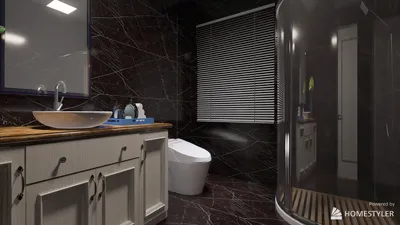


A small kitchen can effortlessly accommodate a table alongside a bench and two chairs without feeling overcrowded. When I design intimate dining spaces, I focus on maintaining circulation, selecting appropriate sizes, and creating versatile seating options. A rectangular table measuring 48 to 54 inches in length typically pairs well with two chairs and a bench, ensuring that pathways remain unobstructed; it's ideal to leave at least 36 inches of space around the table to facilitate easy movement. In both workplace and hospitality settings, I rely on guidelines that suggest 30 inches of personal space per person sitting and 18 inches of knee clearance—these measures help maintain comfort during meals.
Making decisions on scale is significantly enhanced by precise data. Research from Steelcase indicates that spatial comfort has a direct effect on perceived satisfaction and the performance of tasks; cramped environments tend to increase stress levels and shorten the time spent in common areas. The WELL v2 framework also highlights the importance of ergonomic reach zones and clear circulation routes for fostering healthier everyday use. By utilizing these standards, I first establish necessary clearances and then select the dimensions of the table, bench, and chairs to fit seamlessly within the available space, rather than forcing large furniture into a compact area. Furthermore, color psychology studies by Verywell Mind find that warm colors like yellows and terracottas enhance sociability, making them perfect for cozy eat-in kitchens, while cooler shades can help soothe overly vibrant spaces.
Why the combination of a bench and two chairs is perfect for compact kitchens
The bench efficiently utilizes space against a wall or window, allowing two chairs to be positioned on the opposite side. This mixed arrangement combines the practicality of the bench with the versatility of the chairs. If your kitchen experiences regular traffic (from the sink to the range and fridge), placing the bench on the less-trafficked side will help maintain an efficient work triangle. A sleek, low-profile bench with open legs adds visual lightness, while armless chairs can slide completely under the table when not in use, freeing up floor space.
Optimal dimensions, clearance spaces, and proportions for dining areas
For a party of four, a table measuring 30 by 48 inches fits well in many small kitchens. However, if you frequently have five guests, consider a table size of 30 by 54 inches along with a slimmer bench. It’s important to keep a clearance of 36 inches on the side where appliances are accessible and at least 30 inches behind each chair, allowing diners to stand up without bumping into cabinets. Typically, table heights range from 28 to 30 inches; select a bench height around 18 inches and a seat depth between 15 to 17 inches to ensure that shorter guests can sit comfortably. Chairs with seat heights of 18 to 19 inches are the best match. If you're experimenting with different layouts, using a room layout tool such as Homestyler can efficiently simulate the flow and sightlines in your space.
Choosing table shapes and bases: options include rectangular, round, and pedestal designs
Rectangular tables work particularly well in galley kitchens and along walls, with the bench positioned along the long side. Round tables can soften corners in tight squares and often pair better with a curved or backs-free bench. For areas with limited floor space, opting for a pedestal base minimizes the chances of chair legs and bench feet colliding, facilitating easy movement. In narrow kitchens, avoid deep aprons under the tabletop as open knee space takes precedence over the thickness of the table.
Creating a pleasant environment through lighting: temperature, glare reduction, and ambiances
Lighting plays a crucial role in transforming small dining spaces. Aim for ambient lighting of 200 to 300 lux for relaxed dining, and consider 400 to 500 lux for task lighting if the table serves dual purposes like meal prep or homework. Using warm white lighting in the 2700 to 3000K range is known to stimulate appetite and conversation. To minimize glare, place bulbs behind semi-opaque glass or fabric lampshades. If the table is located under a pendant light, ensure it is centered over the table and positioned 28 to 34 inches above the surface, allowing enough clearance for taller guests' sightlines.
Understanding color psychology and finishes that create the illusion of space
Finishes that reflect light can enhance the perception of openness. Light neutrals such as soft oatmeal or warm greige on the walls combined with a medium-tone wooden table help to reduce contrast, thus preventing visual clutter. Highly saturated colors should be limited to accents like seat cushions or table runners rather than large expanses. In line with color psychology, warm tones encourage social interaction, whereas cooler tones can help to calm overstimulation—find a balance by pairing warm textiles on the bench with cooler colors for your backsplash or cabinetry for a visual retreat.
Prioritizing ergonomics and human factors: ensuring comfortable seating in compact spaces
Comfort begins with the design of the seating. Benches should have a back angle of 5 to 7 degrees, or feature lumbar support if they are backless. There should be a gap of 10 to 12 inches between the edge of the table and the back of the bench, preventing shoulder discomfort. Chairs with curved backs made of breathable materials offer additional comfort for longer meals. If your household includes both children and adults, consider installing a slim footrest bar beneath the bench to alleviate the fatigue associated with dangling feet.
Acoustic comfort: reducing noise levels in small spaces
Smaller kitchens with hard surfaces can amplify sound. Placing a woven rug beneath the table (with low pile to manage crumbs) and using upholstered bench padding will help to absorb mid to high frequencies. Felt pads positioned under chair legs can further reduce scraping sounds. If your dining nook shares a wall with kitchen appliances, consider a fabric Roman shade or cork pinboard to dampen reverberation in a visually appealing manner.
Incorporating storage within benches: hidden possibilities
Benches with lift-up seats provide an excellent solution for storing linens and small items, thus freeing up valuable cabinet space. I recommend keeping the compartments shallow (around 6 to 8 inches) to maintain the ergonomics of the bench. If your bench is equipped with drawers, opt for full-extension slides with a soft-close feature to prevent injuries from protruding hardware. Painting the internals a lighter color enhances visibility.
Sustainable material choices and selection
When prioritizing durability, consider using solid wood or high-quality veneer with a waterborne finish. The upholstery of the bench should be stain-resistant, utilizing materials like solution-dyed acrylic or performance polyester that are easy to clean. For environmentally conscious choices, look for FSC-certified wood and low-VOC finishes. A linoleum or cork floor beneath the dining area adds both resilience and warmth while also softening noise levels.
Layout strategies tailored for various kitchen designs
- In galley kitchens: Position the bench on the dead wall opposite the primary cooking area. Use a narrow rectangular table and armless chairs that can tuck away completely.
- In L-shaped kitchens: Place the bench against the shorter wall while keeping the longer side accessible for cooking traffic.
- In U-shaped kitchens: Center a round table with a curved bench in the widest opening; a pedestal base is advisable.
- In open kitchens: Float a rectangular table with the bench positioned against a half wall or window, distinguishing the space with a rug and pendant lights.
Styling ideas to add character without overcrowding
Opt for a single, striking pendant light instead of several smaller fixtures to enhance the aesthetic. Keep centerpieces to a low profile, such as a shallow bowl or several bud vases lined up. Wall art works best in a slim diptych to elongate the bench visually. If your kitchen enjoys generous sunlight, consider adding a slender plant on the end of the table for life without overwhelming the space.
Practical tips for enhancing daily functionality
I prioritize measuring the push-back distance of chairs rather than the size of the table first. In narrower kitchens, I generally select a table depth of 30 inches and keep the chair seat depth between 18 to 19 inches. I also prefer bench cushions that come with zip-off covers alongside a non-slip base. For family use, tables with rounded corners help avoid bumps. When it comes to maintenance, I recommend a laminate or quartz tabletop for easy cleaning, while using wood on the bench to provide warmth.
Citing reliable sources for design choices
Effective layout decisions adhere to established principles about comfort and circulation. The WELL v2 framework emphasizes maintaining clear paths and ergonomic reach to ease strain, while Steelcase research links spatial quality with satisfaction and productivity—valuable insights even for compact dining areas at home. If you're looking for a quick way to visualize different layouts before making a purchase, try using an interior layout planner like Homestyler.
Common Questions
It’s recommended to maintain a clearance of 36 inches on main circulation paths and at least 30 inches behind chairs, which complies with standard comfort guidelines derived from workplace and home planning.
Yes, a pedestal base typically reduces leg collisions and facilitates the easy sliding of chairs and benches, which is especially advantageous in confined spaces.
For four diners, a starting size of 30 by 48 inches is a practical choice. If you require more space to move, consider stepping up to 30 by 54 inches with a narrower bench.
A low back on the bench can enhance comfort during extended meals. In tighter areas, backless benches provide visual lightness; lumbar cushions can be added for extra support.
Performance fabrics, such as solution-dyed acrylic or polyester, are stain-resistant and easy to clean. Look for options with removable, zip-off covers for convenience.
Typically, lighting should be 28 to 34 inches above the tabletop. This height reduces glare, preserves sightlines, and fosters even lighting throughout the space.
In square or U-shaped layouts, round tables help improve movement and lessen collisions in corner areas. Pairing them with a curved or backless bench is ideal.
Absolutely. Shallow lift-up compartments (about 6 to 8 inches deep) or soft-close drawers are excellent options, ensuring that hardware does not intrude into the knee space.
Using light neutrals on walls, a medium-tone wooden table, and warm accent textiles on the bench can enhance the overall ambiance. Warm colors promote a social environment while keeping more intense colors limited to smaller decorative elements.
To mitigate noise, incorporate felt pads beneath chair legs, a low-pile rug under the table, and soft window treatments to help absorb sound echoes.
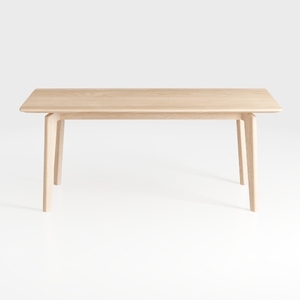
Hymus 100% Solid Oak Wood Desk - Small Writing Des


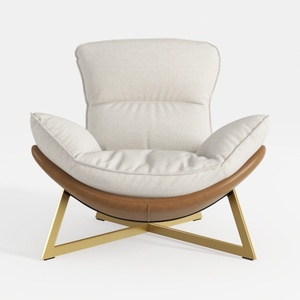
MARURY Modern Home Office Desk Chair, Single Sofa
Homestyler is your go-to online design platform for creating stunning home interiors. With its user-friendly design tool, impressive 3D renderings, a wealth of design projects, and engaging DIY video tutorials, you can effortlessly transform your vision into reality—whether you're a novice or a seasoned designer!
Projete agora para LIVRE
































