


The influence of color in workplace design is significant. It directs attention, crafts moods, and initiates behavioral cues without uttering a word. In my design initiatives, thoughtfully curated color palettes have improved focus in open office spaces, alleviated anxiety in client meeting rooms, and fostered collaboration in project areas, all while enhancing brand identity. The effects are tangible: research from Steelcase reveals that 29% of employees see their surroundings as a productivity hurdle, highlighting the role of visual comfort and color, while Herman Miller connects supportive environments with tangible improvements in task efficiency and overall wellbeing. Furthermore, WELL v2 emphasizes that visual comfort is key to occupant health, linking elements like glare, contrast, and color rendering to cognitive ease—underscoring the importance of color design in conjunction with quality lighting. Homestyler offers valuable tools to assist in choosing the right shades for your space.
A strategic approach to color should be grounded in human-centric principles. The findings from Verywell Mind on color psychology suggest that blue is often linked with stability and focus, green fosters balance and restoration, and warmer tones like coral and muted yellow evoke sociability and energy. These associations should be seen as tendencies rather than strict rules, and adjusted based on brand identity, the nature of tasks, and lighting conditions. In environments where correlated color temperatures (CCT 4000–5000K) are common, cool tints may appear more vibrant; however, if combined with high-contrast finishes and excessive glare, they may cause visual fatigue. Guidelines from WELL and IES stress that appropriate illumination (around 300–500 lux for typical office work) and glare management are essential for comfortable color perception; if done correctly, the color scheme can truly shine. Utilizing Homestyler can facilitate the selection of these perfect contrasts.
Creating a Color Palette with Purposeful Intent
I begin with behavioral zoning and then enhance each area with a tailored color palette. For focus spaces, I choose desaturated cool colors, such as slate or soft blue-grey along with low-chroma greens to stabilize heart rates and maintain attention levels. In collaborative spaces, I opt for softer neutrals like light taupe and oatmeal, accented with energizing tones such as ginger or terracotta, to encourage warmth in conversations. For reflection or phone areas, I utilize deeper colors (like ink blue or forest green) with matte finishes to minimize distractions and visual noise. Circulation paths should have easy-to-read contrasts with consistent wayfinding colors to prevent cognitive overload—tools like Homestyler can help visualize these zoning strategies effectively.
Lighting Must Take Precedence Over Color
The same color can appear drastically different under inadequate lighting conditions. Adhere to IES recommended office illumination levels and prefer high CRI or high TM-30 fidelity for accurate color representation; it's wise to avoid overly cool lighting in restorative zones. Ensure a mix of direct and indirect light, as color is most prominent on walls rather than work surfaces. If glare from windows or shiny floors is an issue, opting for matte wall finishes and textured panels can restore visual comfort and allow subtle color palettes to present as intended.
Balancing Contrast Ratios for Visual Comfort
While strong contrasts enhance legibility, they can be exhausting if overapplied. My preferred approach involves a 60/30/10 distribution: about 60% neutral background, 30% secondary tones, and 10% vibrant accents. Keep luminance contrast moderate between sizable areas to lessen edge glare, saving sharp contrast for signage and work-related displays. The visual experience requires rhythm; repeating accent colors at regular intervals throughout circulation spaces helps maintain cohesion without overwhelming the senses.
The Role of Materiality in Color Representation
Color behaves differently across various materials such as paint, fabric, wood, and metals. Matte finishes absorb reflections and can soften hues, while low-sheen cabinets present a sophisticated palette. Natural materials like white oak, ash, and walnut can provide a biophilic warmth that complements cool color schemes, preventing a sterile environment. Upholstery should moderate saturation; a muted teal wool blend conveys professionalism and durability compared to a bright synthetic alternative. If sustainability is a priority, using the Material ConneXion database can help find low-VOC finishes and recycled materials that consistently showcase color integrity.
Acoustic Comfort and Color Integration
Acoustic panels represent an excellent opportunity for color application. In collaborative areas, I recommend mid-range tone panels that are visually present without overpowering, while in focus rooms, darker absorbers (such as charcoal or moss) can help reduce both visual and auditory obstructions. This strategic dual approach not only lessens auditory stress but also enhances the visual landscape, aiding sustained concentration.
Brand Integration with Subtlety
When applying brand colors, it’s crucial to prevent them from overpowering the space. I typically tone down the saturation to 60–70% for expansive areas and reserve fully saturated hues for smaller accents like door handles, wayfinding markers, or stitching details on furniture. Complementary neutrals (such as greige or soft graphite) create a timeless aesthetic, allowing for brand differentiation without succumbing to fleeting design trends.
Color Schemes by Room Type
- For open offices: a cool-neutral environment (light grey, pale sage) with warm wooden accents and a single energizing hue comprising 10% of the palette. Ensure task lighting aligns with 300–500 lux and incorporates glare control to maintain color fidelity.
- In meeting rooms: mid-tone walls to accommodate camera-friendly skin tones; avoid stark white, which distorts on video. Add a balanced hue (like muted teal or terracotta) on a single wall behind the camera for an inviting presence.
- For focus booths: implement calming deep palettes (such as ink or olive) accompanied by low-sheen finishes and layered, adjustable lighting around 200–300 lux for times of privacy.
- Reception areas: create a dramatic yet controlled aesthetic by selecting one sculptural color accent against a neutral backdrop, for instance, a deep aubergine bench set against sand-colored walls, signifying identity without overwhelming the senses.
Testing and Adjusting Color Choices
I seldom proceed directly from swatches to paint. Instead, I recommend applying sample patches of 1 m² in the final lighting for a full workday observation and assessing their response on camera. If the layout is still in flux, utilizing a room design visualization tool, such as Homestyler, can assist in previewing color zoning and sightlines before finalizing any purchases.
Upcoming 2024–2025 Color Directions to Explore
- Soft technological neutrals: pairing foggy greys and putty beiges with warm metallics to create a modern yet inviting ambiance.
- Biophilic greens: incorporating gentle shades like sage, laurel, and eucalyptus to harmonize with green spaces.
- Earthy minerals: integrating terracotta, umber, and sandy hues to ground collaborative environments.
- Tranquil blues: utilizing shades like maritime, slate, and blue-grey for focus, while avoiding overly vibrant royal tones.
- Soft pastels: applying hues of powder, chalk, and blush in small doses at touchpoints to bring warmth to high-tech environments.
Understanding Ergonomics and Its Connection to Color
Ergonomics extends beyond posture; it includes visual strain. High-saturation backgrounds behind monitors can lead to eye discomfort. Position workstations against lower-contrast walls and choose task surfaces that are off-white or light grey to minimize reflected glare. WELL v2's visual comfort guidelines align with these principles by promoting control over luminance contrast, allowing for individual lighting adjustments, and ensuring consistent color rendering to alleviate adaptation stress.
Ensuring Maintenance and Longevity in Color Choices
Office color schemes should maintain their appeal over time. Opt for washable paints that are low in VOCs and have high scrub ratings, along with fabrics that are resilient against wear. Mid-tone neutrals can better cover scuffs compared to stark white. Consider implementing a refresh schedule: accent colors can be changed seasonally while base colors remain stable to sustain brand vibrancy without affecting operations.
Real-World Insights from Recent Projects
In a recent project for a technology client, we transitioned from stark white and a saturated brand blue to a fog-grey base, complemented by a diluted brand blue (65% chroma) as a narrow band, along with eucalyptus upholstery and walnut accents. Meeting rooms also adopted mid-tones that are camera-friendly. With lighting set under 4000K and high color fidelity, employee feedback reflected a noticeable improvement in focus and video presence within a month.
Frequently Asked Questions
Q1: Which colors enhance concentration in open office settings?
A: Softly desaturated tones—such as slate, blue-grey, and gentle greens—are conducive to focus. Research indicates that blue promotes stability and green aids restoration, making them solid foundations for focus areas when lighting and glare are properly managed.
Q2: How do different lighting levels influence color choices?
A: The perception of colors changes with varying illumination and CCT. Target about 300–500 lux for general tasks while ensuring high-fidelity rendering to keep hues accurate. Cooler lighting (4000–5000K) sharpens cool shades; warmer lighting softens them. Align your approach with IES guidelines and WELL visual comfort recommendations.
Q3: What is a sound ratio for utilizing accent colors effectively?
A: Limit accent colors to roughly 10% of the overall visual field. This ratio energizes the environment without causing fatigue. Apply higher saturation in smaller highlights and muted tones on larger surfaces to avoid overwhelming viewers.
Q4: Is it possible for brand colors to feature prominently without distraction?
A: Absolutely—just dilute larger applications to about 60–70% chroma, reserving bold colors for navigational aids or details. Pair these colors with calming neutrals to preserve balance and clarity.
Q5: Which colors work best in video-friendly meeting spaces?
A: Mid-range tone walls—like muted teal, taupe, or soft graphite—provide a complimentary backdrop for skin tones and prevent washed-out appearances on camera. Steer clear of stark white and very dark surfaces behind participants.
Q6: How do acoustics impact color selection?
A: Acoustic panels present excellent opportunities for implementing colors in mid-to-deep tones that visually quiet areas while managing reverberation. In focus rooms, darker shades enhance the tranquil atmosphere and privacy.
Q7: What eco-friendly finish options maintain color integrity?
A: Choosing low-VOC paints, sustainably sourced woods, and recycled textiles allows for enduring color presentation while supporting ecological initiatives. Resources like Material ConneXion can assist in finding materials that offer durability and consistent dye quality.
Q8: How can I assess colors before finalizing my choice?
A: Create large sample patches and observe them throughout a regular workday under your intended lighting. If your design is still evolving, consider using a room layout planner, such as Homestyler, to simulate sightlines and color zoning ahead of time.
Q9: Do warm colors always enhance collaboration?
A: Warm tones tend to encourage social interactions; however, moderation is key. Overly intense warm hues can lead to fatigue, while balanced neutrals with discreet warm accents generally yield better results.
Q10: What should I do if my space experiences a lot of glass glare?
A: Opt for matte finishes, employ deeper shades in glare-prone areas, and adjust lighting configurations. This approach diminishes reflections, allowing the subtleties of the color palette to be appreciated accurately.

Modern Marble Top Fluted White Solid Wood Round Coffee Table 3D Model

side table_101S-CT1002-101 Stories
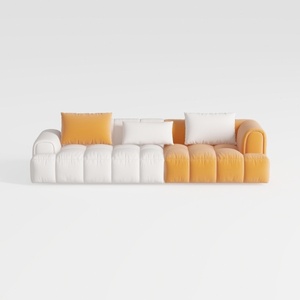
Modern Two Tone Fabric Sectional Sofa With Throw Pillows 3D Model
Homestyler is your go-to online platform for home design! With its user-friendly design tool, stunning 3D renderings, and a wealth of inspiring design projects and video tutorials, you can easily create and visualize your dream spaces. Transform your home today with Homestyler!
Projete agora para LIVRE
































