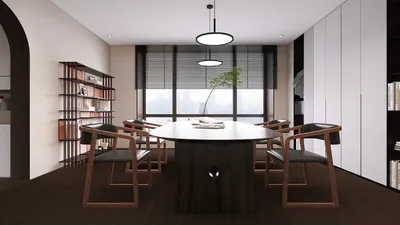


In both residential and workplace designs, I've utilized an extensive range of green hues, and there's a strong rationale behind it: green connects us to nature, encourages visual tranquility, and complements modern materials beautifully. The perfect green tone can soften harsh sunlight, enhance the richness of wooden textures, and serve as an elegant backdrop for artworks and fabrics. However, if the selection is mishandled, it might come off as overwhelming or dull. When executed correctly, green provides a timeless elegance.
Research consistently highlights the beneficial effects of green. The WELL v2 framework advocates biophilic designs that alleviate stress and enhance satisfaction for occupants through natural elements, including colors and plant integration, as noted in the WELL v2: Mind and Light principles. A study by Steelcase found that environments reflecting natural characteristics promote well-being and engagement—this insight aligns with biophilic design principles, which are frequently represented through green tones in various finishes and paint options. These findings directly shape my approach to specifications, from selecting color palettes to calibrating lighting. In spaces like living rooms and home offices, greens effectively mitigate visual strain when combined with appropriate illumination levels as recommended by IES for both task and ambient lighting.
Many clients inquire about the starting point for their designs. I initiate the process by considering three main factors: the orientation of natural light, the mood to be created, and the materials that will accompany the design. For instance, rooms with a north-facing aspect tend to be cooler, while south-facing areas tend to be warmer. This understanding allows me to refine the selection of greens: utilizing cool sages and blue-greens in brighter southern rooms that require a calming effect; while incorporating warm olive and moss shades in dim northern spaces that benefit from increased warmth. In compact settings or multifunctional areas, I utilize a room layout tool to evaluate sightlines and wall emphasis before settling on a specific paint color—strategically planning the placement of saturation can lead to saving time and resources in the painting process.
Selecting the Ideal Shade of Green
I categorize greens into four distinct families, each designed with specific spatial goals in mind:
Lighting: The Key to Elevating the Appearance of Green
Green is particularly responsive to the quality of lighting. I consider three main factors: level of illumination, color temperature, and glare impact. For living areas, I target an illumination level of 200–300 lux and for task-focused workspaces, 500 lux as per IES recommendations, balancing diffuse ceiling lights with wall washers to avoid uneven patches. Warmer LED lights (ranging from 2700–3000K) enhance the aesthetics of olive and moss shades, while neutral whites (3500–4000K) help maintain the crisp look of sages without dulling them. A slightly higher Color Rendering Index (CRI of 90+) preserves the subtlety across undertones, which is particularly crucial when working with deeper forest greens. Wall washers and picture lights can build gentle gradients that enhance the sense of depth in painted surfaces.
Finish Choice: Matte, Eggshell, or Satin?
The choice of finish can significantly influence the success of a green room. Matte finishes minimize glare and look richer under low-light conditions. I typically favor eggshell for living spaces—it conceals minor flaws and is easy to clean. Satin provides durability for kitchens and children’s areas, but be mindful that it reflects more light; thus pairing satin finishes with softer greens and diffused lighting works best. In the case of darker greens, avoid high gloss finishes unless the wall is perfectly smooth, as gloss surfaces can highlight any imperfections and quickly appear theatrical.
Understanding Color Psychology and Its Impact on Behavior
Green is known to foster calmness and alleviate visual strain after prolonged screen usage. Verywell Mind indicates that green tones are often linked to feelings of tranquility and stability, mirroring natural surroundings that help reduce stress. In my projects, painting home office walls in sage can minimize visual distractions and sustain focus, while olive dining rooms promote prolonged, enjoyable meals. For creative spaces, a muted teal can stimulate brainstorming sessions without triggering anxiety-inducing saturation.
Material Combinations: Crafting a Harmonious Palette
My approach to palette creation emphasizes tactile contrasts. With sages, I recommend pairing them with materials like ash or white oak, rattan, raw linen, and honed stone. For olives, consider options like walnut, terracotta, boucle, and oil-rubbed bronze. In contrast, with teal choices, materials such as maple, powder-coated steel, cotton twill, and matte ceramics work well. When dealing with forest greens, blackened steel, veined marble, leather, and wool complement beautifully. Always choose warm whites (off-whites instead of stark whites) around olive tones and neutral whites around sage options. Introducing one cool metal along with one warm natural fiber creates a balanced temperature throughout the space.
Strategic Layout: Optimal Placement for Green
A dominant green hue is most impactful when applied to the longest uninterrupted wall, wrapping around corners to provide a seamless look. In smaller areas, consider painting the ceiling a lighter version of the wall color to blur edges and create an illusion of height. For open-concept layouts, tools like Homestyler help simulate and visualize distinct areas: a library niche painted in forest green can provide balance to a lighter living room; a sage corridor can create a cohesive architectural ribbon connecting various spaces.
Enhancing Acoustic Comfort and Visual Dynamics
Deep matte greens excel at absorbing light and reducing perceived sound reflection as they minimize glare. It’s advisable to pair these greens with soft materials—such as wool rugs, acoustic panels, and upholstered furniture—to better manage noise in open spaces. Utilize a rhythm with color: alternating green walls with neutral spaces to avoid overwhelming the visual field. The human eye appreciates moments of rest; thus, arranging vibrant moments like intervals in music can be effective.
Sustainable Choices and Health Considerations
Opt for low- or zero-VOC paints and double-check emissions certifications to prioritize health. In heavily used areas, opting for durable finishes can extend the life of the paint and reduce the need for frequent touch-ups. When introducing indoor plants, ensure they're positioned away from walls to prevent soil stains; using shelves or plant trays preserves finishes while allowing the biophilic perks associated with enhanced mood and productivity highlighted by WELL principles.
Practical Tips Based on On-Site Experience
Always sample at least three color swatches on primed walls, observing them throughout different times of the day with various lighting scenarios. Crisp edges on ceiling lines are vital—greens tend to highlight any imperfections. If a room faces intense southern sunlight, consider reducing your desired color saturation by one notch; otherwise, the natural light will amplify it. In darker rooms, contemplate a warmer olive hue and focus on layered lighting instead of pursuing brightness solely with cooler colors.
Common Inquiries
A soft sage or light eucalyptus in matte or eggshell finishes works well, as these colors recede visually, diminishing glare and creating a more expansive feel in smaller spaces.
Warm white lights set at 2700–3000K are ideal. They maintain olive tones without making them appear murky, preserving a cozy ambiance. Use diffuse light fixtures and wall washers to help brighten shadows.
Yes, provided that lighting is managed effectively. A rich forest green can be utilized, aiming for 300–400 lux of ambient lighting combined with lamps featuring a CRI of 90+ to maintain contrast with lighter textiles and trims.
Choose greens that have yellow undertones (such as olive or moss), and pair with warm wood tones and brass elements—keeping LED temperatures at or below 3000K enhances this effect. Additionally, warm off-white ceiling colors contribute to cohesion.
Ash or white oak, along with linen, honed limestone, and brushed nickel, combine to create a calm, modern palette that adapts well to various lighting conditions.
Absolutely. Sage or soft blue-green colors support focus and help minimize visual clutter. Targeting 500 lux for task lighting paired with neutral 3500–4000K lamps will suffice for screen-related tasks.
It varies. Use warm off-white tones for olive shades, neutral whites for sage, and slightly muted whites for teal. Ensure consistent sheen: eggshell for walls paired with satin for trims will have a crisp effect.
Prepare a 2×2 ft area on each wall, applying two coats of selected colors, and monitor them over a 48-hour timeframe. Consider variations under both daylight and evening lighting to assess color shifts in undertones.
Not at all—plants typically enhance the ambiance. Ensure leaves aren’t touching walls and employ trays to protect surfaces. The addition of greenery complements the overall aesthetic while enhancing well-being—one of the core benefits of biophilic design.
Select balanced mid-tone greens, like sage or muted teal, keeping color temperatures near 3500K, and develop a layered lighting scheme to stabilize the perception of colors.
Yes, a single teal or forest-green wall behind a sofa or bed can impart depth, especially when balanced with neutral adjacent walls and echoed in textiles throughout the space for a unified look.
If the room loses contrast and feels overly heavy at night, consider desaturating the chosen hue by one measure or limit the green to fewer surfaces. Maintaining lighter, neutral areas can provide balance.
When harmonious with lighting and materials, green evolves from mere “paint” to a powerful and understated backdrop—calm yet assertive and enduring. Start by assessing room orientation, let IES lighting guidelines steer your design, and enrich texture around your selected hue. That's how green seamlessly integrates into a thoughtfully composed environment, especially with tools like Homestyler enhancing the process.


Homestyler is an incredible online home design platform perfect for anyone looking to create their dream space. With its user-friendly design tool, stunning 3D renderings, and an extensive library of exciting design projects and video tutorials, you'll find everything you need to inspire and guide your home design journey!
Projete agora para LIVRE
































