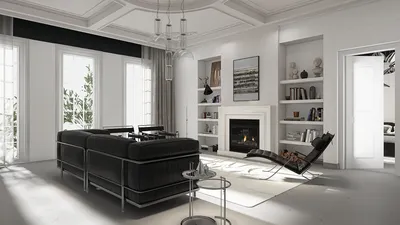
Defining a small house involves several considerations, influenced by factors like location, lifestyle choices, and personal taste. While the specifications may differ, certain general criteria can help categorize what constitutes a small house:
Square footage: Generally, a small house is recognized as having less than 1,000 square feet of space, although some individuals might consider homes up to 1,500 square feet as small.
Number of rooms: A typical small house consists of one or two bedrooms, a bathroom, and a living area, often including a kitchen and dining space as well.
Multi-functional areas: Small homes frequently feature adaptable spaces that can serve various purposes, such as acting as a living room, bedroom, and dining area simultaneously.
Advantages and Disadvantages of Small Houses
Recently, small houses have gained traction among those seeking a more straightforward and cost-effective living situation. The benefits include:
Nevertheless, residing in a small house does come with challenges, including limited storage availability and potential privacy issues.
FAQs
Q: Are tiny houses the same as small houses?
A: Not exactly. Tiny houses are typically classified as being less than 400 square feet, while small houses can extend from 400 to 1,500 square feet in size.
Q: Are small houses generally more economical than larger ones?
A: Yes, small houses are usually more affordable due to their reduced material requirements and lower costs for maintenance, heating, or cooling.
Interested in embarking on your small house adventure? Explore Homestyler for innovative design tools and inspiring ideas!