

Direct Answer
Burl wood furniture is crafted by harvesting unique tree growths called burls, which are then sliced into slabs or veneers. These pieces are stabilized and meticulously transformed into furniture like tables and cabinets. Due to the unpredictable grain patterns created by tree stress or damage, each item is one-of-a-kind. The rarity and challenging production process contribute to the high value and cost of burl wood furniture.
Quick Takeaways
Introduction
After participating in numerous luxury home projects, I've observed that while clients instantly appreciate the allure of burl wood furniture, few understand its origin and fabrication. The swirling patterns resemble sculptures, often misleading people to think it is merely an ornamental wood species.
Contrary to this belief, burl wood results from unusual natural growth that transforms standard trees into rare, sought-after materials. Crafting these intricate patterns into polished furniture demands exceptional expertise beyond typical woodworking.
In recent designs, we employed digital planning tools to preview layouts before selecting burl pieces. Such visualization platforms, including Homestyler, are particularly valuable for placing these artistic furniture items, which often serve as focal points in spaces.
This article explores the full burl wood furniture creation process—from its tree formation to artisanal finishing techniques that yield luxury pieces.
save pin
What Exactly Is Burl Wood and How Does It Form
Key Insight: Burl wood emerges when a tree develops irregular growths causing grains to twist and curl unpredictably.
Burls are natural deformities typically triggered by stress factors such as wounds, fungal infections, insect attacks, or environmental pressures. Unlike normal lumber with straight fibers, burl fibers grow chaotically, creating captivating, unique grain designs.
This distinctive growth pattern is what makes burl wood so visually desirable.
Common tree species producing prized burls include walnut, maple, redwood, oak, and myrtle.
Research from the U.S. Forest Service indicates that burl growth is rare and random, which explains the scarcity of burl wood compared to standard hardwoods.
Interestingly, burls are usually found attached to the sides or base of trees rather than the main trunk.
Where Burl Wood Is Sourced Around the World
Key Insight: The most sought-after burl wood originates from regions where specific tree species naturally develop substantial burls.
Not every burl is suitable for furniture; many are too small, cracked, or structurally unsound. High-quality burl wood typically comes from mature forests with large trees.
Prominent harvesting areas include parts of North America, Europe, and Asia known for old-growth forests.
Furnishing workshops often face challenges procuring sizeable burls, sometimes waiting years for optimal pieces fit for statement furniture like dining tables.
This rarity influences design approaches, with many homeowners using digital tools like Homestyler to simulate layouts and room flow before committing to a burl wood centerpiece.
How Craftsmen Turn Burl Logs Into Furniture
Key Insight: Milling burl wood requires greater care than standard lumber due to its unpredictable grain orientation.
Following harvest, burl wood undergoes labor-intensive steps including drying, cutting into slabs, stabilization, and finishing before it becomes furniture.
Typical production involves working around knots, voids, and unique natural imperfections instead of eliminating them, as these traits are celebrated in high-end furniture.
Many artisans consider these irregularities the hallmark of burl wood’s character.
save pin
Burl Veneer vs Solid Burl Wood Construction
Key Insight: Burl furniture commonly features veneer over a stable foundation, since solid burl pieces tend to be unstable and prone to warping.
This misconception that solid burl wood is superior overlooks the practical challenges of working with large solid burls, which can crack or distort due to their irregular grain.
Therefore, top-tier furniture often uses thin burl veneers affixed to sturdy cores like plywood or hardwood to balance durability and aesthetics.
Comparison:
Luxury manufacturers—especially in high-end hospitality—favor veneer construction for expansive tables and cabinetry.
save pin
Why Burl Wood Furniture Is Considered Luxury
Key Insight: The luxury status of burl furniture stems from its rarity, significant material waste during milling, and the intensive craftsmanship required.
Several aspects elevate burl wood into the luxury category.
Designers often regard burl wood as a natural art form, where each slab's unique pattern impacts the entire interior aesthetic.
When planning a space centered around a burl piece, visualization tools such as Homestyler help clients assess scale, lighting effects, and material coordination before purchase.
Answer Box
Burl wood furniture commands a premium price because burls are rare, difficult to process, and need precise stabilization to preserve their dramatic grain. Most items utilize burl veneer over solid cores to prevent cracking while showcasing the wood’s distinctive patterns.
Sustainability and Ethical Sourcing of Burl Wood
Key Insight: Ethically sourced burl wood commonly comes from fallen trees or controlled forestry methods instead of harvesting healthy ones solely for burls.
Sustainability is a vital consideration in current furniture production.
Responsible sourcing practices include selecting reclaimed wood, using byproducts, and adhering to forestry certifications.
Organizations like the Forest Stewardship Council (FSC) provide standards adopted by premium manufacturers to ensure sustainable harvesting.
Design strategies emphasize using burl wood sparingly as a statement element rather than throughout an entire room.
A single, well-placed burl item—such as a dining table or console—is often more impactful than excessive use across a space.
save pin
Final Summary
FAQ
1. What is burl wood in furniture?
Burl wood is derived from abnormal tree growths producing intricate, swirling grain patterns that make furniture visually distinct.
2. How is burl wood furniture made?
The process includes harvesting, slow drying, cutting into slabs or veneers, stabilizing, sanding, and finishing to enhance unique grain features.
3. Why is burl wood furniture costly?
Due to its rarity, challenging processing, and craftsmanship demands, much material is lost during preparation, inflating costs.
4. Is burl wood solid or veneer?
Many pieces use veneer overlays on stable cores because large solid burl slabs can warp or crack.
5. Which trees produce burl wood?
Common sources are walnut, maple, redwood, oak, and myrtle trees.
6. Is burl wood sustainable?
Yes, when obtained from fallen timber, reclaimed sources, or responsibly managed forests.
7. Can burl wood crack easily?
Yes. Its chaotic grain can cause instability if not dried and treated properly.
8. What furniture uses burl wood?
Popular items include dining tables, cabinets, consoles, desks, and decorative panels.
References
U.S. Forest Service Wood Handbook
Forest Stewardship Council Certification Standards
Journal of Wood Science Research on Burl Growth Patterns
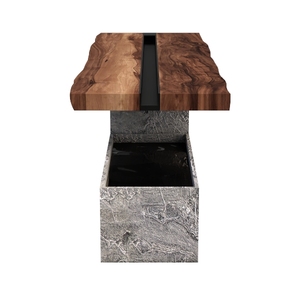
Rustic Live Edge Solid Wood Concrete Console Table 3D Model

Rustic Solid Wood Dining Table 3D Model
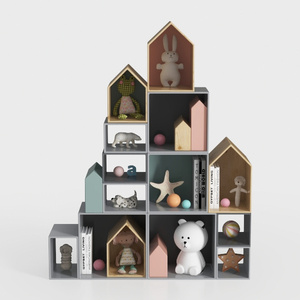

Modern Pastel Solid Wood Kids Display Shelf Storage 3D Model
Homestyler offers an easy-to-use online design tool with stunning 3D renderings, inspiring interior projects, and helpful DIY video tutorials—perfect for turning your home design ideas into reality quickly and beautifully.
Projete agora para LIVRE
































