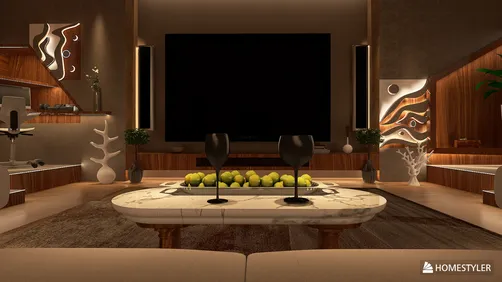
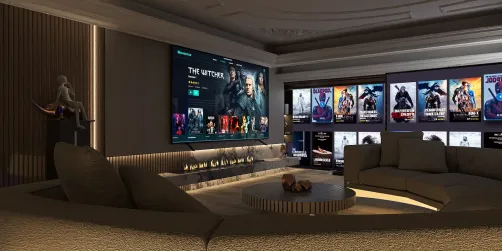
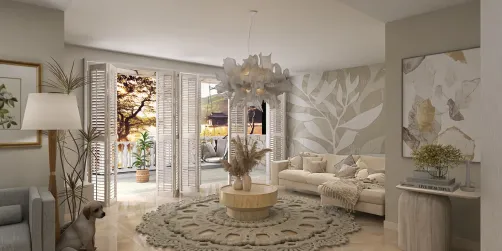
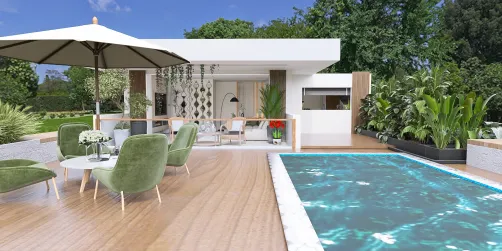
For over a decade, I have been involved in planning, styling, and executing events in South Delhi, with Vasant Kunj proving time and again to be an ideal choice. It boasts easy access from the airport, a robust selection of hotels, and diverse venues situated along well-connected roads. When selecting banquet halls in this area, remember that a beautiful chandelier isn't the only consideration. Factors such as capacity management, sound quality, lighting options, traffic flow, and service accessibility significantly influence guest satisfaction, often more than any decorative feature.
The design of events should be rooted in evidence, especially concerning scale and comfort. A comfortable dining experience typically requires 10–12 square feet per guest for appropriate circulation; also, dining spaces should have an air change rate that exceeds 1.2–1.5 per hour to maintain thermal comfort during peak times. Guidelines from WELL v2 suggest an ambient light level of 300–500 lux for social areas, with a color temperature between 2700–3000K that enhances skin tones and food presentation (source: WELL v2 Lighting Concept). Research from Steelcase indicates that a balanced environment of light, acoustics, and ergonomics increases both satisfaction and the duration of stay, which are vital for gatherings and celebrations (steelcase.com/research).
When considering color and ambiance, using warm-neutral base colors paired with rich accent shades creates an inviting atmosphere without causing visual fatigue. According to Verywell Mind's color psychology insights, warm hues enhance social interactions, though excessive red can increase excitement—ideal for entry areas, but less effective for dining setups where a relaxed conversation is sought.
How to Choose the Best Banquet Halls in Vasant Kunj
My selection process is based on six essential factors: capacity and space dimensions, sound isolation, control of lighting, logistics for service, accessibility and parking, and adaptability for various event types. For more intricate layouts—such as multiple food stations, a stage, a dance area, photo opportunities, and bar sections—I utilize a room layout tool to foresee traffic issues and ensure sightlines are unobstructed. Consider using an interior layout planner to efficiently evaluate table arrangements, stage locations, and buffet configurations: it's a great tool for planners.
Top Recommendations: Banquet Venue Options and Their Ideal Uses
Suitable for 250–600 guests: Look for venues with clear heights ranging from 22 to 28 feet to allow for impressive décor without overheating. Rigging points are essential if you are considering truss lighting for performances. Aim for a reverberation time of 0.6 to 0.8 seconds with soft furnishings, as heavy drapes and carpet layers can help manage sound for live performances. Ensure that the venue offers a dimming system that smoothly transitions from 1% to 100% across all ambient and decorative lighting circuits.
Ideal for 120–350 guests and works well for indoor and outdoor flow. It's crucial to prioritize level transitions, non-slip flooring, and a canopy height of at least 12–14 feet to mitigate heat buildup. Employ 2700K festoon lighting combined with targeted 3000K pin spots focusing on centerpieces; also, ensure a warm spectrum is insect-safe for food areas. Always have a weather backup plan, such as a clear-span marquee and sidewalls, with ample generator capacity to manage HVAC needs if the pavilion is enclosed.
Best suited for 80–200 guests and pre-events. These venues tend to be cost-effective but often need careful acoustic design and décor layering. Consider adding soft panels behind the stage, carpet tiles beneath dance floors, and ceiling baffles if the venue features hard surfaces that might create echoes. Check access routes as well—residential-sized elevators may necessitate alternative vendor entry plans.
Convenient for guests traveling from afar and working with tight schedules. Hotels frequently provide in-house audiovisual services and organized service flows, including behind-the-scenes corridors for efficient catering. Verify that column spacing is adequate; centers under 24 feet can impede views for large LED displays. Request a power single-line diagram and check the phase capacity to avoid unforeseen generator expenses.
Capacity and Layout: Ensuring Accurate Numbers
For banquet-styled seating, round tables of 5 feet can comfortably accommodate 8 guests, or up to 10 in a pinch. When planning for a dance floor and stage, estimate 12–14 square feet per guest; for theater settings, 6–8 square feet is usually sufficient. Main aisles should be 5–6 feet wide, while secondary paths can be adjusted to 3–4 feet. The bar should remain within a distance of 25–35 meters from the dance floor to sustain energy and prevent crowd blockages at entrances. If navigating multiple areas, simulate traffic flows using a layout planning tool before finalizing your décor—an interior layout planner can help you test seating counts, buffet logistics, and greenroom setups.
Creating a Visually Appealing Lighting Plan
Aim for an ambient light level between 300–500 lux at a color temperature of 2700–3000K. For facial illumination, target 50–150 lux vertical lighting at 3000K to enhance skin tones in photography. Stage lighting should be set to between 800–1200 lux with key lights in the 3200–3600K range, ensuring a Color Rendering Index (CRI) of 90 or higher for accurate attire colors. Avoid uncontrolled RGB lights, reserving them for dance sequences while keeping backgrounds cooler to enhance subject separation in photos. Provide uplighting that is glare-free, and incorporate dim-to-warm channels for evening dining services.
Managing Acoustics and Music Effectively
Common materials in South Delhi venues include hard marble and glass, which can produce an echo. Counter this with carpet underlays, textile backdrops, and table linens equipped with sound-absorbing properties. Aim for a reverberation time (RT60) below 0.9 seconds for clear speech communication. For live music, position subwoofers away from corners to minimize bass buildup, and ensure that speakers are situated far from reflective walls. If you plan to utilize movable partitions, check their Sound Transmission Class (STC) ratings and request a live demonstration during your venue visit.
Focusing on Guest Comfort: Ergonomics and Service Flow
Chairs designed with a seat height of 17–18 inches and a depth of 16–18 inches provide support for extended seating. Food stations should ideally allow for three-sided access while ensuring a 4-foot clearance for queuing patrons. Keep photo booth lighting diffused to prevent eye strain among seated guests, and set bridal suites with 500 lux task lighting at mirrors complemented by neutral 3500K illumination for optimal makeup conditions. Restrooms should be located no more than a 60–90 second walk from the main hall, with clear signage directing guests.
Catering, Power, and Back-of-House Considerations
Confirm a dedicated service entry, staging area for plating, hand wash stations, and waste disposal paths that avoid guest movement areas. For electrical power needs, ensure dual-source backup systems are in place alongside clean power for LED walls and sound systems. Kitchens should be constructed with exhaust systems that are separate from guest areas, and if feasible, conduct a smell assessment during a live event.
Planning for Delhi's Seasonal Weather Conditions
Winter events necessitate vestibules or air curtains at entry points to block drafts; provide outdoor heaters at a ratio of 1 per every 10-12 guests in lounge areas. During summer nights, steer clear of blacktop surfaces and utilize evaporative cooling methods only if humidity concerns are manageable. Always factor in shading solutions to mitigate sunset glare for west-facing outdoor spaces.
Budgeting Tips: Where to Invest and Where to Economize
Focus financial resources on soundproofing, lighting quality, and guest movement facilitation. Conserve budget by reusing essential floral elements, concentrating standout installations near entrances and stages, and selecting linens that provide a lift with minimal extra embellishment. Consider adaptable stage backdrops that can transition between ceremony and celebration with lighting effects rather than requiring a complete redesign.
Essential Site Visit Checklist (Vasant Kunj-Based)
Suggested Floor Plans for Common Guest Counts
For 15 rounds seating 8 each, with a 16x20 ft stage and a 16x16 ft dance floor, position 2 bars on either side of the pre-function area. The buffet design should resemble a U-shape with 4 feet wide aisles. Utilize a room designing visualization tool to preview camera angles and the scale of décor before committing to rentals.
For 28 to 30 rounds of 10, place a central dance floor measuring 20x24 ft, with a catwalk aisle for guest entries. Include two satellite food islands to manage queues, and a photo wall positioned opposite the bar for crowd distribution.
A combination of round tables and cocktail tables around a larger 24x28 ft dance floor, with a dual-stage setup for performances and speeches. Incorporate perimeter lounges to decrease chair usage without sacrificing comfort.
Vendor Coordination and Timelines to Follow
Secure the venue and primary vendors (catering, décor, audio-visual) a minimum of 4 to 6 months in advance for peak event periods. Share scaled diagrams early in the process and organize a focused 30-minute lighting setup session with your photographer to align color temperatures. Rehearse entry motions for the couple and cue sheets with the DJ/MC to streamline transitions between program segments.
Frequently Asked Questions
For seated dinners featuring a stage and dance floor, plan for around 12–14 square feet per guest. For theater layouts, 6–8 square feet per guest is sufficient.
Maintain ambient lighting around 300–500 lux at a color temperature of 2700–3000K, incorporating 800–1200 lux on stage features with CRI 90+ fixtures, while keeping 50–150 lux vertical lighting on faces for clear visibility.
Employ soft carpets with substantial underlays, fabric backgrounds, comfortable seating arrangements, and ceiling baffles. The goal should be to achieve an RT60 below 0.9 seconds for optimal speech clarity.
A standard 5-foot round table offers comfortable seating for 8; if needing a tighter fit for 10, modify centerpiece sizes and widen aisles to 5–6 feet.
Position the bar conveniently within a distance of 25–35 meters to keep the energy lively without blocking entrance or buffet access.
Use warm lighting, set at 2700–3000K for overall atmosphere; for stage lighting, aim for 3200–3600K. Avoid cool white lights on faces during meal service to maintain a flattering presentation.
Ensure your marquee is clear-span with removable sidewalls, wind protection, drainage matting, and sufficient generator capacity to support lighting and cooling requirements if necessary.
Book your venue at least 4–6 months ahead of major weekends, as top-tier hotel ballrooms may require even more notice.
Conduct a thorough walkthrough of your key family tables and couple entry paths to confirm sightlines and eliminate potential bottlenecks in aisle flow.
Request the venue’s power diagram, verify clean circuits for audiovisual systems, and confirm dual-source backup setups for crucial electrical loads.
Discover the ease of home design with Homestyler! This user-friendly platform offers a powerful online design tool, stunning 3D renderings, and a treasure trove of DIY video tutorials. Whether you're a novice or an expert, bring your creative ideas to life effortlessly!