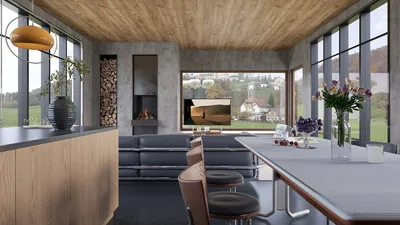


I am particularly fond of corner pieces that serve a dual purpose—especially in a drawing room where welcoming feelings, elegance, and movement must harmoniously coexist. A thoughtfully selected corner rack can transform an overlooked space into an eye-catching feature, effectively blending storage with aesthetic appeal while maintaining an open atmosphere. When executed correctly, it enhances the way people live: providing easy access to everyday essentials, maintaining an unobstructed view, and showcasing a personalized style that reflects character.
Utilizing data to inform your design choices is far superior to relying on intuition alone. According to Gensler’s Workplace Survey, there's a strong link between visual clarity and well-defined areas, which contributes to an enhanced user experience and perceived efficiency in shared spaces; similar concepts hold true for living and reception areas. Establishing clean boundaries minimizes visual chaos and increases comfort levels. Lighting also plays a crucial role; the Illuminating Engineering Society suggests maintaining a range of 150–300 lux in living areas, enriching task spaces for reading or highlighting displays. This range ensures your corner rack remains visually appealing without overshadowing intricate textures; artful objects thrive best in a warm light spectrum of 200–300 lux. Moreover, the WELL v2 Light concept accentuates the importance of reducing glare and employing layered lighting which bolsters natural biological rhythms. Strategic corner accent lighting and shielded LEDs can subtly illuminate shelves without causing glare in the seating area, allowing the corner to shine without interference.
Color psychology subtly but significantly influences a room's atmosphere. Soft neutrals and muted greens are known to create a calming and grounding environment, while a singular vibrant touch (be it cerulean, ochre, or terracotta) captures attention towards highlighted items. Research observed by Verywell Mind indicates that hues like blue and green can effectively lower stress levels and promote relaxation, making them ideal for social spaces where conversations and moments of pause occur. When I choose a finish for a corner rack, I take into account the room’s prevailing temperature: black metal accents amplify the contrast in lighter rooms, while mid-tone oak seamlessly complements earthy palettes, particularly when adorned with elements such as the Homestyler interface for virtual design.
Selecting the Perfect Corner Rack
Begin with scale in mind. A good guideline in drawing rooms is to ensure that the height of the rack stands at around 70–90% of the adjacent wall height to maintain a visually grounded presence, or at 50–60% for a lighter visual impact. The depth should ideally range from 10–14 inches to prevent hindrance to movement, especially around door openings and key pathways. I also advise allowing at least 36 inches of clearance to the nearest seating area; any closer may create an uncomfortable, cramped feeling.
When dealing with a tight or asymmetrical layout, it's wise to measure clearances before making a purchase. A practical way to simulate various arrangements and angles is through a room layout tool, which allows for planning furniture placement and pathways. Ensure that the shelves align with natural sightlines—eye-level shelves are best for displaying important items, while lower tiers can effectively conceal baskets or tech devices.
Material and Finish Considerations
The materials you select set the ambiance and dictate maintenance requirements. Powder-coated steel offers a sleek, modern profile and high resilience—great for families or those who entertain frequently. Solid oak or its veneer version brings warmth; walnut presents a more formal look and beautifully complements brass accents. In compact areas, opt for glass or acrylic shelves to minimize visual heft, but pair them with a slender, dark frame to maintain a clear edge definition. If your space has lively acoustics with many hard surfaces, consider adding softer items to one or two shelves: felt storage bins, linen-wrapped boxes, or even a perforated wood panel can help manage sound reflections in that corner.
For environmentally conscious choices, prioritize FSC-certified woods, low-VOC finishes, and modular designs that can be reconfigured or repaired. If plant displays are included, select water-resistant surfaces or trays, as nothing diminishes a corner's appeal faster than degraded veneer.
Light, Color, and Display Guidelines
Strategic accent lighting can elevate even a simple rack to a curated showcase. I recommend placing a 2700–3000K LED strip beneath select shelves, covered with a diffuser to eliminate glare in seating areas. Aim for an illuminance level of around 150–200 lux at the shelf level, ensuring that objects emit warmth without appearing sterile. The IES guidelines advocate for softer luminosity in living areas, while task zones can receive brighter lighting as necessary.
When it comes to color, approach the rack as if it were a miniature gallery. Implement a 60/30/10 formula: 60% neutrals serve as the background and shelving, 30% harmonious tones across books and decorative boxes, and 10% striking accents. This method creates a visually soothing corner while still allowing for expression. Changing items seasonally—bright ceramics in the spring or darker hues in the fall—injects vitality into your corner without necessitating a complete overhaul of the space.
Ergonomics and Everyday Use
A corner rack must function effectively while still looking stylish. Items that are frequently used should be placed within 24 to 54 inches from the floor—this range fits comfortably within the reach of most adults. Heavier items should be positioned lower for stability and safety. If the rack is located near primary seating areas, it's advisable to keep the top shelf beneath eye level to avoid creating a bulky presence during conversations.
Cabling considerations are crucial if you are displaying smart devices, sound systems, or decor with built-in lighting. Conceal power cables behind vertical supports and attach them using adhesive guides; dedicate a lower shelf as the power hub and ensure ventilation at the back if housing electronics.
Design Strategies for Various Room Types
It’s best to opt for a triangular or quarter-circle shape with a maximum depth of 11–12 inches. Lean toward verticality with 5–6 slender shelves. To enhance light and depth, consider mirroring the wall behind the top shelf, while being careful to minimize reflections to prevent a cluttered feel. Utilize an interior layout planner to check sightlines around doors and windows prior to finalizing your layout.
Floating a tall corner rack between two differentiated spaces—such as living and dining—can effectively delineate the transition. Repeating materials from each space on the shelf (for instance, integrating dining chairs’ oak color with the living room’s black metal) creates a cohesive visual connection. To maintain a sense of calm in high-traffic areas, keep the bottom 18 inches solid with closed storage options.
Consider walnut or dark-stained oak frames with brass or patinated hardware. Group objects by their material family—such as crystal, ceramics, or leather-bound books—to enhance coherence. Employ warm 2700K-focused lighting with a narrow beam to spotlight one or two standout pieces on each shelf.
Acoustic and Behavioral Insight
Corners can produce disruptive echoes if both adjacent walls are hard surfaces. To mitigate this, introduce textured items—such as woven baskets, matte ceramics, or a soft pinboard panel on the inner side of the rack. If your drawing room frequently hosts conversations, it's wise to avoid glass shelves loaded with clattering objects near seating arrangements; sound can become tiring during longer gatherings.
Safety, Stability, and Upkeep
Always secure tall racks to the wall studs. In households with young children or pets, opt for deeper lower shelves or employ enclosed bins to ensure a stable center of gravity. For finishes, satin or matte options do a better job of concealing fingerprints compared to glossy surfaces. Regular light dusting should be performed weekly, along with a thorough seasonal refresh—rotate decor, rejuvenate plants, and check LED strips along with power management.
My Top Picks: Effective Corner Rack Styles
- Minimalist metal ladder rack: A slender profile perfect for tight spaces. Incorporate wooden shelves for added warmth.
- Triangular oak unit with adjustable shelves: Grants flexible arrangements for books and art, seamlessly pairing with traditional woodworking.
- Corner etagere featuring glass shelves: Ideal for showcasing sculptures or greenery in moderate light; should be avoided in bustling areas where kids frequent.
- Mixed-material rack (steel frame, wooden shelves, cane backing): Infuses textural variety and helps with acoustic properties.
- Modular grid corner system: Offers flexibility; great for renters or collections that evolve over time.
Evidence and Standards to Acknowledge
When assessing comfort, the principles outlined in WELL v2 Light concepts regard glare management, spectrum, and user adaptability—practices I apply to position and shield shelf lighting. Research insights from Gensler pertaining to user experiences and efficient environments underscore the importance of clean zones and tidy edges—corner racks are most effective when they support flow rather than obstruct it. For optimal illumination levels in living areas, adhering to the IES recommendation of 150–300 lux ensures displays are legible while cultivating a calm atmosphere.
FAQ
Q1: What is the ideal shelf depth for a corner rack in a drawing room?
A1: Aim for a depth of 10–14 inches. At 10–12 inches, books and decor will fit neatly without interrupting movement, while any deeper risk obstructing pathways.
Q2: What height should the corner rack adhere to?
A2: Strive for a height that is 70–90% of the adjacent wall height for an impactful presence or 50–60% if you prefer a lighter visual effect. Ensure it remains below eye level near seating to maintain a balanced feel.
Q3: What lighting temperature is optimal for shelf displays?
A3: Utilize warm-light LEDs in the range of 2700–3000K to complement materials and skin tones within social areas. Maintain illuminance levels of 150–200 lux at the shelf surfaces for a pleasant soft glow.
Q4: Which materials are the most resilient?
A4: Frames made of powder-coated steel alongside solid or quality veneer shelves are exceptionally durable. Opt for satin finishes to reduce visible fingerprints. In the case of moisture from plants, ensure trays or sealed tops are utilized.
Q5: How can I prevent a cluttered appearance?
A5: Implement a 60/30/10 color distribution, group objects cohesively by material, and ensure there is adequate breathing room—aim for 30–40% negative space on each shelf. Reserve lower shelves for concealed storage for a streamlined look.
Q6: What advice do you have for homes with kids or pets?
A6: Secure racks to wall studs, position heavier items on lower shelves, and choose rounded edges wherever possible. Avoid glass shelves in busy areas and utilize bins for smaller pieces.
Q7: How can a corner rack enhance acoustics?
A7: Incorporate soft materials—like felt baskets or woven textures—to counteract reflections in hard-surface, echo-prone spaces. Refrain from clustering multiple glass items in areas designated for conversation.
Q8: What is the most effective way to plan the placement of a corner rack?
A8: Begin by mapping out clearances and sightlines. Test out various layouts and configurations using a room design visualization tool to confirm functionality and balance.
Q9: Can lighting improve visual impact without the need for additional fixtures?
A9: Absolutely. Consider adding low-profile LED strips under certain shelves, safeguarded by diffusers to minimize glare. Utilize dimmers to adjust brightness according to the atmosphere you desire for gatherings or calm evenings.
Q10: Which colors can create an illusion of spaciousness in small corners?
A10: Lighter, warm neutrals on walls alongside a slim dark frame for edge visibility work wonders. Adding a small mirror or metallic accent behind a shelf can enhance depth without introducing clutter.
Q11: How can I discreetly integrate technology into my display?
A11: Allocate a lower shelf as a power center, route cables along vertical supports with guides, and ensure adequate ventilation at the back when housing electronic devices. Conceal excess cables in baskets to keep the look tidy.
Q12: What is a classic style choice for corner racks?
A12: A blackened steel frame paired with oak shelves offers a timeless aesthetic that complements both contemporary and classic interiors, harmonizing beautifully with both cool and warm color trends. Keep hardware minimal for an uncluttered look.

Daycare Shelves for Kids, Bookcase with 2 Shelves
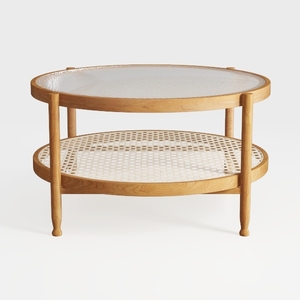
Best Choice Products 2-Tier 35.5in Round Industrial Coffee Table
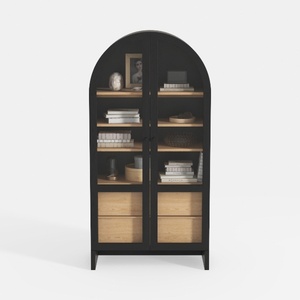
Wood Bookshelf with Adjustable Shelves, 72" Tall
Homestyler is your go-to online home design platform! With its user-friendly design tool, stunning 3D renderings, and a wealth of engaging video tutorials, you can effortlessly transform your space, unleash your creativity, and bring your home design visions to life. Start designing today!
Projete agora para LIVRE
































