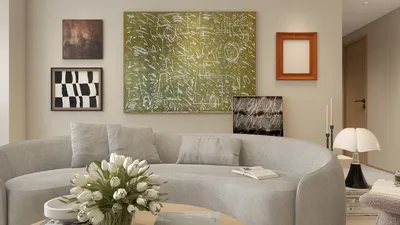


In my experience of selecting and designing glass tables for living rooms, from cozy urban apartments to spacious family areas, I have encountered countless designs. When executed correctly, a glass table contributes a sense of lightness, enhances light diffusion, and serves as a striking centerpiece without overwhelming the space. The real challenge lies in harmonizing beauty with practicality, accommodating everyday factors like children, pets, laptops, and snacks while ensuring the table remains both functional and attractive.
Two key insights influence my design philosophy regarding the use of glass in living spaces. Firstly, research by Gensler indicates that access to natural light and views is associated with increased satisfaction and productivity. Similarly, living areas benefit from transparent surfaces that enhance the distribution of daylight and visibility. Secondly, the WELL v2 standard highlights the importance of managing glare and reflectivity as part of a healthy lighting strategy—thus, it’s essential that the design of a glass table addresses these aspects, especially in sunlit areas.
From an ergonomic perspective, both Herman Miller's research and prevailing residential design guidelines suggest that coffee tables should be around 16–18 inches tall to pair well with sofas that have seat heights of approximately 17–19 inches. This positioning helps maintain a comfortable reach of 14–18 inches from the front of the sofa. For larger sectional sofas, keeping the ratio of the table length to the sofa at about 24–30% can help with both proportion and accessibility, while rounded or chamfered edges can alleviate physical stress in narrower areas.
Key Advantages of Glass Tables in Living Rooms
• Light and airy appearance: Using clear or low-iron glass significantly reduces visual heaviness, allowing rugs and wooden floors to remain unobstructed. In smaller spaces, this clarity can help create an illusion of expansiveness without compromising surface area.
• Enhanced daylight: A translucent top captures and redistributes natural light. Pairing it with matte or lightly textured bases helps to minimize glare. It's crucial to consider the angles of direct sunlight, particularly in rooms that receive intense afternoon light.
• Versatile design options: Glass tabletops can seamlessly blend with various styles, whether paired with a sculptural wooden base for a warm modern look, utilizing powder-coated steel for a minimalist aesthetic, or complementing travertine for a nod to postmodern design.
Selecting the Ideal Glass: Thickness, Edge, and Finish Considerations
• Thickness: For standard coffee tables measuring between 36–48 inches in length, 10–12 mm (3/8–1/2 inch) tempered glass offers a reassuring sturdiness and enhanced resistance to impact. For larger tables or designs that cantilever, opting for glass thickness of 12–15 mm can help minimize flex.
• Tempered vs. laminated: Tempered glass is the typical choice for residential tables due to its durability and safety profile. Laminated glass features a bonded interlayer, which improves sound insulation and holds shards together if broken, making it a good option for homes where noise control or additional safety is a priority.
• Edge profiles: Flat-polished edges provide a sleek appearance; pencil-polished or small beveled edges gently soften the touch. In houses with children or tight spaces, opting for rounded edges (minimum 3 mm radius) can be beneficial.
• Clear, low-iron, or tinted options: Low-iron glass minimizes the greenish tint typical of standard float glass, allowing whites and light woods to appear truer to their tone. Tinted options in bronze or gray can temper reflections, adding a calming effect in high-contrast environments.
Effective Proportions and Placement Tips
• Height compatibility: Aim for the tabletop to be within ±1 inch of your sofa's seat height. An 18-inch seat pairs well with a 17–19 inch table for natural accessibility when placing or picking up items.
• Comfort and clearance: Maintain a 16–18 inch gap between the sofa and table edge for optimal comfort. For pathways, ensure at least 30–36 inches of clearance to avoid collisions.
• Logical shapes: Rectangular tables suit straight sofas while round or racetrack models integrate better with sectionals, promoting seamless flow. Rounded shapes help to eliminate snagging issues in compact setups.
• Utilizing design tools: When finalizing dimensions for intricate seating arrangements, testing layouts with a room layout tool can help visualize movement and accessibility before investing in a base or custom tabletop.
Design Styles: Minimalist to Bold Statements
• Minimalist design: An ultra-clear glass top supported by a slender black powder-coated frame or a simple cross base allows the table to recede visually, allowing art and textiles to take center stage.
• Modern organic: Combining glass with sculpted woods like ash, oak, or walnut lends warmth and texture to the space.
• Luxurious contemporary: Low-iron glass atop travertine or fluted stone bases provides a striking contrast between stability and lightness.
• Mid-century style: Tables featuring tri-leg or pedestal bases with soft curves and visible joinery offer a classic profile that transcends trends.
Managing Lighting and Visual Comfort
Reflections create a distinct visual dialogue, yet they should not overpower the atmosphere. Position glass tables at an angle to prevailing sunlight when feasible, and rely on layered lighting to avoid harsh glare. I adhere to IES guidelines to prevent stark luminance contrasts viewed from low angles; select matte or diffused lamp shades, and angle table lamps slightly to prevent direct reflections that could distract seated guests.
Color Psychology and Material Combinations
With its neutral chromatic qualities, glass serves as an excellent mediator in bold color schemes. In spaces with vibrant colors (reds, bright oranges), a transparent tabletop can create a calming effect, increasing perceived negative space. Alternatively, in cooler palettes (blues, greens), a bronze-tinted top can infuse warmth without adding color intensity, thereby maintaining the tranquil atmosphere.
Durability, Safety, and Everyday Functionality
• High foot traffic and children: Tempered glass stands up to everyday impacts; rounded edges and stable bases are essential in play areas. It's advisable to steer clear of top-heavy designs in homes with energetic pets.
• Load considerations: Most tempered glass tops are sufficient for standard coffee table tasks. To support heavier decor or stone items, place concentrated weight near structural supports rather than towards the center.
• Surface protection: Applying silicone bumpers at the interface of the glass and base helps minimize micro-vibrations and avert localized stress.
Acoustic and Tactile Comfort
Glass can produce a ringing sound, especially on metal frameworks. Using felt or rubber gaskets between countertops and supports can dampen such vibrations. In lively environments, characterized by hard floors and minimal drapery, balancing the acoustic energy with a plush rug and softer furnishings can maintain a comfortable conversation level.
Sustainability Considerations
Glass is fully recyclable and retains its chemical stability. Choosing robust bases, whether solid wood treated with water-based finishes or powder-coated steel, prolongs the product's life. When commissioning custom pieces, it’s beneficial to request tempered low-iron glass that incorporates post-industrial recycled content where possible and to specify repairable bases that allow for future replacement of the tabletop without needing to discard the entire table.
Maintenance and Cleaning
For daily care, employing a microfiber cloth along with a vinegar-water solution or a non-ammonia glass cleaner will help prevent streaks. Weekly check-ups should involve inspecting bumpers and ensuring that screws are tight. Every quarter, examine edges for chips and rotate the tabletop if the base design permits, to ensure even wear and exposure to light.
Cost Expectations
Generally, pre-manufactured tempered glass coffee tables are priced in the mid-range; however, low-iron and thicker glass options are more expensive due to their enhanced production processes and clarity. Custom-designed pieces featuring 12–15 mm tops, intricate shapes, or laminated constructions will increase overall costs, especially when specifics such as tailored edging are involved.
Common Missteps to Avoid
• Selecting a tabletop too large for comfortable reach distances, compelling users to lean excessively.
• Combining a high-gloss tabletop with bright lighting in south-facing windows without proper shading.
• Underspecifying thickness for larger spans, which can lead to noticeable flex and discomfort during use.
• Overlooking acoustic resonance—resulting in rattling surfaces and an echoey environment.
Quick Specification Checklist
• Opt for tempered glass in 10–12 mm thickness for standard spans; select 12–15 mm for larger diameters or cantilevers.
• Choose edges that are pencil-polished or minimally beveled for tactile comfort.
• Select finish: low-iron glass suits neutral palettes, while bronze or gray tints enhance glare control and warmth.
• Maintain height compatibility within ±1 inch of sofa seat; 16–18 inches is the typical height range.
• Ensure clearance of 16–18 inches to the sofa edge and pathways of 30–36 inches.
• For improved damping, utilize felt or rubber gaskets along with silicone bumpers.
References and Further Reading
For insightful research into how natural light and visual comfort affect user experience, refer to Gensler’s workplace studies as well as WELL v2 guidelines on glare and luminance management.
Frequently Asked Questions
For coffee tables measuring between 36 and 48 inches long, 10–12 mm tempered glass effectively balances durability, safety, and weight. Larger spans or cantilever bases may require a thickness of 12–15 mm.
In spaces where whites, light woods, or soft pastels dominate the color scheme, low-iron glass ensures colors maintain their true appearance by minimizing the green tint found in standard float glass. For darker or more minimalist designs, standard clear or lightly bronzed glass typically suffices.
To improve lighting conditions, opt for diffused lighting sources (such as fabric shades or etched glass), angle task lights slightly, and consider using a light tint or matte surfaces. Position the glass table perpendicularly to strong sunlight and install window treatments to soften direct rays.
Round or racetrack-shaped tables promote better circulation and reduce potential bumping points around chaise ends, while also ensuring consistent reach for multiple seating options.
Tempered glass stands as the preferred option for residential tables due to its increased strength and safe breakage pattern. Alternatively, laminated glass contains an interlayer that retains fragments upon breakage and slightly enhances sound dampening; this can be especially beneficial in settings that require extra noise containment.
To ensure comfortable reach, maintain a distance of 16–18 inches from the sofa edge, and a minimum of 30–36 inches in the main walkways to avoid physical collisions.
Definitely. The transparency of glass maintains clear sight lines to the floor and rugs, effectively minimizing visual weight. For optimal effect, combine it with a slender base and a light-toned rug to reinforce a sense of openness.
For added warmth, choose solid or veneer wood bases in light woods such as oak or walnut. For a sleek minimalist approach, powder-coated steel works wonderfully. Stone bases can add a sense of weight, but ensuring a broad footprint will be critical for stability.
Using clear silicone bumpers or rubber grommets at contact points alongside a consistent support base and regularly tightening mechanical fixtures will help maintain stability and function over time.
Yes, provided that the top is made of tempered glass, edges are adequately softened, and the base offers stability. Opt for rounded shapes for added safety and comfort; consider a thicker top for a more grounded feel.
If the height of your sofa seat ranges from 16–17 inches, a table height of 15–17 inches will keep surfaces within easy reach, avoiding awkward stretching.
For decorative arrangements, group items in clusters of three at varied heights—incorporating one organic element (like flowers), one solid piece (such as a book stack), and a sculptural object. Additionally, utilizing a tray helps to create visual order while protecting the surface underneath.




Homestyler is your go-to online design platform for transforming your home ideas into reality. Its user-friendly design tool, stunning 3D renderings, and a wealth of DIY video tutorials empower you to create, visualize, and innovate like never before. Start your design journey today!
Projete agora para LIVRE
































