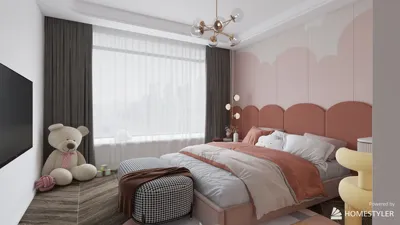


I've observed how large greenery can transform a living room's ambiance in mere moments—defining spaces, softening harsh lines, and providing a focal point. When selecting sizable artificial plants, the right choices offer not just dimension and texture, but also eliminate the upkeep typically required with live plants. This visual transformation is profound; greenery evokes tranquility and creates a biophilic connection integral to our well-being. Research from Steelcase reveals that incorporating biophilic elements can enhance focus and overall health in workspaces—this principle also easily adapts to our homes, where relaxation and socialization occur. Additionally, findings from Verywell Mind attribute calming properties to green hues, making them essential when organizing seating, media, and flow in a multifunctional living room, especially when using tools like Homestyler for planning.
Human comfort is crucial, even when incorporating artificial foliage. The WELL Building Standard (WELL v2) highlights the importance of quality lighting and managing glare for optimal visual comfort, while IES guidelines recommend a blend of ambient and accent lighting to regulate light levels effectively. When adding a tall artificial plant, like a 6 to 8-foot option, it’s vital to maintain a comfortable light contrast with surrounding surfaces—this means steering clear of bright overhead lights directly illuminating shiny leaves. In spaces where movement is restricted, I recommend ensuring at least 36 inches (about 91 cm) of clearance around large planters to maintain ergonomic flow and avoid collisions. These simple guidelines ensure that a striking plant enhances rather than hinders spatial dynamics.
This guide presents a practical approach to choosing, positioning, and illuminating large artificial plants within living rooms, taking into account project realities such as ceiling heights, sightlines toward televisions, sound dynamics, and durability of materials.
Scale, Proportion, and Ceiling Height
Scale is pivotal in determining whether a living room achieves harmony or discord. A general guideline is to select plant heights approximately 60-80% of the vertical distance from the floor to the nearest ceiling fixture. In a room with an 8-foot ceiling, this would suggest plant heights of 5 to 6.5 feet; for rooms with 10-foot ceilings, aim for 6.5 to 8 feet. It's advisable to keep the foliage below crown molding by at least 6 to 10 inches to prevent visual congestion. In open spaces with low ceilings, opt for taller, slimmer shapes like ficus or olive to enhance verticality; conversely, for lofty ceilings, fuller plants like the bird of paradise or rubber tree bring balance and warmth back into the room.
Sightlines, Traffic, and Layout Simulation
Effective placement of greenery accounts for the flow of movement and visual lines. It's essential to avoid obstructing TV views or blocking natural light from key windows. In media-focused settings, position the plant outside the main triangle formed by the sofa, coffee table, and television. Corner placements are particularly effective—especially behind a lounge chair where the plant can occupy negative space. Prior to finalizing placement, I often use an interior layout planner, like the tool offered by Homestyler, to visualize distances, pathways, and lighting arrangements.
Light Environment: Color Temperature and Glare
Artificial foliage can either charm or overwhelm depending on the finish and light. For a cozy evening vibe, I recommend warm LED lighting in the range of 2700–3000K. Should the plant be positioned near a reading lamp or sconce, opt for diffused shades or indirect lighting to avoid harsh highlights on shiny leaves. Use track lighting aimed at walls behind the plant to create a soft silhouette that enhances rather than detracts from the overall decor. Aim for a pleasant light contrast between illuminated leaves and adjacent surfaces; softly wash a mid-tone wall to allow the plant to appear as a lush layer rather than a reflective surface.
Material Realism and Sustainability
The quality of artificial greenery varies considerably. Look for leaves crafted from a mixture of materials (such as PU blends featuring subtle veining), matte finishes to minimize glare, and wired stems that allow for a natural appearance. Trunk textures should exhibit a realistic feel, steering clear of patterns that are overly homogeneous. Durability is also crucial; UV-resistant finishes are important for plants situated near windows to prevent fading and degradation. For sustainability-conscious shoppers, seek out modular designs with replaceable leaves and recycled plastics, paired with natural fiber planters like seagrass or cork to reduce the synthetic look and enhance warmth.
Planters, Plinths, and Visual Weight
The container plays a significant role in the overall aesthetic story. For larger plants, opt for planters with a diameter that is roughly one-third to one-half of the canopy width to ensure it appears deliberately chosen. In minimalistic decor, I prefer matte ceramic pots or fiberstone in subdued colors; for a more eclectic touch, try a woven basket with a waterproof liner. To achieve height without increasing visual volume, consider a narrow plinth (between 8 to 12 inches tall) to position the foliage just above console height while maintaining visual continuity with the moldings.
Color Psychology and Palette Integration
Green is a versatile color that harmonizes well with various palettes. Cooler shades like olive and sage can bring serenity to high-contrast settings featuring black or charcoal; meanwhile, richer emeralds create stunning contrast against warm woods and camel hues. Insights from color psychology indicated by Verywell Mind connect green to themes of balance and renewal; to echo this, consider integrating green within smaller decor accents—such as throw pillows with botanical patterns or a marble tray—to create a cohesive look and ensure the large plant feels included.
Acoustic and Behavioral Considerations
Large plants also play a subtle role in acoustic management. Their fronds can diffuse mid and high frequencies, reducing echo from hard surfaces. In spaces with concrete floors or bare walls, placing a broad-leaf plant in a corner behind seating can soften the sounds of conversations and create a more pleasant atmosphere. Behaviorally, introducing substantial greenery at entry points can slow down the experience of entering a room, acting as a cue for decompression—especially beneficial when living rooms transition directly from a front door.
Maintenance Rituals (Without the Watering Can)
Even artificial plants require some level of care. Remember to dust them monthly using a microfiber cloth, starting from the top down. For leaves with textures, gently vacuum them using a low setting with a soft brush attachment. It's a good practice to rotate the plant quarterly to ensure even light exposure, keeping the placement natural. If any leaves become slightly flattened from packaging, gently warm them with a low-setting hair dryer and reshape the wire veins to restore a natural look.
Common Living Room Scenarios and My Go-To Choices
For a narrow layout, select a 5 to 6-foot tall olive or ficus plant placed in a slim matte planter, ensuring it sits behind a lounge chair while maintaining at least 36 inches of clearance for pathways. Incorporate wall washing for depth instead of direct spotlighting.
For an open seating area, use a tall 7 to 8-foot bird of paradise or rubber tree to act as a visual anchor. Combine this with a sturdy ceramic planter to balance the design and install a subtle uplight behind it for dramatic evening effects.
Position a 6 to 7-foot plant on the less dominant side of the television wall to counter any visual imbalance while avoiding reflections on the screen. Select diffused light sources to prevent glare during movie nights.
Cost, Quality, and Where to Spend
The price for large artificial plants can vary widely. Invest in realistic looking trunks, intricate leaf presentation, and UV-resistant materials; you may save on the inner pot if you plan to replant into a decorative container. High-quality planters are worth the investment for stability, particularly in homes with children or pets. Adding a weight (like gravel bags beneath decorative moss) can help ensure stability without cluttering the visual space.
Measuring Success: Visual Balance and Comfort
I typically employ a mental checklist on site: Does the plant create a visual triangle with the primary sofa and artwork? Does it maintain 36 inches of clear pathways? Are the light levels around the plant at night comfortable? Is green repeated elsewhere in the decor? If affirmative, the overall ambiance of the room typically exudes intentionality and tranquility shortly after placement.
Key Takeaways
FAQ
Q1: What size artificial plant is ideal for an 8 ft ceiling?
For an 8-foot ceiling, aim for plant heights of 5 to 6.5 feet, ensuring a clearance of at least 6 to 10 inches from any beams or ceiling trim to avoid overcrowding the space.
Q2: How can I prevent a large artificial plant from appearing fake?
Select leaves with a matte finish and subtle detailing; ensure the leaf orientations are irregular and that the stems are wired to enable natural positioning. Regularly fluff and rotate the plant to maintain a believable silhouette throughout the year.
Q3: Where's the best spot for a tall plant in a TV-centric living room?
Position the plant outside of the main triangular area formed by the sofa, coffee table, and television, ideally to the side of the media wall, away from screen glare, and ensure the lighting is indirect to minimize glare.
Q4: What lighting color temperature suits artificial greenery well?
Warm whites around 2700-3000K add a nice depth and warmth without altering the color of the leaves to a blue-green hue. Opt for wall washes or shaded lamps rather than direct spotlights on glossy foliage.
Q5: How much space should be allocated around a large planter?
Aim for at least 36 inches (approx. 91 cm) of clearance for comfortable navigation in living rooms. This aligns with standard ergonomic guidelines and helps avoid the plant becoming a hindrance.
Q6: Do larger artificial plants contribute to acoustic comfort?
Indeed, broad-leaf plants can scatter mid- and high-frequency sounds, mitigating harshness in spaces filled with hard surfaces. Pairing with rugs and curtains can yield even better acoustic benefits.
Q7: What type of planter best suits a modern minimalist interior?
Matte ceramic or fiberstone cylinders in calming tones of gray, sand, or bone allow the emphasis to remain on the plant's silhouette. A slim plinth can elevate the plant without overwhelming visual space.
Q8: Will prolonged sunlight damage artificial plants?
Extended exposure to UV light can lead to fading and degradation of plastic materials. Opt for UV-protected finishes when placing plants near windows and rotate them periodically for even exposure.
Q9: How can I secure a tall plant in households with children or pets?
Add ballast—gravel or sand around the pot within the decorative planter—and choose broad bases for greater stability. It's best to avoid tall, narrow stands that can easily tip over.
Q10: Can I use two large plants in the same living room?
Yes, provided that the space is ample enough. Mix different heights and leaf textures (such as pairing a bird of paradise with an olive plant) while ensuring balanced placement—one can anchor a corner while another softens a doorway.
Q11: Are there wellness guidelines I should keep in mind when selecting plants?
Keep in mind visual comfort principles aligned with WELL and IES recommendations: layer ambient and task lighting, mitigate glare, and ensure comfortable luminance ratios around reflective leaves.
Q12: How do I select leaf colors that complement my decor?
Cooler greens like sage and olive help calm high-contrast decorators, while deeper emeralds flatter warm woods and leather tones. Circulating green accents throughout smaller decor items can unify the look of the room.



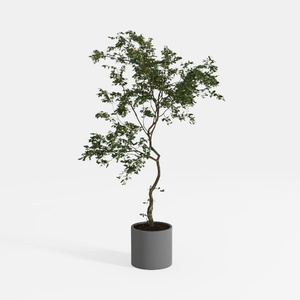
Looking to transform your home? Homestyler is your ultimate design partner! This user-friendly online platform offers a powerful design tool, stunning 3D renderings, a wealth of design projects, and easy-to-follow video tutorials. Start creating your dream space today with Homestyler!
Projete agora para LIVRE
































