


To maintain the aesthetic appeal and durability of your furniture, applying a paint sealer is vital. This product serves as a protective layer, ensuring your painted surfaces remain pristine and vibrant over time. With numerous options on the market, how do you determine the best paint sealer for your needs? In this article, we will delve into the various types of paint sealers, their advantages, and tips for applying them effectively to prolong the life of your furniture. First off, let's examine the different categories of paint sealers. There are mainly two types: water-based and oil-based sealers. Water-based options offer easier clean-up and lower volatile organic compounds (VOCs), making them a more eco-conscious choice. They also dry quickly, accelerating your project completion time. Conversely, oil-based sealers generally provide a more resilient finish and are typically better suited for frequently used surfaces. When choosing a paint sealer, it's important to consider the kind of paint applied to your furniture. For instance, if you’ve used chalk paint or milk paint, opting for a water-based sealer is advisable as it won’t alter the finish. For latex and acrylic paints, you may use either water-based or oil-based sealers effectively. Always check the label to ensure compatibility between the sealer and your paint. Applying a paint sealer is relatively simple but demands careful attention. Begin by thoroughly cleaning your furniture to eliminate any dust or grease. Next, gently sand the surface to promote better adhesion between the sealer and the paint. After sanding, wipe the surface with a damp cloth to clear away dust particles. With a high-quality brush or foam applicator, apply the paint sealer in thin, even layers. Keep a wet edge while working to prevent lap marks, and follow the manufacturer's drying instructions before applying additional coats. Typically, two to three coats are suggested for maximum protection. One of the most significant advantages of using a paint sealer is its protective capabilities against scratches, stains, and water damage. This is essential for regularly used furniture, such as dining tables or coffee tables. A quality sealer not only protects but also enhances the paint color, resulting in a stunning finish for your furniture. Additionally, paint sealers simplify cleaning processes; spills can be wiped away easily without damaging the underlying paint, making upkeep a breeze. If you’re contemplating revitalizing your furniture and extending its life, think about employing a paint sealer to safeguard your investment. By utilizing the right products and methods, you can ensure your painted furniture remains attractive for years to come. Remember, investing time in properly sealing your furniture will offer long-term advantages, saving you from the inconvenience of repainting or repairing damaged surfaces. In summary, a paint sealer is an essential element of furniture maintenance and care. Whether you're a DIY fanatic or an experienced furniture restorer, knowing how to select and apply a paint sealer will enhance your projects and prolong the lifespan of your cherished pieces. As an added bonus, consider utilizing the Homestyler tool to visualize different finishes and colors for your furniture before making a commitment. Happy sealing!
Suggestion 1:
Always conduct a compatibility test with your sealer on a small, hidden area first to ensure you achieve the desired finish.
Frequently Asked Questions
Feel free to reach out for any inquiries!
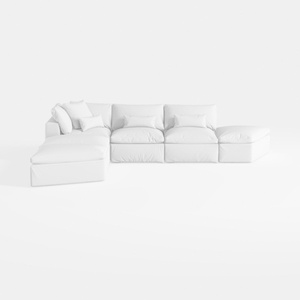

Meridian Furniture 187White-Sec5A Comfy
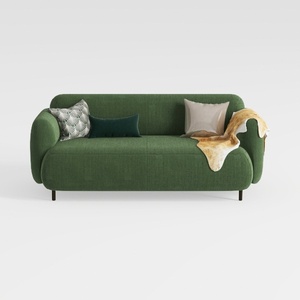
UIXE Loveseat Sofa, 63" Modern Love Seat Corduroy

OKD 48" Modern Farmhouse Coffee Table, Wooden
Homestyler is your go-to online design platform, perfect for turning your home ideas into reality. With its user-friendly design tool, stunning 3D renderings, and a wealth of inspiring projects and DIY video tutorials, you can easily create the space of your dreams—no professional skills needed!
Projete agora para LIVRE
































