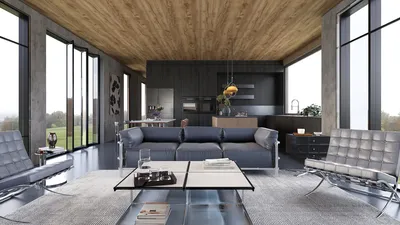


When searching for the perfect couch for a compact living area, the emphasis should be on achieving an effective balance of ergonomics, clarity of space, and visual appeal, rather than merely reducing size. I prioritize furniture that feels light within the room—characteristics such as raised legs, sleek arms, and supportive cushions are essential—while still ensuring a deep, welcoming seat. In smaller homes, seating frequently functions as both a social hub and a personal sanctuary, necessitating a design that accommodates both roles. Steelcase’s research highlights that people instinctively shift their posture every few minutes for comfort and concentration; therefore, couches that facilitate various sitting positions—such as upright, lounging, or side-sitting—often create a more spacious feel, as they invite diverse ways of use. The WELL Building Standard emphasizes the importance of maintaining comfortable seating heights and fostering neutral postures to alleviate strain during extended sitting periods. By utilizing design tools like Homestyler, you can visualize how your selected furniture will fit in the space before making a purchase.
Comfort in a living area primarily stems from effective space planning rather than any singular feature of a couch. Research conducted by Herman Miller notes that without proper lumbar support, individuals may experience posture changes over time, potentially leading to fatigue; therefore, sofas featuring a combination of firm, high-resilience foam in the back and softer seat materials create a better equilibrium for long-term enjoyment. For lighting, I adhere to IES guidelines to avoid any glare caused by reflective materials or glass surfaces, ensuring task lighting ranges from 200–500 lux and ambient lighting is gently diffused—this approach minimizes visual clutter and fosters a tranquil atmosphere in smaller rooms. Additionally, thoughtful color selections can influence the overall feel; as indicated by Verywell Mind's analysis of color psychology, warmer neutral shades evoke a sense of coziness, while cooler desaturated hues can create an illusion of expansiveness.
The interrelationship between form, function, and traffic flow must be carefully considered. A two-seat sofa with narrow arms and a compact back often outperforms a bulky sectional in tight spaces; for rooms measuring 11–13 ft across, targeting a couch size between 68–78 in long and 36–38 in deep helps maintain clear walkways. When dealing with limited space, I use a design tool like Homestyler to simulate layouts and assess traffic patterns, factoring in door swings, media viewing angles, and conversation distances, ideally maintaining 6–8 ft between seating options. The chosen couch should also reflect daily activities: whether it's for reading in the evening light, lounging on weekends, or entertaining friends without necessitating extra seating.
Essential Characteristics of Couches for Small Spaces
• Elevated legs: A lift of 5–7 inches from the floor minimizes visual bulk and enhances cleaning efficiency, aiding air circulation.
• Slim arms: Track or English roll arms can save 4–6 inches in overall width compared to overly padded designs.
• Tight or semi-attached back: This design choice prevents cushions from shifting and maintains seat depth.
• Supportive cushions: Opt for high-resilience foam encased in a fiber wrap to ensure longer-lasting neutral posture; a down-blend topper can be added for those preferring a more relaxed lounging experience.
• Smaller-scale design: Aim for a seat height around 17–18 inches and a seat depth of 20–22 inches, accommodating most body types in limited spaces; deeper seats can benefit from added lumbar pillows.
Creative Layout Strategies
In narrow living areas, pulling the couch 4–6 inches away from the wall can reduce shadows and enhance the perception of spaciousness. Pairing it with a compact swivel chair allows for flexible conversation arrangements without the need to constantly rearrange heavy furniture. If the area also serves dining purposes, a loveseat positioned opposite a bench can help maintain clear sightlines. For studio apartments, placing a chaise-end sofa across from the longest line of sight creates a sense of destination while preserving circulation. Before finalizing your choice, use an interior layout simulator like Homestyler to test spatial clearances around coffee tables (ideally keeping 18 inches from the seat edge) and corners.
Materials and Color Considerations
Select performance fabrics that withstand at least 30,000 double rubs for durability, opting for a matte finish to minimize glare under evening lighting. Mid-tone woven textures are preferable as they better conceal everyday wear compared to solid darks, which attract lint, or very light shades that reveal stains easily. For small spaces requiring a sense of calm, choose desaturated greens, warm grays, and soft taupes that create a cozy effect without making the area feel smaller. If your interiors are minimalist, contrast can be introduced with a darker base paired with lighter cushions to create a rhythm without adding visual weight.
Ergonomic and Human-Centric Design
The foundation of comfort begins with the geometry of the seating. Implementing a slight negative seat pitch (lowering the back by 0.5–1 inch compared to the front) helps relax hips while ensuring feet remain flat on the ground. Maintaining arm heights at around 24–26 inches provides adequate support for forearms during reading and conversations. To accommodate multiple users, consider adding two lumbar pillows that allow for personalized support adjustments. For frequent lounging, aim for a chaise width of 28–32 inches to alleviate pressure on the knees. Additionally, acoustic comfort is essential; employing dense upholstery, textured fabrics, and a rug can absorb mid-high frequency sounds, softening conversations and fostering intimacy.
Multi-Functional Solutions for Limited Spaces
In micro-living situations, consider a sleeper loveseat featuring a trifold mechanism, which offers greater daytime seating comfort than traditional pull-out mattresses. Seek out seats constructed with hidden storage options for blankets and cushions, ensuring that hardware soft-close features are in place to maintain a quiet environment. Combining an ottoman with a sofa often proves more versatile than larger sectionals—position the ottoman as a chaise for movie nights and conveniently tuck it away when more open space is needed during the week.
Lighting Strategies for Compact Living Rooms
Layering lighting is key to accommodating both social gatherings and solitary relaxation. Ambient lighting can be achieved with diffused ceiling or wall wash techniques to soften edges. For tasks, utilize a 300–500 lux floor lamp with a high CRI bulb positioned near reading spots, angling the shades away from screens to prevent reflections. Highlighting art or shelves with small, warm lights can add depth during the evenings. I recommend placing lamps marginally behind or beside the couch to avoid direct glare, following IES recommendations on glare control and light uniformity. Opting for dim-to-warm bulbs that transition from 3000K to 2700K in the evening aligns perfectly with cozy rituals.
Small-Space Couch Buying Guide
• Overall width should be within 68–78 inches; depth ideally at 36–38 inches unless deeper lounging is preferred.
• Arm width should be kept under 6 inches; raised legs contribute to a visually lighter aesthetic.
• Target a seat height of approximately 17–18 inches; back height around 32–36 inches to maintain sightlines.
• Look for performance fabrics, matte weaves, and removable cushion covers for easy maintenance.
• Ensure balanced cushion construction with a supportive core and breathable wrap for added comfort.
• Confirm delivery path dynamics, including door width, elevator dimensions, and stair turns.
• Test a variety of postures—upright, lounging, side-sitting—prior to making a purchase decision.
• Use a layout design simulator to map traffic patterns and viewing angles to minimize return occurrences.
Curated Selections Based on Room Profiles
• For a Narrow Living Room: A two-seat sofa equipped with track arms, along with a compact swivel and nesting tables.
• In a Studio: Choose a loveseat with a chaise along the longest wall, complemented by a soft rug and a slim console to maintain a streamlined storage solution.
• Ideal for a Family Den: A 78-inch sofa featuring firm core cushions paired with a storage ottoman; opt for more durable fabrics.
• For a Media Nook: A deep loveseat accompanied by lumbar pillows; ensure lighting is positioned behind viewers to mitigate screen glare.
Frequently Asked Questions
Q1: What are the optimal couch dimensions for a small living room?
A: Typically, I recommend a width of 68–78 inches and a depth of 36–38 inches to keep walkways clear and encourage meaningful conversations, with adjustments made according to room size and surrounding furniture.
Q2: How can I enhance the comfort of a compact couch without increasing its depth?
A: You can utilize lumbar pillows for personalized back support, select couches with supportive core materials featuring softer wraps, and incorporate a slight pitch in the seat to help hips relax while keeping feet grounded.
Q3: Are sectionals ever suitable for small spaces?
A: Absolutely, provided the sectional boasts a slim profile and a single chaise rather than a bulky corner configuration. Allow for a slight floating space off the wall and ensure an 18-inch clearance around tables.
Q4: Which fabrics effectively conceal wear while maintaining a cozy aesthetic?
A: Mid-tone woven performance fabrics with a matte finish outperform solid darks or very light tones in masking lint and minor stains.
Q5: How should I illuminate the couch area to minimize glare?
A: Position task lamps behind or alongside the couch, employ diffused ambient lighting, and opt for dim-to-warm bulbs in the range of 2700–3000K to create an inviting atmosphere.
Q6: What is the ideal seat height for comfort?
A: A seat height of approximately 17–18 inches tends to suit most individuals; pairing it with a back height of 32–36 inches offers shoulder support without obstructing sightlines.
Q7: Can a sleeper sofa be practical in a studio?
A: Yes, a compact sleeper featuring a trifold mechanism can provide greater daytime seat comfort compared to traditional pull-out mattresses. Always confirm the delivery pathway and weight before purchase.
Q8: How do I effectively plan my layout prior to purchase?
A: Utilize a design visualization tool to prototype your arrangement and evaluate traffic flow, ensuring proper clearances around doors, viewing angles, and spacing of 18 inches around tables.
Q9: What colors evoke a sense of coziness while keeping a small room feeling open?
A: Warm neutral shades, soft taupes, and muted greens provide warmth while allowing walls to recede, creating a space that feels both intimate and airy.
Q10: How can I enhance the acoustic environment around my couch?
A: Layer various textiles—a rug, textured upholstery, and curtains—to absorb mid-high frequencies, softening conversations, especially in settings with hard surfaces.
Originally incubated at Autodesk, Homestyler has grown into one of the most widely adopted home design platforms in the world, now trusted by over 18 million users. Whether you're a homeowner exploring ideas or a professional designer delivering client-ready renders, Homestyler brings industry-leading 3D technology to your fingertips — no experience required.
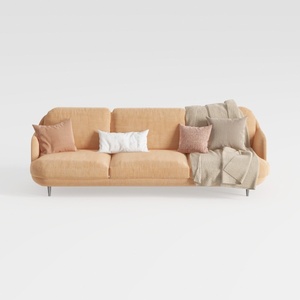

Modern Minimalist Peach Fabric Sofa with Throw Pillows and Blanket 3D Model

Modern Velvet Oak Upholstered Banquette Bench 3D Model

Vintage Tufted Fabric Floral Pattern Three Seat Sofa 3D Model
Homestyler is the ultimate online tool for transforming your home design dreams into reality. With its easy-to-use design platform, stunning 3D renderings, and a wealth of DIY video tutorials, you can explore countless interior options and create your ideal space effortlessly.
Projete agora para LIVRE
































