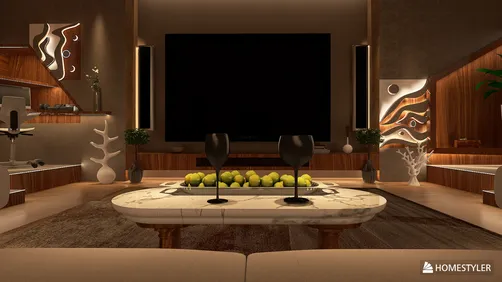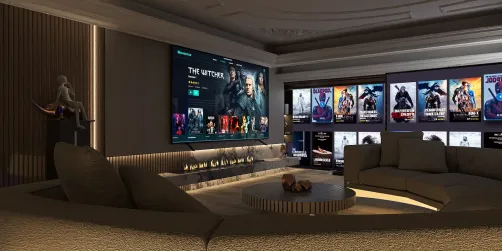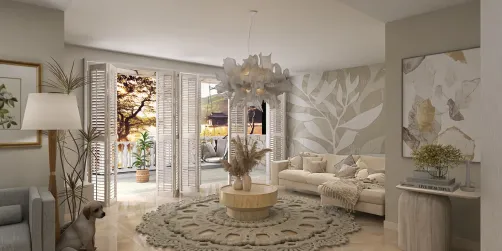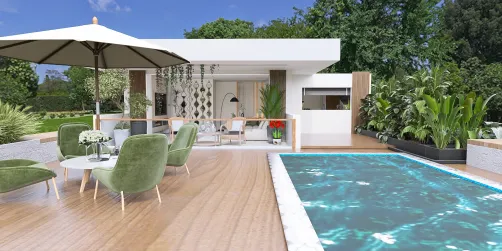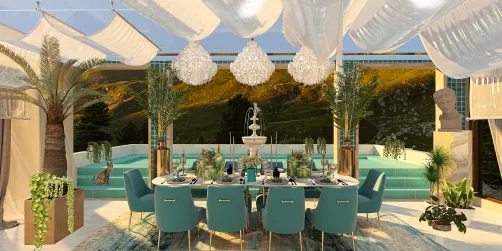
Choosing a party venue in Nashik can be an exhilarating experience rather than a stressful task. With over ten years of expertise in designing interiors and layouts for various events, I've discovered that success lies in having a comprehensive checklist: capacity, location, acoustics, lighting, layout adaptability, accessibility, and the actual costs beyond just the visible price tag. In tier-2 cities like Nashik—where options range from historical sites to contemporary banquet halls—selecting the right space to align with your guests' behavior and the intended program can be the defining factor in transforming an evening from chaotic and noisy to a comfortable and unforgettable celebration. Incorporating tools like Homestyler can enhance your layout planning for optimal guest experience.
The quality of the environment has a significant impact on the overall experience. The WELL Building Standard emphasizes the importance of balanced lighting levels and glare control to maintain comfort and enhance mood, stating that well-regulated circadian lighting and visual comfort can lead to greater satisfaction and diminished fatigue. Similarly, research from Steelcase has shown that spaces designed to meet user needs enhance perceived enjoyment and engagement; areas that facilitate various activities—such as social interactions, dining, dancing, and photography—tend to receive higher satisfaction scores. These principles apply directly to events; well-defined areas, clear sightlines, and properly calibrated light and sound are essential in keeping guests engaged.
When planning any party hall, I adhere to three key data-driven guidelines: maintain lighting levels around 200–300 lux for mingling and dining—preferably warmer color temperatures in the range of 2700–3000K; create a dance floor ambiance with higher contrast and adjustable lighting; and manage sound levels to target 70–75 dBA during peak music but ensure conversations can still be heard in bar and seating areas. The Illuminating Engineering Society (IES) recommends appropriate lighting levels and glare reduction for comfort, while WELL v2 underscores the necessity of tunable lighting and acoustic zoning. If you find a venue in Nashik that offers dimming capabilities, basic acoustic treatments, and a properly zoned layout, you are already ahead of the game.
Shortlist Strategy: Location, Capacity, and Flow
Begin by assessing the distance and travel time. Map out guest clusters and review traffic patterns on Gangapur Road, College Road, Trimbak Road, and routes through the Mumbai–Agra Highway. Ensure there is convenient on-site parking or a reliable valet service. Capacity should be realistically calculated: allocate 10-12 sq ft per person for cocktail-style gatherings, 12-15 sq ft for banquet seating arrangements, and 15-18 sq ft if you plan to include dancing and live food stations. Also, consider the height of the venue (minimum of 11-12 ft for lighting and decorations), spacing between columns to avoid obstructed views, and ease of access for vendors.
Layout and Zoning: Keep People Moving, Not Colliding
Successful parties require careful choreography. Identify four essential zones: entrance and photo area, seating and dining sections, bar and buffet stations, and the performance/dance floor. Design 5-6 ft circulation paths from entry to bar to minimize congestion. Ensure that bar lines keep a distance from dining areas, and double-sided buffets should be arranged with an 8-10 ft clearance. If you want to experiment with different seating and stage setups, utilizing a room layout planner can be incredibly time-saving during vendor coordination; tools like Homestyler are excellent for sketching visual options and simulating foot traffic.
Lighting That Flatters Guests and Photos
For most events, aim for 200–300 lux of warm white ambient light (2700–3000K), with the ability to dim to 10%. Increase lighting to 350-400 lux in service areas and buffet lines to ensure safety and improve plating quality for photos. Keep dance floor illumination dynamic, but avoid direct glare on seating areas. I recommend a three-layer lighting approach: a soft ambient layer (through indirect coves or shaded chandeliers), accent spots for décor and the cake, and adaptive effects for the stage. The IES suggests managing glare (considering UGR) and ensuring adequate vertical light to highlight faces naturally—this consideration will be appreciated by your photographer.
Acoustics and Music: Keep Energy Without the Echo
Echoing halls can quickly drain guests' energy. Look for solutions such as fabric panels, drapes, area rugs, upholstered seating, or even temporary acoustic barriers. Position DJs slightly above head height and angle speakers away from hard walls. Maintain sound levels at 70-75 dBA on the dance floor, while dining zones should remain around 60–65 dBA to prevent shouting. An easy test: clap in an empty hall—if the sound reverberates, suggest adding soft surfaces or rental panels. Research from Steelcase indicates a strong link between sound management and guest comfort, which is equally vital in event settings where conversation plays a significant role.
Power, HVAC, and Vendor Logistics
Inquire about a single-line diagram or at least confirmed power capabilities. For a medium-sized event (150-250 guests) requiring a DJ, decorative lighting, and catering warmers, you might need between 25-40 kVA based on your equipment. Verify that audio circuits are dedicated to avoid interference. The HVAC system should offer zoning options; given that crowded dance floors can quickly increase heat levels, it's important to ensure sufficient air changes and that supply diffusers effectively cool the stage area. Features like loading lifts, ramps, and dedicated vendor entrances can facilitate smooth operations and maintain your schedule.
Materials, Décor, and Safety
Emphasize safety with flame-retardant fabrics for drapery and stage backdrops. Utilize non-slip flooring around the bar and buffet to minimize accidents. For sustainability, inquire about reusable décor options and LED lighting to reduce energy consumption and heat output. Keep walkways free of cables; secure routes with tape and add low-glare pathway lighting. Ensure there are at least two clearly marked exits and a straightforward emergency protocol. If the venue provides in-house décor, ask for sample boards for fabrics and finishes to verify color accuracy under warm lighting.
Guest Experience: Color, Psychology, and Comfort
Warm tones (like amber, soft blush, and terracotta) encourage prolonged presence and social interaction, while cool highlights can modernize the space around the bar or stage. Studies on color psychology suggest that warmer hues create a friendly environment and can enhance feelings of intimacy. Maintaining a balance is crucial: keep larger surfaces neutral while using color in illumination and soft décor to influence mood without being overpowering. A variety of seating arrangements—such as lounges near the bar and banquet rounds for families—can accommodate different social dynamics and evenly distribute energy throughout the room.
Budget Clarity: What’s Usually Included
Transparent pricing prevents unexpected costs. Typical packages in Nashik include the rental of the hall for a defined number of hours, basic ambient lighting, standard tables and chairs, as well as basic cleaning. Additional costs often apply for extras such as premium lighting setups, bar counters, staging, upgraded linens, valet services, generator back-up, corkage fees for outside beverages, and late-night usage charges. Before finalizing any agreements, request a detailed floor plan showing the seating arrangement and a power distribution chart.
Site Visit Checklist
• Measure the clear height and note column and beam locations.
• Test dimming and color temperature using actual fixtures.
• Perform a clap test to check for echo; inquire about soft finishes and temporary panel options.
• Check HVAC outputs near the stage and dance floor.
• Time your drive and evaluate parking/valet flow.
• Confirm the quantity of restrooms and the accessibility of routes.
• Request a loading path for vendors and a holding area.
• Verify backup power capabilities and sound circuit isolation.
Design-Led Shortlist: Matching Hall Type to Event Style
• Modern banquet halls are ideal for controlled lighting, clear acoustics, and dependable logistics.
• Heritage venues/farmhouses offer unique character; check for power capacity, weather contingencies, and acoustic treatment.
• Rooftop venues provide stunning views; assess wind conditions, sound spill, and neighbor relations; ensure lighting is glare-controlled.
• Hotel ballrooms offer integrated services and reliable HVAC; they may have stricter vendor policies but provide smoother overall operations.
Negotiation and Holds
Secure the date with a soft hold while validating the layout and vendor compatibility. Negotiate rehearsal access for 2-4 hours, power provisions, load-in/out timeframes, and a damages cap. Request a comprehensive rate that includes generator hours and late-closing options, as this can alleviate stress on the event day.
Trusted Benchmarks to Ask Venues
• Lighting should achieve 200-300 lux ambient, in the color range of 2700-3000K, with the ability to dim to 10%.
• Acoustics should include soft finishes or temporary panels; aim for a desired RT60 between 0.7 and 1.0 seconds in seating areas where feasible.
• HVAC systems should support zoning and ensure adequate air circulation for full capacity.
• Power requirements for mid-sized celebrations typically range between 25-40 kVA; ensure audio circuits are isolated.
• Safety measures should guarantee at least two exits, clear cable pathways, and non-slip mats by bar and buffet areas.
FAQs for Booking a Party Hall in Nashik
Plan for 10-12 sq ft per guest for standing/cocktail, 12-15 sq ft for seated banquets, and 15-18 sq ft if you will have a dance floor and live stations. This ensures clear aisles and avoids clutter during buffets.
Utilize 200-300 lux ambient lighting in the warm white range (2700-3000K), with dimming capabilities. Raise it to 350-400 lux at service and buffet areas. Maintain dynamic yet glare-controlled lighting on the dance floor. These standards align with IES guidance on task-specific illumination and WELL v2 recommendations for comfort.
Incorporate soft surfaces such as drapes, fabric panels, carpets, and cushioned seating. Position speakers away from hard walls and ensure dining areas are buffered from the dance floor acoustically. Aim for sound levels of 60-65 dBA for dining and 70-75 dBA on the dance floor.
Visualize various configurations and test guest flow before finalizing rentals. A layout simulation tool can assist in visualizing seating, stage, and buffet setups while accurately estimating capacity; consider using a tool like Homestyler.
Typically, venues, catering, and entertainment book out early. Confirm the venue's power and load-in policies before engaging with the DJ or lighting vendor to ensure their requirements match your venue's capabilities.
Request a comprehensive proposal that includes generator hours, late-closing options, corkage fees (if applicable), premium lighting costs, stage truss rentals, valet services, and housekeeping. Clarify timing of services and overtime rates in writing.
Assess lighting dimming, color temperature, acoustics with clap tests, verify HVAC zoning, measure clear heights, and check parking/valet availability. Map out paths for vendor loading and request a power distribution plan and seating layout.
Hotel ballrooms often provide integrated services, reliable HVAC, and polished processes; standalone venues may provide more flexibility for vendors and cost control. Choose the venue that best meets your program's complexity and aesthetic needs.
Warm white and amber highlights create a flattering ambiance for skin tones. Introduce selective cool tones near bars or stages for contrast, while keeping larger areas neutral to allow lighting to create the desired atmosphere.
Absolutely—choose a venue with accessible entry points, wide aisles (preferably at least 4 ft), clear signage, and accessible bathrooms. Prioritize seating options near exits for elderly guests and keep cable pathways clear of primary routes.
Final Take
Select a hall that enhances the flow of your event rather than just accommodating your guest count. When a venue demonstrates the ability to provide controllable lighting, managed acoustics, reliable power, and efficient logistics, all other aspects—from decoration to photography—will naturally align with your vision. Validate your choice by conducting a quick layout test, obtain an all-inclusive quote, and secure rehearsal access to ensure a calm and beautifully orchestrated event day.
References
• WELL v2 (Light, Comfort concepts): guidance on lighting quality and occupant comfort available at v2.wellcertified.com.
• Steelcase research: insights on how environment supports user needs and engagement can be found at steelcase.com/research.


Discover the joy of home design with Homestyler! This user-friendly online platform offers an intuitive design tool, stunning 3D renderings, inspiring design projects, and helpful DIY video tutorials. Whether you're a beginner or an experienced designer, Homestyler makes it easy to create your dream space!