

I have a preference for wooden chairs in living rooms because they provide an exceptional balance of warmth, stability, and durability compared to other materials. Aside from their visual appeal, they significantly affect posture, circulation, and the way individuals navigate through a space. According to research by Steelcase, postural shifts occur every 8–10 minutes in lounge areas, indicating that factors like seat angles, arm support, and back profiles are crucial in selecting chairs that offer everyday comfort. The WELL v2 standard also highlights visual and ergonomic comfort as vital contributors to overall well-being, making the selection of a chair a decision transcending mere aesthetics, thus integrating tools like Homestyler can be beneficial as well.
When it comes to scale and proportions, they are pivotal in design. Research from Gensler has revealed that comfortable micro-settings—compact, purpose-driven seating arrangements—enhance perceived productivity by providing users with choice and control. In the context of a living room, I arrange seating zones around specific activities such as reading, conversation, and watching screens. For effective lighting, the IES recommends implementing task illumination around 300–500 lux; I often combine lounge chairs with floor lamps and shaded fittings to minimize glare on wooden surfaces and maintain a soft contrast ratio.
Modern Wooden Chair Designs
Timeless mid-century designs featuring curved backs and tapered legs remain popular due to their geometrical support for neutral posture, accompanied by visual rhythm. I frequently opt for a slightly reclined back (100–105 degrees) with lumbar support. Slatted backs made from oak or ash offer good ventilation in warm climates, while solid walnut lends a more pronounced presence, anchoring larger spaces. If the arrangement of the living room is flexible, I utilize a room layout tool, like Homestyler, to assess chair clearances and ideal conversational distances, targeting between 1.8 to 2.4 meters between seating groups.
Armrests, Angles, and Seat Heights
Armrests are essential for reducing shoulder strain and facilitating smooth transitions from standing to sitting. I aim for arm heights to be around 20–25 cm above the seat and a seat height ranging from 42 to 46 cm for most adults. A waterfall front edge on the seat aids circulation—particularly beneficial during extended reading sessions. A slight pitch on the seat (2–3 degrees) helps maintain pelvic neutrality. These minor ergonomic adjustments enhance comfort perception without adding bulk.
Choosing Wood Species and Finishes
Different wood species can greatly affect the atmosphere of a room. Oak offers a sturdy and familiar vibe; ash provides a lighter, more contemporary feel; walnut exudes refinement; while teak suits environments with fluctuating humidity. Whenever possible, I specify FSC-certified materials. Regarding finishes, I prefer low-VOC hardwax oils, which showcase the wood grain and resist stains, with a matte sheen (5–10 gloss units) for reduced glare, making it easier to coordinate colors under varying lighting conditions. In households using cooler LED lights (3500–4000K), warmer woods like cherry and walnut work well to stabilize the color palette.
Understanding Color Psychology with Wood
Wood tones interact predictably with textile accents. According to Verywell Mind, shades of blue support tranquility and focus, while greens convey harmony and renewal. I consider these psychological cues when choosing upholstery for seat pads: a deep indigo against oak brings clarity, and moss green on ash softens the overall look. In social living spaces, vibrant hues such as burnt orange or saffron can brighten a subtle walnut frame without being overwhelming.
Designing for Compact Living Rooms
For smaller living spaces, I steer clear of bulky chairs with rolled arms, favoring open-sided frames with narrower profiles. Armless wooden lounge chairs, Scandinavian-style spindle backs, or Japanese low chairs enhance the airy feeling. It's essential to allocate at least 750–900 mm for circulation paths and keep chair depths below 800 mm near doorways. When planning for a snug alcove, utilizing an interior layout planner like Homestyler helps clarify whether a reading chair might obstruct main traffic areas.
Creating an Anchor in Large Rooms
In spacious areas, using pairs or trios of wooden chairs facilitates the creation of conversational circles. I often balance oversized sofas by placing two sculptural chairs in either walnut or oak close to them, ensuring that side tables are within a reachable distance of 350–500 mm for drinks and books. A swivel-base wooden lounge chair (featuring concealed metal hardware) can seamlessly connect TV viewing with fireside chats without needing to shift furniture across carpeting.
Prioritizing Comfort in Lounge Chairs
High-back wooden frames with upholstered inner panels enhance acoustic comfort by breaking up reflective surfaces. In settings that feature harder surfaces, soft cushions made from wool or bouclé can absorb sound frequencies, minimizing echo. I prefer seat cushions comprising multilayer foam (firm base, medium core, soft top) to help distribute weight effectively and prevent bottoming out.
Exploring Rocking and Reclining Options
Rocking chairs crafted from bentwood provide rhythmic movement that encourages micro-relaxation, aiding reading or calming children. It's crucial to ensure that the rocking arc remains within the rug boundary to prevent edge catching. For semi-reclining variants, a two-position backrest complemented by a headrest cushion offers support for longer lounging periods, particularly in media areas.
The Appeal of Mixed Materials: Wood with Cane, Leather, and Fabric
Chairs with caned backs reduce the visual mass of the design, and pairing them with leather seats enhances durability. Leather adds depth and character over time while fabric increases acoustic comfort and color flexibility. I strive for a balance between textures—smooth walnut alongside nubby bouclé or open-grain oak with tightly-woven linen—to create a captivating tactile contrast and visual harmony.
Emphasizing Sustainability and Durability
Seek designs incorporating replaceable seat pads and bolted joinery to maximize longevity. Premium hardwoods can endure for decades if their finish is regularly maintained. Material Connexion emphasizes the importance of durability and lifecycle in furniture selection; I apply this philosophy by opting for woods with verified stability and finishes that can be easily spot-repaired. Avoid soft wood species in heavily-trafficked areas.
Considering Layout and Flow
The arrangement of chairs should promote clear sightlines and natural conversational spacing. In multifunctional living rooms, I create small clusters—should one reading chair be positioned next to a window and two accent chairs flanking a sofa. Maintain a distance of 450–600 mm between chairs and coffee tables to ensure comfortable legroom. If the space doubles as a workspace, I draw inspiration from Herman Miller’s posture research, reminding me to allocate a supportive chair near task lighting with a side table for laptops, keeping glare at bay and color temperature around 3500K for optimal evening focus.
Layering Textiles, Cushions, and Comfort
Even simple wooden chairs can feel luxurious with the addition of layered textiles. Incorporate a slim seat pad, lumbar roll, and a throw blanket for enhanced comfort. Opt for stain-resistant materials in homes with children or pets. The scale of patterns is crucial—large prints can overwhelm delicate frames, while tighter weaves lend support to elegant silhouettes.
Ensuring Safety, Stability, and Maintenance
It's vital to check for tipping resistance, especially in rocking chairs. Use felt pads to safeguard floors and ease the moving of furniture. Regularly dust wood surfaces and apply oil or wax as per the manufacturer's instructions. Ensure chairs are not positioned in direct sunlight to avoid uneven fading; rotating positions seasonally can help if sunlight predominantly impacts one side.
Design Styles to Consider
- Minimalist: ash or birch with a matte finish, armless forms featuring slim cushions.
- Modern Classic: walnut frames with gentle reclines, upholstered backs for comfort.
- Coastal: whitewashed oak or teak with caned backs and linen seating.
- Rustic: oak showcasing visible joinery, saddle seats, and leather straps.
- Contemporary: sculptural bentwood designs, a mix of fabrics, and swivel bases.
My Approach to Specifying Chairs for Clients
I assess dimensions (with seat widths typically 480–520 mm for most adults), evaluate comfort angles, and outline circulation paths using planning tools. I also consider lighting conditions, color temperature, and acoustic properties. This leads me to match wood species to client lifestyles—such as children, pets, and humidity levels—and select finishes that can withstand everyday use while enriching the room's aesthetic.
Frequently Asked Questions
Q1: What is the ideal seat height for a wooden chair in the living room?
A1: The recommended height is between 42 and 46 cm; this aligns with the majority of sofa heights and facilitates easy transitions from sitting to standing.
Q2: How far should a chair be placed from a coffee table?
A2: It's advisable to maintain a distance of 450–600 mm for comfortable legroom and to enable easy access without excessive leaning.
Q3: Which wood species are best suited for handling humidity variations?
A3: Teak and walnut are stable options; ash also performs adequately. Keeping finishes well-maintained helps to limit movement.
Q4: Are caned wooden chairs durable enough for daily use?
A4: Yes, as long as the cane is properly tensioned and supported. Pairing with leather or upholstered seats promotes longevity.
Q5: What type of lighting should accompany a reading chair?
A5: Aim for a lighting level of 300–500 lux, using shielded shades to minimize glare on wooden surfaces; a warm-white light temperature of around 3000–3500K is comfortable.
Q6: How many chairs are appropriate for a medium-sized living room?
A6: Typically, two accent chairs paired with a sofa create a balanced conversational layout; you may add a third chair if the area exceeds roughly 18–20 square meters.
Q7: What kind of cushion construction feels the most supportive?
A7: A layered cushion composition—featuring a firm base, medium core, and soft top—effectively distributes pressure and prevents bottoming out.
Q8: How can I prevent wooden chairs from scratching floors?
A8: Implementing felt pads or low-profile glides will help; frequent checks and replacing the pads as they wear down is recommended.
Q9: Do darker wood tones make small rooms appear smaller?
A9: Not necessarily; they can be effectively balanced with lighter textiles and ample lighting to retain a sense of openness.
Q10: Can wooden chairs help in improving acoustics?
A10: Yes, particularly when paired with upholstered cushions and rugs, as they disrupt reflective surfaces and diminish echo.

Big and Tall Executive Office Chair with Solid, Er
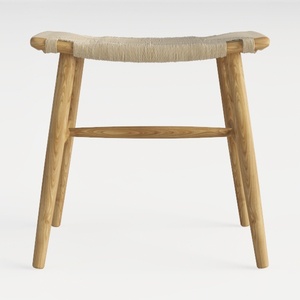
Maven Lane 31" Sophia Backless Bar Stool
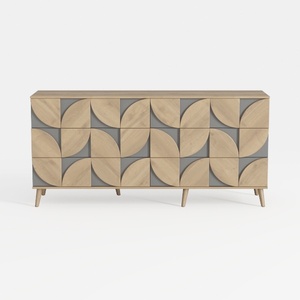
Modern Geometric Pattern Solid Wood Sideboard Cabinet 3D Model
Homestyler is your go-to online home design platform! With its user-friendly design tool, stunning 3D renderings, and a wealth of inspiring design projects and video tutorials, you can effortlessly turn your home design dreams into reality, regardless of your experience level.
Projete agora para LIVRE
































