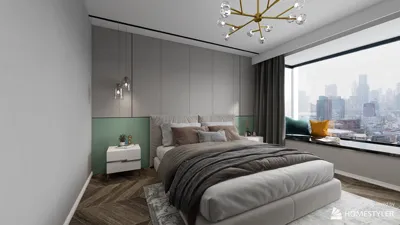


I have designed numerous corner hanging lights for living rooms where space is limited but visual impact remains essential. A well-placed corner pendant can not only eliminate floor clutter but also enhance a cozy reading nook and establish a warm gradient of light. Recent studies in both workplaces and homes highlight that the quality of light significantly influences comfort and productivity. Herman Miller notes that glare and insufficient contrast are common issues in office environments, while the WELL v2 Light concept focuses on optimal illuminance, color quality, and glare management to promote well-being. Applying these principles in home settings can lead to serene evenings and improved visibility for various tasks.
My corner-light designs are driven by two key data points. First, the WELL v2 Light concept advocates for a balance between vertical and horizontal illuminance, alongside glare management through shielding and dimming—strategies that minimize eyestrain and visual fatigue effectively. Second, the Illuminating Engineering Society suggests providing about 100–300 lux in casual living areas, with task locations like reading chairs needing between 300–500 lux. Combining a corner pendant with a dimmer and a supplementary task lamp enables you to achieve these lighting levels without overwhelming the entire space. For optimal color quality, aim for a CRI of 90 or higher where accurate color visibility is critical, such as in art displays and textiles, and maintain a color temperature around 2700–3000K for evening relaxation.
Define Your Purpose: Task, Accent, or Ambient
Before selecting a corner hanging light, clarify the intended purpose for that space. If it will serve as a reading area, position the pendant slightly forward of your shoulder to prevent shadows on the pages. For accent lighting, elevate the fixture to create a wash on the wall and visually raise the ceiling line. When aiming for ambient lighting, choose a diffuser designed to distribute light evenly, avoiding any harsh spots. I enjoy layering a corner pendant with an additional wall washer or a small uplight for a gentle vertical glow; this can enhance the perception of space in smaller rooms by making them feel roomier.
Determining Height, Drop, and Projection
Height accuracy is crucial. In seating arrangements, positioning the bottom of the shade at 54–60 inches above the floor helps avoid head bumps and keeps the light within reach for reading. For fixtures above side tables, a height of 28–34 inches above the surface is ideal. If the fixture arm extends from the wall or ceiling, ensure there is at least 16–20 inches of clearance from the back of the seat. Opt for a canopy that securely anchors at the corner junction; if drawing from a central ceiling point, neatly direct the cord along the corner using low-profile clips or a cord channel that matches the wall color.
Quality of Light: Color Temperature, CRI, and Glare Management
For living rooms designed for evening use, I typically suggest a color temperature range of 2700–3000K accompanied by a high CRI. A diffuser made of white linen or opal glass helps to soften contrasts and diminishes veiling reflections on televisions and framed artwork. The shielding angle is critical—look for shades that obstruct the direct line of sight to the LED emitter when seated (about 15–20 degrees below eye level). Consider incorporating a dimmer to allow you to lower the light to 20–30% for movie screenings or increase it for reading tasks. If utilizing smart bulbs, program scenes to lower color temperatures at night to support natural sleep rhythms.
Selecting the Appropriate Form Factor
- Small spaces: Opt for compact globe or drum pendants (8–12 inches in diameter) to maintain proportions and reduce visual clutter.
- High ceilings: Multi-drop clusters at varying heights create visual rhythm and draw the viewer's gaze upward.
- Tight corners: Choose a slender cone or baton pendant with off-center suspension to keep the footprint minimal while directing light accurately.
- Statement piece: A distinctive pendant can serve as the focal point for a reading chair and an art wall; ensure finishes align with nearby hardware for a cohesive look.
Choosing Durable Materials & Finishes
Brushed brass, matte black, and burnished nickel are user-friendly and resist showing fingerprints, pairing well with most living room aesthetics. Natural linen and opal glass diffusers provide a gentle light quality that doesn’t yellow easily. In sun-drenched spots, consider UV-stable shades to prevent fading over time. For a sustainable choice, opt for replaceable LED modules or E26 bases to make future upgrades easier rather than replacing the entire fixture.
Curating the Corner: Wall, Ceiling, and Furniture
Visualize the corner as a mini composition. I like aligning the pendant with the inner edge of a side table or the center of a lounge chair, contributing to an intentional feel. A light wash of illumination on artwork or textured wall coverings enhances depth; if the pendant casts a narrow beam, pairing it with a wall washer prevents harsh shadows. When rearranging furniture, consider using a room layout tool, like Homestyler, to preview the footprint and clearances, particularly in compact living environments.
room layout tool
Managing Cables and Power Source
If a junction box isn’t available near the corner, a plug-in pendant with a swag hook often looks neater than exposed conduits. Choose a cord fabric that complements the wall finish and maintain a neat drip loop near the canopy to reduce stress on the cord. For fixed installations, position the junction box slightly away from the corner to avoid cracking plaster while providing a wider base for better load distribution.
Considerations for Acoustics in Quiet Corners
Pendants wrapped in textiles or those with felted shades enhance speech clarity in rooms with hard surfaces by adding acoustic absorption where reflective planes meet. In living spaces with large windows or plaster walls, combining a soft shade with a small rug and curtain near the corner can equilibrate reverberation and facilitate intimate conversations.
Safety Regulations, Clearances, and Family-Friendly Design
In family rooms, ensure swag hooks are securely anchored in studs or use sufficiently rated anchors (at least 50–75 pounds) to surpass fixture weight. Maintain at least 60 inches for the lowest point of the pendant in high-traffic areas. Be cautious with pets or toddlers by avoiding loose cords; rather, guide cords vertically up the corner using discreet clips and incorporate a shorter cord cover.
Understanding Color Psychology and Mood Enhancement
Warmer light promotes relaxation, while subtle color accents in shades can influence the overall mood. Using a muted terracotta or olive exterior paired with a white interior keeps colors vibrant while optimizing lumen output. Cool gray shades might dull artwork; thus, warm neutrals are advisable for settings with textiles or greenery nearby. For evening relaxation, dimming to 30% at 2700K with a high CRI lamp enhances skin tone and minimizes fatigue from screen glare.
Recommended Layout Scenarios
- Reading Nook: Arrange a lounge chair 30–36 inches from the corner, with a side table at 18–22 inches high, and set the pendant bottom at 56 inches; add a wall washer at eye level to achieve vertical illumination.
- Media Corner: Dim the pendant to 20–30% with a wide diffuser; position it behind and beside the main seating area to avoid reflections on screens.
- Compact Apartment: Install a slim cone pendant at 58 inches to align with the table edge; utilize a plug-in swag to skip hardwiring and keep the floor area open for versatile seating arrangements.
Installation Checklist
- Assess target lux levels: 100–300 lux ambient; 300–500 lux in reading areas.
- Select CCT: Opt for 2700–3000K for evening comfort; aim for a CRI of 90+ if color accuracy is crucial.
- Check clearances: Maintain 54–60 inches from the bottom of the shade in seating zones.
- Integrate dimming and glare management: Choose diffusers or shades that limit the direct view of LEDs.
- Plan cord paths: Ensure stud-anchored hooks, organized cord management, and compliance with load requirements.
Curated List from a Designer
When clients request a quick reference, I recommend: a compact opal globe for smaller rooms; a linen drum lamp with integrated diffuser for reading spots; and a felted cone fixture for echo-prone settings. Each option strikes a balance between light output, glare control, and visual appeal while ensuring furniture remains comfortably clear.
Additional Reading Resources
For those interested in lighting standards, the WELL Building Standard’s Light concept offers useful insights on managing illuminance balance and glare, while the Illuminating Engineering Society provides residential strategies that are easily transferable.
Frequently Asked Questions
For seating areas, I typically position the bottom of the shade 54–60 inches from the floor. Above a side table, a height of 28–34 inches is generally effective. Adjust these measurements for taller individuals or larger fixtures.
Aim for 300–500 lux at the page level. Utilizing a dimmer allows the same fixture to adjust down to 100–200 lux for a relaxed atmosphere.
A color temperature of 2700–3000K creates a warm and inviting space. Pair it with high-CRI (90+) lamps to ensure that skin tones and textiles appear true to life.
Select diffusers (like opal glass or linen) and shades with adequate shielding angles to prevent direct visibility of LEDs when seated. Slightly positioning the fixture forward of the shoulder while reading can help reduce shadowing.
Indeed. Adding vertical illumination can brighten walls and corners; our eyes tend to perceive brighter vertical surfaces as adding spaciousness. A corner pendant combined with gentle wall washing can be very effective.
Absolutely. Use a swag hook fixed to a stud, neatly route the cord along the corner, and choose a fabric cord cover that matches the decor. Ensure there’s a drip loop near the hook for strain relief.
Finishes such as brushed brass, matte black, and burnished nickel resist fingerprints effectively. Opal glass and linen diffusers age gracefully and soften light emission, with UV-stable fabrics being a beneficial option for sunny locations.
Consider marking out with painter’s tape, checking sightlines while seated, and confirming clearance for furniture. Using a digital interior layout tool like Homestyler can effectively simulate the reach and drop lengths.
Position the pendant behind and to the side of the viewing area, use a diffuser, and dim the lights to 20–30% to minimize reflections and reduce contrast-related fatigue.
Textile or felted shades can contribute acoustically. Pairing this with a rug and curtains positioned near the corner helps manage reverberation and enhances conversation clarity.
Definitely. Scene presets for reading, movie night, and evening relaxation can simplify adjustments in light levels and color temperatures, particularly in multifunctional living spaces.
Ensure that hardware is anchored into studs, maintain at least 60 inches for the lowest pendant point in high-traffic paths, utilize cord clips or covers, and avoid low-hanging loops.
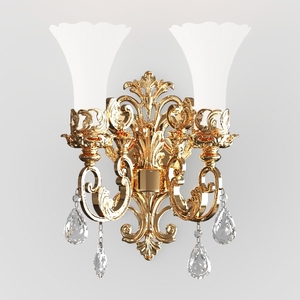


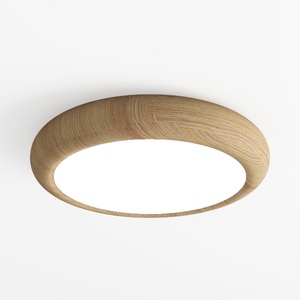
Looking to transform your home? Homestyler is your go-to online design platform! With its user-friendly design tool, stunning 3D renderings, a wealth of design projects, and insightful video tutorials, you'll easily turn your vision into reality—no design experience needed!
Projete agora para LIVRE
































