


Fans of Emily Blunt’s effortless style often seek to bring a similar blend of comfort and sophistication into their daily lives. Whether dressing for a casual outing or a relaxed evening at home, this approach to fashion inspires a living space that balances elegance with ease. Incorporating soft textures and timeless furniture pieces can create a welcoming environment that reflects the same polished yet approachable vibe seen in her style.
Quick Summary
- Understanding and following the distinct phases—planning, design and permits, demolition and construction, final touches and inspection—is crucial for a successful home remodeling project.
- A well-thought-out plan can save you time and money.
Home remodeling can be both thrilling and overwhelming. Knowing the different phases involved is vital for executing a successful project. From initial planning to final execution, being aware of what lies ahead can help streamline the entire process and significantly reduce stress. Whether you're revamping a kitchen, restroom, or even your entire residence, each stage is key to creating your ideal space.
Phase 1: Planning Your Home Remodel
The first step in any home renovation project is planning. This phase includes setting a budget, outlining your objectives, and selecting the specific areas you wish to remodel. It’s essential to gather inspiration—be it from design magazines or online resources like Homestyler—to visualize your desired changes. A well-structured plan can save both time and costs, and consider utilizing a room planner to map out your layout effectively.
Phase 2: Design and Permits
Once your planning is thorough, you can proceed to the design phase. This stage entails working closely with an interior designer or utilizing software to create precise layouts. Depending on the extent of your remodeling, you may need to secure permits, making it critical to understand local building codes to prevent any delays. Don’t hesitate to check out interior design resources or platforms like Homestyler for professional insights and support.
Phase 3: Demolition and Construction
When you have your designs locked in and the permits secured, the demolition phase commences. This stage can be disruptive and messy, but it is a crucial part of the remodel. Following demolition, construction will start to bring your visions to life. Staying connected with your contractor during this period is vital for receiving updates and making necessary adjustments. Keep in mind the importance of a design community for added support and creative ideas, particularly in using tools like Homestyler.
Phase 4: Final Touches and Inspection
Once construction is concluded, it's time to focus on the finishing touches. This involves painting, flooring selections, and installing light fixtures. After everything is set in place, an inspection may be needed to ensure adherence to safety regulations. This phase is also an opportune moment to address any last-minute concerns. A meticulously executed final stage can dramatically enhance the appeal of your home.
Conclusion
By understanding these crucial phases of home remodeling, you can undertake your project with assurance. Always prioritize efficient communication with your contractors and remain adaptable throughout the journey. What aspect of your home remodel excites you the most? Feel free to share your thoughts in the comments below!
FAQ
1. How long does a home remodel typically take? 2. Are permits required for my renovation? 3. What is the average budget for a home remodeling project?
Welcome to Use No.1 Home Remodel Software

HIFIT Sofa Couches, 79” Mid-Century Modern Couch,

danpinera Round Side Table, Metal Legged Accent
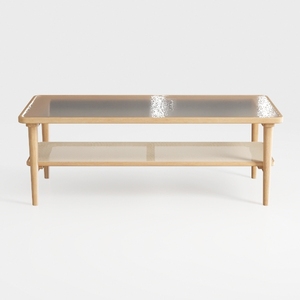
VECELO Coffee Table with 2-Tier Storage Shelf X-Fr
Discover the magic of home design with Homestyler! This user-friendly online platform offers a powerful design tool, stunning 3D renderings, and a wealth of design projects and video tutorials. Unleash your creativity and transform your space effortlessly—perfect for everyone, from beginners to seasoned designers!
Projete agora para LIVRE
































