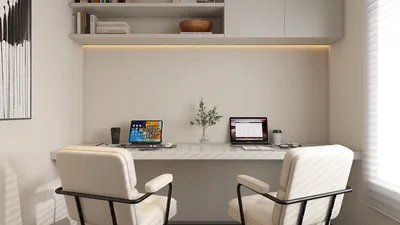


I've installed countless shiplap walls across various homes, from cozy urban studios to expansive lakeside retreats. Its charm is everlasting: featuring clean lines, a subtle texture, and a soothing rhythm that grounds a room without overwhelming it. Before picking up a nail gun, I always base my decisions on functionality and context—considering light, acoustics, ergonomics, and color psychology, ultimately designing a shiplap wall that feels not just trendy, but purposeful, especially when using tools like Homestyler to visualize the end result.
Here are two important insights to keep in mind. Firstly, the spatial rhythm and proportional balance significantly impact perceived comfort and focus. Insights from Gensler's research on workplace environments highlight that thoughtful visual organization can enhance user performance and satisfaction. Secondly, the choice of color is crucial since it alters the mood the shiplap wall evokes: cool tones tend to calm, while warm tones can increase energy. This consistent finding aligns with color psychology insights from Verywell Mind. Keep these factors in mind while planning the placement, finish, spacing, and color of your boards.
Planning the Wall: Scale, Rhythm, and Room Behavior
I begin by identifying focal sightlines—entryway, primary seating arrangements, and the wall framing your largest window or television. A shiplap feature wall thrives where the eye naturally settles. For living rooms with a wall height of 10 to 12 feet, using boards that are 6 to 8 inches wide creates a soothing rhythm. In smaller spaces, opting for 4 to 6-inch boards ensures the design remains refined. It's important to maintain a 2:1 or 3:1 ratio of board height to the reveal (gap) to avoid creating visual clutter.
If you’re rearranging furniture or testing various TV heights alongside your shiplap wall, consider using a quick layout simulation tool like Homestyler. This allows you to visualize how the furniture interacts with the wall, including viewing angles and movement pathways, before you proceed with the installation.
Material Choices: MDF vs. Pine vs. PVC
- MDF: This material is flat, consistent, and cost-effective. It has excellent paint absorption but requires careful priming and should be used in low-humidity conditions. It's best to avoid using it in bathrooms lacking strong ventilation.
- Pine: The natural grain adds warmth and can either be stained or painted. Although it has slight inconsistencies that contribute to its character, it's advisable to acclimatize the boards for 48 to 72 hours to prevent cupping.
- PVC/Composite: Ideal for high-moisture environments like bathrooms and laundry rooms. Although slightly more expensive, it offers greater dimensional stability.
For maintaining good indoor air quality, choose low-VOC paints and sealants. The WELL v2 standard emphasizes VOC reduction for occupant health, so pairing waterborne, GreenGuard-certified coatings with adequate curing time is advisable.
Orientation: Horizontal, Vertical, or Diagonal
- Horizontal installation elongates the room and creates a relaxed vibe, making it perfect for living spaces and bedrooms.
- Vertical boards make the ceiling appear taller and are a great choice for areas behind headboards or in narrow hallways.
- Diagonal patterns add a distinctive flair; it's best to use them on smaller areas to maintain a controlled, intentional feel.
Lighting and Sheen: Texture That Complements Light
Shiplap walls benefit significantly from good lighting. For instance, grazing light from wall washers or tall windows emphasizes shadows in the gaps, enhancing texture. According to IES standards, living areas typically feel most comfortable with an ambient brightness of 100 to 300 lux, while task areas require higher levels. In rooms with ample sidelighting, choosing an eggshell or satin finish can help soften glare and disguise minor surface imperfections. For dimly lit rooms, a paint with a slightly higher LRV (Light Reflectance Value) will help prevent the wall from appearing flat.
Tools and Supplies Checklist
- A calibrated stud finder, measuring tape, level, or laser.
- A miter saw, jigsaw (for outlets), and a nail gun (18 ga) with brads ranging from 1.5 to 2 inches.
- Optional construction adhesive, shims, or spacers (nickels can suffice in a pinch).
- Primer and low-VOC paint, along with paintable caulk and wood filler.
- A sanding block (180–220 grit), safety glasses, hearing protection, and a dust mask.
Wall Preparation: Flat, Clean, and Measured
Ensure the wall is plumb using a 6-foot level or laser. Mark a level line at your board starting point, typically at the floor or ceiling depending on orientation. If the baseboards aren't level, start from the most visible edge (often the ceiling line) and trim the first board accordingly for a seamless finish.
Installation Steps: Straight Lines, Neat Reveals
1) Allow the boards to acclimate in the room for 48 to 72 hours before installation.
2) Mark the studs every 16 inches on center, fastening into these wherever possible.
3) For a smoother paint application, prime board edges prior to installation to avoid shadowing and absorption issues.
4) Begin at the most visible line (like the ceiling for horizontal runs, or a corner for vertical) to maintain symmetry throughout the installation.
5) Use consistent spacers (between 1/8 to 3/16 in) for the reveals, ensuring outlet reveals stay aligned by adding small blocks behind cut pieces.
6) Stagger joints by at least 16 inches to avoid a ladder-like effect in consecutive rows.
7) Ensure each row is level using a long level, making micro-corrections early to prevent compounding gaps.
8) Nail pattern: two fasteners per stud line, positioned at 1 inch from both the top and bottom edges. Set the nails slightly below the surface for a polished look.
Detailing Around Obstacles
For outlets and switches: Turn off power, remove cover plates, and cut boards as needed using a jigsaw. Employ box extenders to keep devices flush with the new wall surface. For corners, decide on mitering or a square edge trim. I prefer the square edge for contemporary designs and tight miter for traditional aesthetics.
Filling, Caulking, and Sanding
Use a lightweight filler to fill in nail holes, sanding flush afterward. Caulk any gaps at the edges where boards meet baseboards, crown moldings, or casings; do not caulk between the boards to preserve the reveal. Spot-prime any repairs to ensure consistent sheen and color across the surface.
Paint Strategy: Color Psychology and Finish
I align color choices with the intended atmosphere: soft whites or warm greiges promote calm in living rooms, muted blues and greens enhance focus in home offices, while darker charcoals create a subtle backdrop for a television wall. Insights from Verywell Mind regarding color psychology correlate with practical experiences—cooler colors foster tranquility and concentration, while warmer tones stimulate energy. For durability, matte finishes work well in high-traffic areas, while eggshell finishes effectively disguise imperfections on textured surfaces like shiplap.
Acoustic and Comfort Considerations
Shiplap can be quite reflective. In rooms prone to echo (like open-concept layouts with hard flooring), balance it with a plush rug, lined curtains, or upholstered seating to create a more comfortable acoustic environment. The WELL v2 standard underscores the importance of acoustic comfort for overall well-being; even small additions like fabric panels or bookshelves can significantly soften the sound in a room.
Safety, Ergonomics, and Mounting Loads
When your feature wall is intended to support a television or shelving, ensure to mount these directly to studs, or utilize a rated in-wall backing. Maintain the center of the TV around 42 to 48 inches above the floor, depending on sofa height and viewer eye level. Ensure a free passageway with a minimum of 36 inches in aisles for optimal comfort in living areas.
Maintenance and Longevity
Use a gentle, non-abrasive cleaner for maintaining painted surfaces. In areas with fluctuating climates, minor hairline cracks may develop; a simple touch-up with filler and paint during spring will keep the wall looking sharp. High-moisture locations benefit from a dehumidifier or exhaust fan to safeguard the edges and paint film.
Cost and Timeline
Material costs differ based on species and profile, with MDF or primed boards often being the most budget-friendly choice, while solid woods and PVC are on the higher end. A typical installation on a 12-foot by 9-foot wall generally requires a focused weekend's effort for a skilled DIYer: a half-day for prepping, one day for installation, and another half-day for finishing touches.
FAQ
Q1. Should I opt for nickel gaps or tongue-and-groove boards?
A1. Nickel-gap boards are forgiving and ideal for beginner installers, while tongue-and-groove provides a neater finish and better accommodates seasonal movements. If humidity changes are significant, I recommend tongue-and-groove.
Q2. Is it possible to install shiplap over drywall?
A2. Absolutely! Make sure to secure fasteners into the studs, and consider applying construction adhesive sparingly to minimize resonance. If your drywall is uneven, employing skim-coating or furring strips can help achieve a flatter surface.
Q3. What is the ideal reveal size?
A3. I typically prefer a reveal size between 1/8 to 3/16 inches. Smaller reveals present a more refined appearance and cast more defined shadows under grazing light, while larger gaps evoke a rustic look and reveal more of the underlying wall.
Q4. For low ceilings, should I go horizontal or vertical?
A4. Vertical boards can create the illusion of a taller ceiling. If horizontal installation is preferred, consider utilizing shorter boards with minimal reveals to avoid emphasizing the low height.
Q5. Which paint sheen is best for hiding imperfections?
A5. Eggshell is generally preferable for living spaces, while satin finishes are better suited for high-traffic zones like hallways. Flat finishes conceal blemishes the best but may scuff easily.
Q6. Is MDF safe for use in bathrooms?
A6. It is safe, but only if there is robust ventilation and careful sealing of the edges. PVC or composite materials, or well-sealed pine, are preferable in consistently humid environments.
Q7. How should I manage baseboards and casings?
A7. For a polished appearance, remove the baseboards, install the shiplap, then reinstall or replace them with a slightly thicker profile. If you opt to leave the baseboards in place, make sure to cut the bottom board to fit snugly against them.
Q8. Can a shiplap wall enhance acoustics?
A8. Not directly—it tends to reflect sound. To address this, consider adding textiles, rugs, and soft furnishings to help balance the room's acoustics, meeting the comfort standards outlined in the WELL v2 guidelines.
Q9. What’s the most effective way to conceal TV cables?
A9. Utilize code-compliant in-wall cable kits or conduits, planning the location of outlets and media boxes ahead of installation. Create access panels as necessary.
Q10. How do I keep my lines perfectly level across a lengthy wall?
A10. Set a laser line, starting from the most visible edge, and check each row for level. Immediate corrections will prevent the compounding of small errors.
Q11. Is priming necessary before painting the boards?
A11. Definitely—particularly for MDF and cut edges. Priming ensures even absorption and prevents shadows or dull areas after the topcoat.
Q12. What nail size is ideal?
A12. I recommend using 18-gauge brads, in a length of 1.5 to 2 inches, driven into studs. Be sure to set the nails just below the surface and fill them for a flawless finish.
Homestyler is your go-to online home design platform! With its user-friendly design tool, stunning 3D renderings, and a plethora of inspiring design projects and DIY video tutorials, you can effortlessly transform your space into a dream home—no experience needed!
Projete agora para LIVRE
































