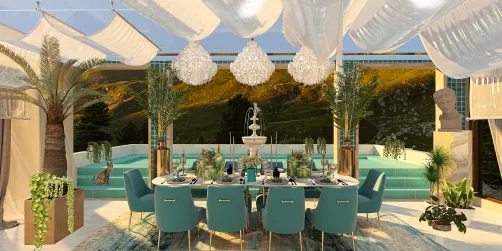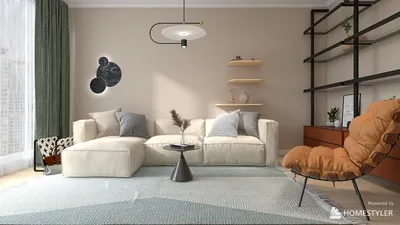
Having designed and coordinated numerous events in garden-style settings, I can confidently say that Anji Reddy Gardens Function Hall fulfills a variety of requirements for weddings, receptions, corporate events, cultural celebrations, and significant milestones. The key to success lies in effective spatial design, appropriate lighting, sound management, and optimizing guest flow, ensuring that every moment is both seamless and unforgettable. In the following sections, I present a comprehensive guide supported by reliable data to aid you in determining capacity, planning with assurance, and optimizing your event setup, making use of tools like Homestyler.
Every event decision revolves around two crucial aspects: lighting and guest flow. According to the Illuminating Engineering Society, general hospitality areas should maintain illumination between 100 and 200 lux, while dining environments require 200 to 300 lux (IES standards). This information is crucial for assessing rental and power requirements. Research from Steelcase highlights how people’s comfort and engagement enhance in spaces that encourage a variety of sitting postures and areas, which is ideal for lounges, dining areas, and dance sections during any event. I will utilize these guidelines as we layout your event plan.
Understanding guest psychology is just as important as decorative elements. A review on color psychology by Verywell Mind shows that warm colors can stimulate energy levels, while cooler shades promote calmness. My experience aligns with this: for instance, using amber uplighting at bar areas can enhance social interactions, while cooler colors near photo booths help minimize glare, resulting in clearer images. If you're planning speeches or ceremonies, considering the WELL v2 standards regarding glare and sound quality can significantly enhance focus and reduce attendee fatigue.
Capacity, Layout, and Flow
Begin with your confirmed guest count, then factor in a 10-15% buffer for potential late RSVPs. For banquet seating, allocate 10-12 square feet per person, while for theater-style arrangements, consider 6-8 square feet. This strategy helps establish an effective area for aisles, staging, buffet lines, and dance floors. If your booking encompasses both outdoor and indoor spaces, create two interconnected zones—one for the ceremony or grand entrance and another for dining and festivities—ensuring smooth transitions. Utilizing a layout simulation tool, such as a room design application like Homestyler, can significantly streamline the planning process and minimize adjustments on-site.
Lighting Strategy: Day-to-Night Control
Garden venues often transition from bright daylight to ambient evening lighting. Aim to achieve 200-300 lux at tables (according to IES standards) and 300-500 lux on the stage for speeches. Incorporate dimmable string lights for a warm glow, LED pars for vibrant color washes (2700-3000K for soft dinner settings), and pin spots to highlight key floral arrangements or cakes. To reduce glare, consider bouncing lights off surrounding trees or structures rather than directing them straight at guests. Strategically position pathway markers every 10-12 feet to direct guests toward restrooms, buffets, and exits.
Acoustics and Noise Control
Outdoor lawns can disperse sound, while solid surfaces and metal roofs tend to create echoes. To achieve even sound distribution, opt for two smaller PA systems instead of one large unit. Incorporate soft materials like carpet runners in main aisles and fabric backdrops near the stage, along with thick table linens. Target sound levels at 65-75 dBA near the dance floor and 55-60 dBA in dining sections to ensure comfortable conversations. Position power generators and dishwashing areas away from guest sections, ideally 50-75 feet downwind.
Power, Rigging, and Safety
Confirm your total power needs early in the planning process. A medium-sized event hosting 200-300 attendees can require between 12-20 kW for lighting, audio, catering, and decor. Distributing circuits for different areas—stage, dining, and vendor booths—can help avoid power interruptions. Ensure all cable runs are secured with tape or ramps, and install emergency lighting along exits and any uneven garden areas. If you plan to suspend decor, verify the rigging points, wind limitations, and overhead clearance, especially for decorative elements like mandaps or floral chandeliers.
Catering and Service Lines
Buffet efficiency is essential: a single 8-foot buffet with service from both sides can comfortably serve approximately 100 guests in about 20-25 minutes. For 300 guests wanting to be served within 30 minutes, prepare three mirrored stations or two buffets combined with live food counters. Ensure plate pickup is positioned at the beginning of the line, with drinks situated to the side to prevent crowding, and position desserts near lounge areas to encourage guests to mingle following dinner.
Color, Material, and Comfort
Select warm white lighting (2700-3000K) for dining areas to enhance skin tones; amplify the event's theme with vibrant colors. Utilizing color psychology principles, incorporate amber or blush lighting at bars and entry points to uplift guest arrival experiences and use cooler shades in photo zones for visual focus. For materials, opt for breathable linens, non-slip runners near wet areas, and shaded seating for senior guests. If the garden surface is uneven, consider renting subflooring for high-traffic areas such as dance floors.
Scheduling and Seasonal Factors
Reserve the venue with adequate time for load-in and strikes, ideally allowing a minimum of 2-3 hours before your event, which should increase if multiple vendors need access. During hot months, schedule ceremonies between 4:30-6:00 PM to mitigate heat and avoid harsh lighting glare in photos. In monsoon season, consider a clear-span tent as an alternative and ensure proper drainage systems are installed to manage potential water flow away from electrified areas.
Photography, Video, and Stage Sightlines
For small audiences, it’s advisable to keep the stage elevated by 12-18 inches, while for larger gatherings (300+ guests), aim for a height of about 24 inches. Make sure there’s an 8-10-foot clearance between the first row of seats and the stage to accommodate camera equipment and movement. Position backlighting to enhance features in evening photography. Ensure any content displayed on an LED wall aligns with the color temperature of your lighting to avoid casting unwanted hues on skin tones.
Booking Tips: Lock the Essentials
- Request detailed information on usable square footage for both the hall and garden areas, as well as ceiling dimensions and power supply specifications.
- Obtain a floor plan that clearly marks columns and fixed obstructions to help design your seating arrangements.
- Clarify details regarding sound curfews, parking availability, and backup power specifications (including kVA and fuel type).
- Ensure there is on-site storage for decorations and a designated area for the bridal party or VIPs.
- Develop a contingency plan in case of rain and clarify what type of tenting or flooring is permitted at the venue.
Budget Pacing and Vendor Coordination
Focus on the most impactful elements: quality lighting, clear audio for speeches, and assuring comfort for guests (shaded areas, fans/misters, or heating solutions). Streamline your rentals by collaborating with one provider for efficiency in delivery. Share a thorough run-of-show with all vendors, anchoring it to key moments like the baraat, vows, dinner service, first dance, and closing songs. Using tools like Homestyler for shared channels helps keep everyone updated and prevents any missed cues.
Sustainability Touchpoints
Utilize LED lighting to achieve substantial energy savings (70-80% less compared to halogen), provide hydration stations rather than relying on single-use bottles, and select local flowers to minimize transport emissions. Repurpose floral arrangements from the ceremony for the reception backdrop and favor fabric drapery instead of foam-based decorations. Choose compostable tableware for informal settings, but confirm your caterer has a proper route for compost disposal.
Sample Layout Scenarios
- For a wedding accommodating 150 guests: Set up a ceremony area with a center aisle, cocktail clusters among trees, and dining set inside the hall featuring 15 round tables alongside an 18x18 dance floor with a DJ near the entrance. Leverage a room layout planner to optimize spacing and movement for service.
- For a reception with 300 guests: Arrange dual buffets on either side of the hall, create outdoor lounge areas, center the stage along one wall, and place satellite bars in the corners to minimize wait times. Employ a room design visualization tool to anticipate crowd movement and service flow.
FAQ
Q1: What is the usual capacity of Anji Reddy Gardens?
A: Typically, garden-and-hall venues can comfortably host between 150-400 guests, depending on the available space. Request the precise usable square footage to effectively organize banquet and theater arrangements before finalizing your booking.
Q2: How much lighting will be necessary?
A: Aim for 200-300 lux for dining areas and 300-500 lux for the stage. Layer string lights, dimmable LEDs, and pin spots for effective lighting. Regularly spaced pathway markers enhance visibility for navigating at night.
Q3: How can I mitigate sound issues in outdoor settings?
A: Implement multiple distributed speakers rather than relying on one loud system. Incorporate soft materials (like runners and drapes) and keep generators positioned at least 50-75 feet away and downwind to maintain comfortable sound levels in dining areas at around 60 dBA.
Q4: What is an appropriate buffet-to-guest ratio?
A: An 8-foot double-sided buffet line can serve approximately 100 guests in 20-25 minutes. For 300 guests, consider organizing three mirrored lines or a combination of buffets and live cooking stations.
Q5: Which colors are most effective for evening events?
A: Warm whites (2700-3000K) enhance the appearance of skin tones and food. Utilizing amber lighting at bars boosts energy levels, while cooler tones around photo areas help reduce glare and maintain balanced colors.
Q6: What is the recommended stage height and spacing?
A: For small gatherings, a stage height of 12-18 inches is suitable, while a height of about 24 inches works best for larger audiences of 300+. Always leave 8-10 feet between the front row and the stage to allow space for cameras and safe movement.
Q7: How should I prepare for unpredictable weather?
A: Include contingency measures such as clear-span tents and slip-resistant flooring. Preplan drainage systems to manage water away from electrical points and safeguard cable pathways with ramps.
Q8: When should I secure my booking?
A: For peak seasons, it’s advisable to reserve your date 4-6 months in advance and finalize vendor load-in schedules early. Allow buffer times in your agreement for setup and take down.
Q9: Are there sustainable options that won’t compromise style?
A: LED lighting, locally sourced flowers, reusable fabric decorations, and hydration stations contribute to sustainability without sacrificing aesthetics. Reusing ceremony decor for reception backdrops is also a great idea.
Q10: What documents should I obtain from the venue?
A: Request floor plans with dimensions and column placements, power specifications (including amperage and phases), sound curfew policies, parking capabilities, and emergency exit routes.
Q11: Can I plan and visualize layouts before the event?
A: Absolutely—using a layout simulation tool, such as Homestyler, allows you to test seating arrangements, aisle widths, and emergency exits, which will help mitigate transition issues between ceremony, dinner, and dance segments.
Q12: How do I ensure shorter lines at the bar?
A: Utilize two smaller bar setups instead of one large bar; place them in distant corners of the venue and prepare signature cocktails in advance. Keeping water stations separate helps alleviate bar queue congestion.

Homestyler is an exceptional online home design platform perfect for all skill levels. Its intuitive design tool, stunning 3D renderings, extensive design projects, and helpful video tutorials make it easy to create and visualize your dream spaces. Transform your home design experience today!