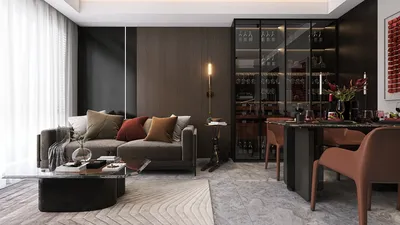


I approach the infusion of scent in a room much like I would with light and color, focusing on creating a sense of comfort, clarity, and a unique signature experience. A room freshener doesn’t have to come with a high price tag to exude sophistication; it simply needs to be harmoniously balanced, safe, and appropriate for the environment. In my design projects, I categorize selections by their form (including sprays, gels, plug-ins, reeds, and diffusers) and their effectiveness (throw, duration, and VOC profile), then I choose a pricing tier that aligns with anticipated use and expectations.
Effective budgeting benefits from established benchmarks in the real world. Research from Steelcase reveals that sensory comfort, including aromas, significantly affects one’s perceived well-being and concentration in various environments. I apply this notion in home design by keeping fragrances moderate and consistent. The WELL v2 olfactory comfort standards also recommend avoiding overpowering scents and favoring low-emission products, consistent with selections that are IFRA-compliant and transparently sourced. When budgets are managed and sensory experiences are gentle, spaces tend to feel more tranquil and functional.
Exploring Formats and Pricing Options
• Aerosol or pump sprays: Immediate impact with an affordable upfront cost. Typical price range: $3–$10 for 200–300 ml. Ideal for quick freshening after cooking or when hosting guests.
• Gel or solid fresheners: Provide consistent, low-intensity scent diffusion that should be replaced monthly. Price typically falls between $2–$6 each. Best suited for closets, powder rooms, or shoe storage areas.
• Plug-in diffusers: Offer steady scent release, complete with replaceable cartridges. A starter unit plus refills usually costs around $10–$25; refills ranging from $4–$10.
• Reed diffusers: Stylish and oil-based, they can last 6–12 weeks. A set can range from $8–$30, while refill oils cost between $6–$15. Adjust the intensity by altering the number of reeds used.
• Ultrasonic essential oil diffusers: Higher initial investment but provide adaptable scent and humidity control. Devices can cost between $18–$60, plus quality oils priced at $8–$20 per 10 ml.
Price Categories: Understanding What You Get
• Starter level ($2–$10): Basic single-note scents (like citrus or lavender), lighter fragrance throw, and minimal packaging. Suitable for smaller rooms and brief usage.
• Mid-tier ($10–$25): Improved ingredient transparency, blended fragrances, longer-lasting scents, and visually appealing containers. Ideal choice for living spaces and bedrooms.
• Premium ($25–$60): Featuring high-quality fragrances, intricate blends, reduced VOC content, and sophisticated packaging design. Justifiable in key areas where scent enhances the overall atmosphere.
Evaluating Longevity Against Costs
I assess costs on a per-week basis instead of solely looking at the initial price tag. For instance, a $12 reed diffuser that lasts for 8 weeks averages out to $1.50 per week, while a $6 gel freshener with a lifespan of 4 weeks also equals $1.50 weekly. Plug-ins can differ based on intensity levels; a medium setting typically allows for 3–4 weeks of fragrance per refill. When it comes to sprays, the usage frequency is crucial—using two light mists a day might empty a 250 ml bottle in a span of 5 to 7 weeks.
The Intersection of Color Psychology and Fragrance Pairing
Color influences our perception of scent. Warm tones like terracotta and honey pair well with fragrances of vanilla, amber, or spicy notes. In contrast, cool colors like sage and slate complement scents such as eucalyptus, marine, or green tea. Insights from Verywell Mind indicate that warm colors can energize while cool colors promote tranquility, which is essential to consider when matching scent intensity in different rooms, such as bedrooms versus kitchens.
Human Sensitivities: Intensity, Distance, and Response
• Maintain moderate scent intensity in bedrooms to support optimal sleep conditions.
• In open-concept areas, select scents with medium throw to prevent overwhelming dining spaces.
• Consider sensitivity for guests and children; prioritize hypoallergenic or essential-oil-based options and steer clear of overwhelming musky fragrances in ventilation areas.
• Proper airflow is crucial. Gentle cross-ventilation accompanied by light scenting helps eliminate buildup and retains a sense of freshness.
Light, Heat, and the Effectiveness of Diffusion
Position reed diffusers away from direct light or heat sources; elevated temperatures enhance diffusion and shorten the product's lifespan. Ultrasonic diffusers placed near bright working lights may reveal vapor visually, which some may find appealing; however, ensure these units are set to low output in workspace zones to minimize distractions. Choosing the right lighting temperature (2700–3000K for living areas and 3500–4000K for kitchens) enriches the ambiance that the fragrance aims to create.
Planning Layout and Strategic Placement
I conceptualize fragrance distribution like a floor plan for traffic flow. Entryway: uplifting citrus or fresh green notes for a quick impact. Living area: soothing woods or tea blends for lasting comfort. Kitchen: herbal scents that won’t clash with food aromas. Bedrooms: fragrances like lavender, chamomile, or subtle skin notes. Bathrooms: refreshing eucalyptus or mint to convey cleanliness. If experimenting with placements, a room layout tool, such as Homestyler, can effectively visualize movement patterns and ensure that a diffuser or plug-in works harmoniously with airflow.
Sustainability Practices and Material Choices
Look for phthalate-free formulations and ensure adherence to IFRA standards. Opt for refillable containers and bulk essential oils to minimize packaging waste. Select natural materials like rattan reeds over synthetic alternatives, and choose glass vessels that can be easily recycled. A consistent, small-purchase strategy is preferable to sporadic splurges that can lead to rapid scent fatigue.
Cost-Effective Scenting Solutions Room by Room
• Living Room: Invest in a $10–$15 reed diffuser featuring cedar and bergamot; utilize 6–8 reeds for a balanced scent throw.
• Kitchen: Select a $4–$8 gel freshener in basil or lemongrass; replace monthly to maintain freshness.
• Bedroom: Use an $8–$12 pillow spray with lavender and vanilla; apply two mists 20 minutes prior to sleep.
• Bathroom: Purchase an $8–$14 plug-in diffuser with eucalyptus; set to a low output to avoid excessive scent.
• Entryway: Use a $6–$10 citrus spray for quick refresh after warmth and humidity from shoes and jackets.
Maintenance Strategies and Safety Precautions
Rotate scents with the changing seasons to prevent olfactory fatigue. Clean diffuser bottles each month to avoid dust accumulation on reeds. Ensure all scent products are placed out of reach of pets; be mindful that certain essential oils, such as tea tree oil, may not be safe for animal companions. Keep a record of placement so that refills are executed in a timely manner, rather than reactively.
Smart Budgeting Tips
• Choose one standout scent for each floor to prevent overlapping fragrance notes.
• Buy refills in pairs to ensure scent consistency.
• Set plug-ins to low outputs to prolong refill life by 20–30%.
• Favor neutral base notes in communal spaces; reserve floral scents for private areas.
• Track scent usage weekly; be ready to adjust if the weekly cost exceeds your budget.
Frequently Asked Questions
For compact living spaces, a budget of $8–$20 can cover a reed diffuser alongside a gel or spray. Larger places with multiple floors may range from $15 to $35 depending on scent formats and usage frequency.
Reed diffusers serve as a cost-effective solution for ongoing background fragrance. Plug-ins can be economical when operated on lower settings. Sprays are more suitable for infrequent scent applications rather than daily routines.
Opt for lower intensity. Select calming fragrances such as lavender or chamomile while steering clear of assertive spices or potent musk fragrances. Place diffusers away from heads of beds.
Absolutely. Warm color schemes perfectly complement cozy scents like vanilla and amber; cool tones work harmoniously with fresh herbal and marine scents, supporting the desired atmosphere in any room.
Not necessarily. Safety rests on the concentration levels and nature of the oils. Always look for products compliant with IFRA standards and avoid oils that are known to be harmful to pets or sensitive individuals.
Rotate within a category of notes every 8–12 weeks, ensure moderate scent intensity, and prioritize good ventilation to allow the nose some recovery time.
Purchasing a $10–$12 reed diffuser for the living room plus a $6–$8 kitchen gel keeps your home scented functionally and economically without overspending.
Place near airflow but not directly in draft paths—locations near corners or adjacent to circulation routes are ideal. Avoid exposure to strong sunlight or heat sources to maintain longevity.
Insignificant power consumption. Most products operate on low power; using them at reduced settings ensures both scent and energy efficiency.
Select fresh, familiar aromas (like citrus or soft woods), maintain low intensity, and avoid complex gourmand scents in shared living spaces.
Built on technology originally developed at Autodesk, Homestyler empowers anyone to design beautiful, realistic spaces in minutes. Join over 18 million users who have already discovered a smarter way to plan, visualize, and bring their dream homes to life — all from the comfort of a browser.
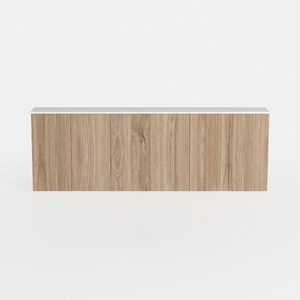
Minimalist Solid Oak Wood Wall Mounted Cabinet 3D Model
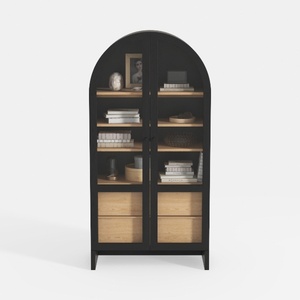
Modern Black Oak Arched Glass Display Cabinet 3D Model
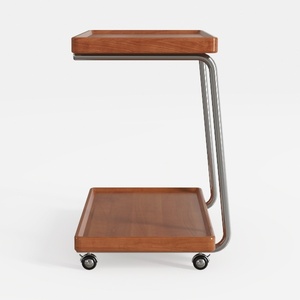

Modern Solid Wood Metal Rolling C Shaped Side Table 3D Model
Homestyler is your go-to online home design platform! Enjoy its user-friendly design tool, stunning 3D renderings, and a wealth of inspiring design projects. Plus, learn with easy-to-follow DIY video tutorials. Bring your interior dreams to life effortlessly with Homestyler!
Projete agora para LIVRE
































