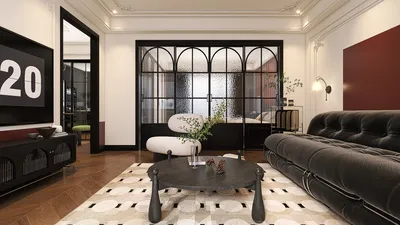


I consider mirrors to be both artwork and essential design elements: they enhance light, guide perspectives, and alter the perception of space. In living areas—where interaction, comfort, and presentation meet—decorative mirrors can provide brightness, harmony, and visual flow without the need for any structural modifications with tools like Homestyler to help visualize the layout.
Proven Advantages
Natural light is the most significant aspect that mirrors can amplify. The WELL v2 Light standards suggest that adequate access to daylight aids in circadian health and improves cognitive functions across various tasks. Research from Steelcase also links well-lit, comfortable spaces to enhanced mood and engagement, reinforcing how reflective surfaces can redistribute light instead of relying solely on high-output lighting. For instance, IES guidelines for residential spaces typically focus on vertical illumination and minimizing glare rather than just maximizing footcandles, making mirror placement a practical strategy for boosting vertical brightness and minimizing contrast.
The perception of colors changes with varying light qualities. Verywell Mind's insights into color psychology indicate that warmer tones can create a sense of comfort while cooler shades can induce tranquility; mirrors can heighten these color perceptions by reflecting ambient light and surrounding textures. When used effectively, they can enhance the color story rather than dilute it.
Design Goals for Living Room Mirrors
My design philosophy revolves around five goals: to increase daylight without causing glare, extend sightlines to alleviate visual confinement, create a focal point hierarchy, rectify spatial imbalances (like low ceilings or narrow layouts), and introduce contrasting materials. During the layout process—considering sofa orientations, movement flows, and ways to control reflections—I utilize a room design tool like Homestyler to simulate sightlines, light reflection, and angle adjustments prior to making final decisions.
Types of Mirrors and Their Benefits
• Statement wall mirrors: Large, minimal-bezel mirrors can make a room feel taller when placed opposite windows at an angle of about 10–15° to reduce direct glare. Opt for low-iron glass to preserve color accuracy, and a vertical design enhances the room's perception of height.
• Panel mirrors: A grid of smaller panels introduces rhythm and softens overall reflection, making it less visually disruptive. Blackened steel or bronze frames offer a graphic element that complements modern or industrial styles.
• Arched mirrors: The gentle curve helps break the monotony of straight lines and pairs seamlessly with traditional moldings or modern minimalist designs. Position them strategically to catch window light without reflecting fixtures directly; arches can serve as architectural highlights rather than mere decorations.
• Leaning and floor mirrors: Ideal for smaller rooms where wall space is limited. A slight lean adds visual interest and helps manage glare by tilting away from primary seating areas.
• Mirrored consoles and furniture surfaces: Controlled reflections from furniture can add depth without requiring full-wall mirrors. Select satin or smoked finishes to avoid visual clutter.
Considerations for Size, Placement, and Sightlining
Scale is crucial: aim for mirrors that measure about 60–75% of the width of accompanying furniture (sofa or console) to create visual unity. Position the mirror's centerline slightly lower above seating areas to ensure reflections hit an occupant’s eye level; a height of 54–60 inches works for most homes. Avoid directing mirrors to show dull walls—direct them towards windows, artwork, or styled shelves for a deliberate view.
In long, narrow living areas, hang a mirror on the short wall across from the entryway to visually extend the space and diminish corridor-like features. When considering layout, tools like Homestyler can assist in imagining seating arrangements and reflection zones before finalizing placements.
Lighting, Glare, Color Temperature, and Vertical Brightness
I synchronize mirror locations with lighting strategies. Mirrors should not reflect bare bulbs in the primary line of sight; using shielded fixtures, indirect lighting, and diffused lamps can soften any harsh reflections. When combining natural light with artificial sources, target warm light temperature ranges (2700–3000K in the evening and 3000–3500K during the day) to preserve the inviting ambiance while leveraging mirror reflections. Employ low-sheen wall finishes opposite mirrors to maintain contrast without harsh glare.
With abundant daylight, focus on increasing vertical brightness instead of horizontal. Mirrors directed towards soft, textured walls reflect light gently. If glare is a problem, small adjustments to angles or the addition of sheer drapery can help diffuse the source.
Materiality and Eco-friendliness
Select mirrors with FSC-certified wood frames or recycled metals whenever feasible. Low-iron glass enhances color quality, while antique or smoked finishes reduce brightness in sunlit rooms. Opt for moisture-resistant backings in humid areas, and favor frames with durable finishes over overly coated plastics to prolong lifespan.
Color Perception and Mood Enhancement
Mirrors amplify adjacent colors. To increase warmth in cooler palettes, place a mirror alongside terracotta ceramics or walnut elements; for a serene feel, pair it with soft blues and linen textures. If striking artwork is positioned opposite the mirror, keep the frame understated to minimize competition—let the mirror be a catalyst for reflection, not the main event.
Acoustic and User Considerations
Hard reflective surfaces can slightly elevate high-frequency responses in sparsely furnished areas. Balance mirrors with soft rugs, upholstered furniture, and fabric drapes to enhance acoustic comfort. Pay attention to sightlines: avoid reflections in TV viewing spots to reduce distractions and refrain from placing mirrors behind seating where self-perception may become prominent.
Upcoming Trends for 2024–2025
• Organic, irregular mirrors: Soft, non-traditional shapes contrast nicely with straight-edged fixtures, adding a biophilic touch without being literal.
• Slim metal frames with rustic patinas: Aged brass or burnished finishes provide elegance without overwhelming shine.
• Layered mirror and artwork displays: Mirrors as backgrounds to artistic details create depth and enhance visual hierarchy.
• Smoked and tinted mirrors: Subtle hues help moderate brightness in well-lit areas and suit modern color schemes.
Installation Guidelines
• Confirm wall type and utilize appropriate anchors; heavy leaning mirrors require anti-tip features.
• Evaluate reflection targets from both seated and standing positions before final installation.
• Allow 3–6 inches above consoles for breathing room; align frame edges neatly with nearby architectural lines for cohesive aesthetics.
• Implement dimmable lighting nearby to adjust ambiance as natural light changes.
Support for Layout Design
Before any drilling occurs, I chart seating arrangements, movement pathways, and glare angles. A design simulation tool like Homestyler aids in assessing mirror angles relative to windows and sconces, previewing how reflections will interact with furniture and art. This preliminary step saves valuable time and prevents the common mistake of ‘doubling the TV’ with reflections.
Frequently Asked Questions
Q1: How can mirrors help a small living room feel more spacious without causing glare?
A1: Position a medium-to-large mirror directly across from a textured, light wall at a slight angle, avoiding reflections of bare bulbs or direct sunlight. Utilize diffused lighting and sheer curtains to soften glare while enhancing vertical light.
Q2: What should be the size of a mirror above a console or sofa?
A2: Aim for mirrors that are 60–75% the width of the furniture. Position the mirror’s center around 54–60 inches from the floor, adapting to ceiling heights and seating eye levels.
Q3: Are grid mirrors better than a single large pane?
A3: Grid mirrors can reduce visual clutter and introduce a rhythmic feel, making them a great option where a big reflection might be overwhelming. They also add a structured graphic element to minimalist spaces.
Q4: What color temperatures work best with mirrors in living rooms?
A4: Warm tones—2700–3000K in the evening and up to 3500K during the day—help maintain a cozy atmosphere while ensuring reflections are pleasant. Shielded fixtures prevent excessive glare.
Q5: How can I avoid mirrors reflecting the TV?
A5: Check sightlines from a seated position; if the TV is visible in the mirror, move it to a side wall or adjust its angle. Aim to position mirrors to reflect windows or art instead of screens.
Q6: Do arched mirrors fit well in contemporary settings?
A6: Absolutely. The soft curve complements the angular designs found in modern architecture while using thin metal frames adds a contemporary touch.
Q7: Can mirrors negatively impact acoustics?
A7: Mirrors are hard surfaces and can elevate high-frequency sounds, but careful layering with rugs, upholstered pieces, and curtains can maintain a comfortable acoustic environment. Avoid large mirror spreads in sparsely decorated spaces lacking soft materials.
Q8: What sustainable choices are available for decorative mirrors?
A8: Opt for frames made of recycled metals or FSC-certified woods, and look for frames with repairable surfaces. Low-iron glass provides improved color quality and durability without excessive coatings.
Q9: Do tinted or smoked mirrors work well in bright south-facing rooms?
A9: Yes. Subtle tinting can balance brightness and enhance contrast. Pair with warm metal frames to avoid a cold ambiance.
Q10: Is a floor-leaning mirror safe in a living area?
A10: Use anti-tip brackets and check the angle for glare management. Ensure clear pathways for movement and avoid placing leaning mirrors in areas where children might climb.

Fluted Storage Cabinet, 31.5“ Wooden Sideboards

Plank+Beam Classic Square Side Table, Slim Side
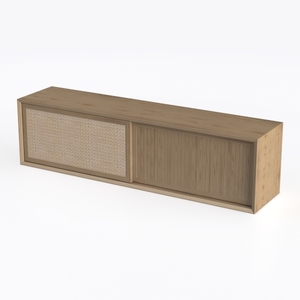
JOZZBY Set of 3 Storage Cabinet, Sideboard Buffet
Homestyler is your go-to online platform for effortless home design. With its easy-to-use design tool, stunning 3D renderings, and a wealth of DIY video tutorials, you'll transform your space with confidence. Perfect for both novices and seasoned designers looking for inspiration!
Projete agora para LIVRE
































