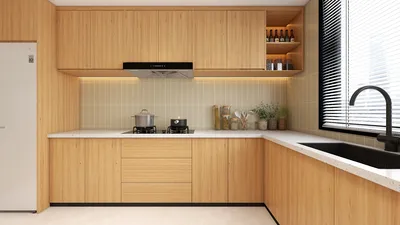


I consider wallpaper much like lighting: it establishes ambiance, highlights proportions, and subtly influences the overall atmosphere of a room every day. When deciding on options for a drawing room, the price is a key factor that intersects with the choice of materials, the complexity of installation, and long-term durability. Here’s a straightforward guide to assist you in budgeting smartly, making informed choices, and steering clear of expensive mistakes, possibly aided by tools like Homestyler.
Understanding Typical Price Ranges and Influencing Factors
Generally, residential wallpapers range from $2 to $12 per square foot for the materials alone, with specialized papers costing $20 to $50 per square foot. The installation fee usually adds an extra $3 to $8 per square foot based on factors such as wall conditions, pattern intricacy, and local labor rates. According to research from Steelcase on how visuals affect cognitive load, bold patterns or high-contrast colors can change how spacious a room feels, which is an important consideration alongside cost—soothing blends tend to create a serene vibe and appear more upscale in living areas.
Value is also shaped by color choice. Warm neutrals welcome visitors; muted blues and greens, as noted by Verywell Mind’s review of color psychology, evoke tranquility, while bright reds can stimulate energy—ideal for social areas, but potentially overwhelming if overly used. Vibrant colors and intricate designs can fetch higher prices, particularly in designer collections, necessitating careful selection to prevent visual strain.
Material Types and Cost-Performance Considerations
• Paper: $2–$6 per square foot for materials. Ideal for classic designs, but less durable against moisture and wear; best suited for smooth, primed walls.
• Non-woven: $4–$10 per square foot. Stable, simple to install and remove, offering good value over time.
• Vinyl-coated / Solid vinyl: $5–$12 per square foot (coated) and $8–$16 per square foot (solid). They're durable and easy to wipe clean; solid vinyl is great for families and busy living areas.
• Grasscloth / Natural fibers: $12–$30+ per square foot. Offers rich texture and depth; seams are part of the design. Avoid direct sunlight without protective measures to prevent fading.
• Fabric-backed / Textile: $15–$40+ per square foot. Luxurious texture and improved acoustics, but higher installation skill is required—factor in costs for expert assistance.
Installation Costs and Complexity of Patterns
The cost of installation is influenced by more than just total area covered. A pattern’s repeat (e.g., 12–30 inches) can increase material waste; a large repeat may add 10–20% to your calculations. Complex layouts and corners can also raise labor costs. For flat walls needing minimal prep, you might see rates at $3–$5 per square foot; however, extensive preparation like skim coating or priming can push costs toward $6–$8 per square foot. For rooms with various openings and recesses, plan to purchase an extra roll for perfect alignment.
Light, Color, and Visual Comfort Factors
Lighting plays a crucial role in how wallpaper appears throughout the day. The WELL Building Standard emphasizes the benefits of managing glare and ensuring balanced lighting for comfort; glossy finishes can reflect light sources while matte or eggshell finishes help diffuse brightness and minimize hotspots. Cooler color temperatures (4000–5000K) enhance contrast and render patterns crisp; warmer lights (2700–3000K) soften outlines and promote a cozy feeling—carefully combining light tones with your color palette can prevent mismatches.
Acoustics and Texture in Communal Areas
Drawing rooms thrive on controlled sound reverberation—particularly in spaces with hard floors. Heavier textiles, flocked wallpapers, and grasscloth introduce micro-textures that enhance sound absorption. While wallpaper isn't a replacement for acoustic panels, implementing a textured wall behind seating areas can mitigate echo and enhance the sense of intimacy.
Smart Measures for Waste and Ordering
To prepare for wallpapering, I measure each wall, subtracting large openings before adding waste for pattern repeats and trimming. For straightforward patterns and low repeats, a waste factor of 10% is standard; for larger patterns or diagonal designs, account for 15–20%. If the brand provides dye-lot numbers, ordering in a single lot is wise to ensure consistent color. Keeping a spare roll for future repairs is an invaluable practice for peace of mind.
Thoughts on Layout and Feature Walls
Wallpaper doesn’t need to envelop every wall. A feature wall behind the sofa, opposite the main entrance, or framing a fireplace can create striking impact with lesser material usage. When arranging furniture and optimizing sightlines, I visualize placement to avoid chaotic patterns clashing with shelving or art. For quick layout simulations, utilizing a room layout tool like Homestyler can help you foresee scale and balance prior to making a commitment.
Long-Term Value, Durability, and Cleanability
For families with children or pets, scrubbable vinyl or high-grade non-wovens are the best options. Always check the washability ratings: the distinctions between sponge-clean and scrubbable are crucial. UV resistance helps prevent fading caused by sunlight; pairing with UV film on windows extends color life. In humid regions, avoid pure paper near exterior walls unless well sealed—consider the specs before relying on certain materials.
Common Financial Pitfalls to Sidestep
• Underestimating preparation needs: Patching and priming can require significant time—budget accordingly.
• Overlooking pattern repeats: A 24-inch repeat can subtly necessitate an extra roll for a large wall.
• Neglecting samples: Always order memo samples; colors may shift based on your actual lighting.
• Forgetting about electrical and trim details: Outlets, backplates, and crown profiles complicate cutting and matching.
Budgeting Scenarios
• Budget-conscious: Non-woven options in the $4–$7 per square foot range, featuring simple patterns on one accent wall; consider DIY installation if walls are in pristine condition and you feel confident.
• Mid-range: Vinyl-coated or textured non-woven at $6–$12 per square foot for two walls; professional installation ranging from $4–$6 per square foot.
• High-end: Grasscloth or textured textiles at $18–$35+ per square foot with professional installation; look at matte lacquered trims and controlled lighting to enhance final touches.
Maintenance and Refresh Frequency
Gentle cleaning with a microfiber cloth and mild soap preserves the coating. Steer clear of abrasive materials. If a seam lifts, use a tiny brush with adhesive to flatten it; heat guns should be left to professionals. When repainting trim, carefully mask to avoid roller splashes on textured wallpaper. Store leftover rolls in dry, sunless areas.
FAQs
Q1: What’s a realistic total cost for a standard drawing room?
A mid-sized room (approximately 180–220 square feet of wall area on a feature wall and one side return) usually costs between $600 and $1,800 total, influenced by the material choice ($6–$16 per square foot) and installation costs ($4–$7 per square foot). Complicated patterns or required wall repairs can elevate this price.
Q2: How many rolls should I buy?
Determine wall area, divide by the roll’s coverage (typically 50–60 square feet for double rolls), then add 10–20% for waste based on design. Always check the actual roll’s coverage indicated on the packaging.
Q3: Is grasscloth suitable for a social living area?
Absolutely, provided you accept visible seams and protect it from direct sunlight and spills. Grasscloth introduces warmth and slight acoustic benefits; keep food and drinks situated properly using side tables to prevent accidents.
Q4: Can wallpaper make a small drawing room appear larger?
Yes, using light, low-contrast patterns and vertical designs can create an illusion of height and openness. Studies on visual environments, especially from sources like Steelcase, reveal that lower visual complexity aids in reducing cognitive load, making spaces feel calmer and bigger.
Q5: Which finishes look best under warm LED lighting?
Matte or eggshell finishes work best with 2700–3000K lighting, softening shadows and keeping patterns subtle. High-gloss finishes can create unwanted glare; use them sparingly.
Q6: How do I select colors that enhance social comfort?
Muted greens, blues, and inviting neutrals foster relaxed interactions, while red accents energize but can dominate if spread over larger areas. Verywell Mind’s color psychology emphasizes the importance of these associations—tailor intensity to your natural light and lamp color temperatures.
Q7: Is DIY feasible or should I hire a professional?
DIY is manageable with non-woven, paste-the-wall options on smooth surfaces and simple patterns. However, it’s best to employ a professional for grasscloth, textiles, intricate repeats, or walls that require preparations like skim coating and lining paper.
Q8: Will wallpaper significantly impact acoustics?
Textured and denser wallpapers can contribute to sound absorption, which is beneficial, but they won't replace the need for rugs, curtains, and other soft furnishings. A textured feature wall behind seating could help manage echo effects.
Q9: How can I prevent seams from opening?
Proper wall preparation, using the correct adhesive, and acclimating rolls to room temperature are essential. Avoid installation in high humidity; ensure fresh paint has cured properly before wallpapering.
Q10: What’s the best method for walls that get direct sunlight?
Utilize UV-resistant wallpaper materials or apply window films, and consider drapery for additional protection. Opt for color selections with high lightfast ratings to reduce fading risks.
Q11: How should I approach outlets and switches during installation?
Turn off power, remove cover plates, cut the wallpaper cleanly around the boxes, and reinstall the plates afterward, ensuring pattern alignment for a clean look.
Q12: Is it possible to mix different wallpapers in a single room?
Certainly—just ensure to balance the scale and color temperature. Pairing a subtle textured wallpaper on perimeter walls with a bolder accent wall can effectively anchor the space around seating areas.
Originally incubated at Autodesk, Homestyler has grown into one of the most widely adopted home design platforms in the world, now trusted by over 18 million users. Whether you're a homeowner exploring ideas or a professional designer delivering client-ready renders, Homestyler brings industry-leading 3D technology to your fingertips — no experience required.

Modern Oak Linen Fabric Sofa 3D Model
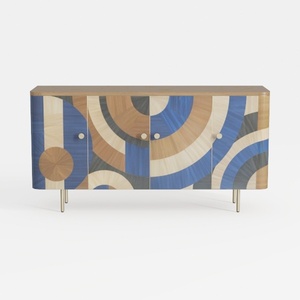
Art Deco Geometric Pattern Solid Wood Sideboard with Metal Legs 3D Model
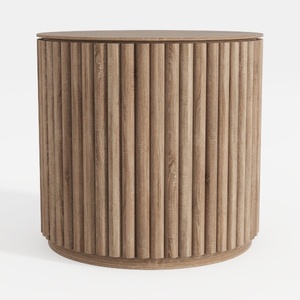
Minimalist Fluted Solid Wood Round Side Table 3D Model
Discover Homestyler, the ultimate online home design platform! With its user-friendly design tool, stunning 3D renderings, and a wealth of inspiring video tutorials, you can effortlessly create and visualize your dream spaces. Perfect for both beginners and seasoned designers alike!
Projete agora para LIVRE
































