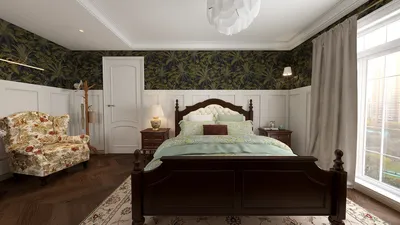


Water-resistant wallpaper serves as more than just a practical solution for homes prone to splashes—it acts as a stylish element that enhances character, simplifies maintenance, and promotes wellness. My selections of waterproof wall coverings have been consistently effective in spaces like living rooms adjacent to kitchens, areas with indoor plants, and pet zones. The ideal product reliably provides greater durability, effortless cleaning, and a polished look that withstands daily life.
The importance of durability cannot be overstated. Research from Gensler indicates that 83% of individuals appreciate well-maintained environments, which boost comfort and concentration—this principle applies directly to residential living rooms. From a wellness perspective, the WELL v2 framework emphasizes the need for moisture management and easily cleanable surfaces to enhance indoor environmental quality; waterproof wallpaper successfully addresses both needs by repelling stains and facilitating hygienic maintenance.
Color plays a crucial role in influencing mood. An overview from Verywell Mind points to the calming effects of blue and green shades, while warm neutrals create a cozy atmosphere. Combining these color palettes with waterproof finishes ensures a cohesive ambiance even in areas around plants, aquariums, or drink stations.
Understanding Truly Waterproof Wallpaper
It’s important to note that not all wallpapers labeled as "washable" or "scrubbable" are truly waterproof. I prioritize materials that feature a non-porous top layer (like vinyl or polyurethane), adequately sealed seams, moisture-resistant backing, and adhesives suitable for humid environments. Solid vinyl and vinyl-coated fabrics consistently outperform paper-backed varieties, especially in living rooms adjacent to kitchens or patios, as they resist splashes, pet accidents, and condensation without warping or staining.
Material Choices and Their Benefits
• Solid vinyl (Type II or made for residential use): provides excellent moisture resistance, easy cleaning, and is perfect behind drink carts or near plants.
• Vinyl-coated paper: offers a good balance between cost and functionality, ideal for feature walls away from moisture exposure.
• Fiberglass-reinforced wall coverings: provide durability and stability; can be painted or coated for customized finishes.
• Nonwoven backings: allow for breathability and easier removal while being paired with waterproof top coats to enhance moisture protection.
• Peel-and-stick alternatives: ideal for renters; select waterproof-rated options that feature a thick vinyl surface.
Design Approaches for Living Rooms
Waterproof wallpaper can be both functional and aesthetically pleasing. I prefer matte or low-sheen finishes to reduce glare from LED lighting. Fine textures such as grasscloth-look vinyl or linen embossing add warmth and dimension without attracting dirt. If your living room opens to the kitchen, consider balancing vivid accent walls with muted tones to ensure visual flow. For areas with plants and aquariums, mid-tone greens or blues work well, as they blend beautifully with biophilic aspects while concealing minor spills.
Lighting, Glare Management, and Comfort
Waterproof vinyl tends to reflect more light. Aim for layered lighting with a color temperature of 2700–3000K in living rooms to maintain a welcoming atmosphere. Using dimmable fixtures and selecting wallpapers with micro-textures can control specular reflections. To manage glare effectively, incorporate a balanced mix of ambient and task lighting; avoid placing shiny wallpapers directly opposite bright windows or exposed bulbs.
Ergonomics and Everyday Use
Living rooms experience high traffic and frequent touchpoints: behind sofas, around entertainment centers, and in pathways. Waterproof wallpaper proves its value in these areas by resisting fingerprints and smudges. I recommend placing durable finishes near entryways and beverage stations, while reserving more delicate patterns for upper wall sections or out-of-reach corners, aligning with typical behavior patterns, where families and pets gather around accessible surfaces.
Moisture-Prone Areas: The Importance of Waterproofing
• Surrounding indoor plants: Watering and evaporation can lead to common challenges; waterproof wallpaper prevents swelling and discoloration.
• Close to external doors or sliding glass doors: Humidity, rain, and condensation can occur—sealed seams are critical in preventing damage.
• Nearby open kitchens: Occasionally, steam and splatters arise; prioritize materials that are washable and non-porous.
• Home bar or coffee station areas: Surfaces that are easy to clean help prevent stains from setting in.
Selecting Effective Colors
Color should be viewed as a strategic choice rather than just decoration. Calming blues and greens facilitate relaxation, while warm off-white and taupe shades offer a welcoming feel. Dark charcoal or deep teal accent walls highlight artwork and minimize visual clutter around media areas. Use high-chroma accents sparingly; while waterproof surfaces are simple to maintain, high-gloss hues may increase glare. Mixing textured neutrals with soft lighting provides a soothing balance.
Patterns, Scale, and Visual Harmony
Large patterns can unify a living room, particularly on a single accent wall opposite the entrance. Vertical designs can subtly elevate the perceived ceiling height, while horizontal textures can make narrow spaces feel wider. Strive for a visual balance with a 60–30–10 color distribution: 60% base color, 30% secondary color, and 10% accent color. This approach helps waterproof finishes blend seamlessly with furniture and flooring.
Best Practices for Installation
• Preparation: Apply a moisture-tolerant primer and skim-coat the wall, as flaws can emerge through vinyl.
• Adhesives: Use mildew-resistant, high-tack adhesives that suit vinyl backing; always refer to manufacturer guidelines for compatibility.
• Seams: For perfect joins, employ double-cut techniques; apply a clear seam sealer particularly close to moisture-prone areas.
• Electrical and AV Areas: Ensure cable paths are coordinated to prevent seams from aligning with high-heat elements.
• Curing Time: Allow adequate time for off-gassing and bonding; clean gently with a mild, pH-neutral solution afterward.
Maintenance and Durability
Cleaning waterproof wallpaper can be done using a soft cloth and a diluted detergent. Avoid abrasive pads as they may damage the texture. A monthly cleaning routine in high-contact areas is advisable, and for tougher stains, test in a discreet spot first. Ensuring good ventilation and managing humidity levels help maintain adhesive integrity and reduce seam damage.
Sustainability Matters
Opt for low-VOC options and manufacturers that provide third-party environmental credentials. Some vinyl wall coverings may utilize recycled materials; nonwoven backings can easily be removed, reducing renovation waste. Pair style durability with timeless textures to minimize replacements and lessen environmental impact.
Layout Considerations for Features and Focal Points
Waterproof wallpaper excels when the layout enhances its appearance: establish an accent wall behind the sofa, encircle a nook with a bar cart, or frame shelving with a textured finish that withstands occasional splashes. For those rethinking furniture arrangements or planning focal walls, employing a room design visualization tool can assist in assessing sight lines and glare before wallpaper installation, including features offered by tools like Homestyler.
Budgeting and Value Assessment
Material choices and embossing quality dictate costs. Vinyl-coated papers are economically viable, whereas Type II vinyls or designer textures are more expensive. Don’t forget to factor in professional installation—precise seams and sealing are essential in moisture-rich areas. The investment results in a cleaner, more resilient living room requiring fewer repaints over time.
Expert Insights
Informed design choices benefit from consulting reputable sources: WELL v2 reinforces the significance of moisture control and cleanability for environmental quality, while Gensler’s findings link maintenance to user comfort and satisfaction. Thoughtfully chosen color schemes based on established psychological insights help align wallpaper selections with desired outcomes—be it relaxation, connectivity, or concentration.
Frequently Asked Questions
Waterproof varieties incorporate non-porous top layers (such as vinyl or polyurethane) and moisture-resistant backings. While washable wallpaper allows for easy cleaning, it might still absorb moisture at seams. Always choose products rated for humid environments, and utilize seam sealers in areas near plants or external doors.
When appropriately installed over a primed, dry surface with good airflow, it doesn’t trap moisture. Avoid using it over leaks or damp areas; rectify any issues first and apply mildew-resistant adhesives.
Ideal for smooth surfaces, as heavily textured walls can affect adhesion and visible finish. Prepare your walls with skim-coats, sanding, and compatible primer before applying wallpaper.
Glistening vinyl can create hotspots. Opt for matte or low-sheen finishes alongside 2700–3000K dimmable lighting to mitigate glare. Position lights strategically to avoid direct reflections.
Serene greens, soft sages, and muted blues complement greenery while offering restorative qualities, aligning with the calming influence of these cooler tones.
Monthly cleanings in frequently touched areas are sufficient. Use a soft cloth and pH-neutral cleaning agent; steer clear of harsh materials that may damage texture or compromise seam integrity.
Yes, select versions with thicker vinyl exteriors and strong but removable adhesives. Testing a sample can ensure effective removal without damaging your wall paint.
Absolutely. Ensure seams are distanced from heat-emitting devices and that cables avoid rubbing against intricate textures. Matte finishes can minimize glare from screens.
Implement double-cut seams, utilize high-tack, mildew-resistant adhesives, and apply a clear seam sealer for optimal results. Maintain stable humidity and air flow to keep bonds intact.
It varies based on the product. Aim for low-VOC certifications and seek out recycled content when available, prioritizing durable designs to minimize turnover.
Yes. Employ waterproof wallpaper in high-traffic or moisture-endangered zones while utilizing paint in other areas. Maintaining a cohesive palette creates visual continuity.
Choose medium-scale, low-contrast patterns that add texture without overwhelming the space. Vertical designs subtly enhance the perception of height.


Homestyler is your go-to online home design platform! With its user-friendly design tool, stunning 3D renderings, and helpful video tutorials, transforming your space into your dream home has never been easier. Dive into a world of creativity with inspiring design projects tailored just for you!
Projete agora para LIVRE
































