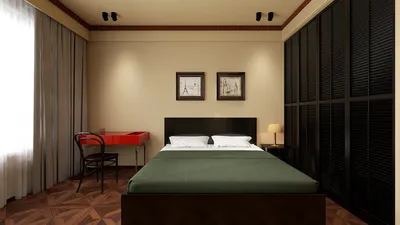


I once worked with a client on Mercer Island who was adamant about painting their small hallway the exact shade of a lobster roll—bright coral, indeed—because "it brings joy to my mother." I painted it, and she shed happy tears, which taught me that color evokes emotions rather than logic. My experiences with small spaces and unique requests have shown me that they can unleash remarkable creativity, and at times, a daring choice proves to be the best one.
When it comes to matching paint with layout, I frequently advise homeowners on straightforward room planning techniques that ensure the color harmonizes with furniture flow. Here, I present five practical painting suggestions specifically designed for homes on Mercer Island—considering factors like local weather, history, and natural light—and I’ll guide you on what works best, what to be cautious about, and when it’s wise to enlist a professional.
1. Gentle, Warm Neutrals That Brighten Up Gray Skies
Given Mercer Island's variable skies, I tend to prefer warm neutrals that not only reflect light but also avoid a cold atmosphere. Shades like creamy taupes and warm grays can effectively conceal dust while making spaces feel more inviting compared to stark white. The benefits include longevity and favorable resale value; however, it's crucial to steer clear of flat-looking beige—always test samples in both morning and evening light.
save pin
2. Contrast for Trim and Ceiling to Create an Elevated Aesthetic
In one petite home I painted with low ceilings, instead of a complete repaint, I opted for an off-white ceiling paired with a slightly darker trim to create an illusion of height. This cost-effective trick gives a designer touch with minimal paint usage. Experts usually suggest semi-gloss for trim due to its ease of cleaning, but be cautious: high gloss levels can reveal imperfections, making good preparation essential.
save pin
3. Exterior Finishes That Resist Island Humidity
The close proximity of Mercer Island to water results in genuine concerns about moisture and mildew. Thus, I opt for breathable, mildew-resistant exterior paints and always prime untreated wood. These paints may require a higher initial investment but ultimately save on touch-ups—my clients are seldom disappointed with the choice of durability. If you intend to revamp your entire house, aligning paint selections with a waterproofing schedule is smart; local experts can assist you in timing the job for drier seasons.
save pin
4. Sturdy Options for High-Traffic Areas Like Kitchens and Mudrooms
Kitchens and entryways often endure high traffic, so I generally suggest using washable, scrubbable finishes. In one particular remodel, I matched a durable paint to custom cabinetry, maintaining freshness in the space for years. To effectively visualize how color coordinates with cabinetry and flow, homeowners find it beneficial to sketch their kitchen layout—this prevents color regrets during the project and ensures paint aligns with practical choices like countertops and backsplashes.
save pin
5. Accent Walls: Small Touches, Big Impact
I have a soft spot for accent walls: a single wall, a unique color, and a significant impact. I’ve tested deep blues and rich greens on clients seeking drama without a major commitment. It's budget-friendly and easily reversible, but the trick lies in selecting the perfect wall—often the one in immediate view upon entering. For those wishing to preview results, I sometimes create mockups and photorealistic renders, allowing them to envision the look before actual painting—using tools like Homestyler for 3D renderings greatly reduces second-guessing.
save pin
FAQ
Q1: What paint finish is best for homes on Mercer Island?
For interiors, I recommend using eggshell or satin finishes in living areas, and semi-gloss for trim or wet zones; notably, exteriors perform best with mildew-resistant acrylic options. Satin captures a perfect balance of durability and light reflection.
Q2: What’s the ideal time for exterior painting in this region?
Aim for late spring to early fall when dry days are more frequent—this enhances adhesion and drying efficiency. Local contractors typically coordinate work around anticipated drier periods.
Q3: Should I be concerned about lead paint in older homes on Mercer Island?
If your property was constructed prior to 1978, it’s advisable to test for lead-based paint before beginning any sanding or scraping. The U.S. EPA offers reliable guidance on lead-safe work practices (visit the EPA Lead Information page).
Q4: Is it possible to paint over darker colors without using a primer?
Typically, using a primer is beneficial when covering dark shades or stains; it minimizes the number of topcoats required and enhances color consistency. Skipping primer may lead to increased time and paint costs in the long run.
Q5: How can I select colors that suit Pacific Northwest light?
Apply large samples on various walls and observe them at different times throughout the day; north-facing rooms usually benefit from warmer tones, while south-facing spaces can handle cooler colors. The effects of natural light are transformative.
Q6: Should I tackle this project myself or hire a professional painter?
DIY may work for smaller, straightforward rooms if you’re comfortable with preparation and have the time; however, it’s best to hire professionals for exterior jobs, high ceilings, extensive prep needs, or when lead may be present. Experts provide speed, quality finish, and often come with a warranty.
Q7: What is the typical cost for repainting an interior room on Mercer Island?
Costs will fluctuate based on size, prep work, and finish type, so expect a range that is influenced by local labor and materials; aim to gather at least three quotes and check references. Investing in quality paint frequently reduces long-term maintenance expenses.
Q8: Any eco-friendly paint brands you would recommend?
Low-VOC and zero-VOC paints have seen considerable improvements and are excellent options for enhancing indoor air quality. Seek third-party certifications and consult your painter for product data sheets to verify performance.
save pin
Homestyler is your go-to online home design platform! With its user-friendly design tool, stunning 3D renderings, and a wealth of design projects and video tutorials, you can effortlessly create your dream space. Transform your home design ideas into reality today!
Projete agora para LIVRE
































