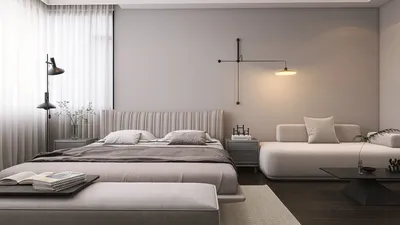


In the past ten years as an interior designer, I've observed a significant evolution in living room window trends, becoming bolder and more intentional. The increasing emphasis on natural light and eco-friendliness has led us to view windows as key architectural elements rather than mere decoration. This is particularly true for smaller spaces, which compel us to innovate; a thoughtfully designed window can create a sense of expansiveness in a living room. In this piece, I will reveal my top 10 innovative living room window ideas, combining my personal insights with professional advice, highlighting tools like Homestyler to aid in visualization.
1. Floor-to-Ceiling Glass Windows
My Perspective: I once transformed a city apartment where the living room featured just a single wall of windows. By replacing it with a floor-to-ceiling glass panel, the entire atmosphere of the space changed dramatically.
Advantages: These windows maximize natural light, provide breathtaking views, and foster an open, airy ambiance—particularly beneficial in smaller apartments.
Drawbacks: Privacy can be a concern; implementing layered window treatments may be necessary for light control and seclusion.
Pro Tip: Double glazing is worth considering for improved energy performance and soundproofing.
2. Bay Window Reading Nook
My Perspective: My favorite spot growing up was my grandmother's bay window. Adding a cushioned bench made it not just comforting but also a useful space.
Advantages: It provides extra seating, enhances sunlight variation, and establishes a centerpiece in the living room.
Drawbacks: Custom cushions and finish details can considerably raise renovation expenses.
Example: In a coastal residence I redesigned, a bay window included hidden storage under the bench—ideal for stowing blankets and books.
3. Minimalist Black Frame Windows
My Perspective: I appreciate how slender black aluminum frames impart a sleek, modern silhouette to a living room—especially eye-catching against white walls.
Advantages: These windows introduce architectural contrast, perfectly complementing modern, industrial, and Scandinavian decor styles.
Drawbacks: Dark frames may show fingerprints and dust more readily.
Minimalist black frame designs can seamlessly integrate into open-plan spaces.
4. Arched Windows for a Gentle Appeal
My Perspective: Arched windows bring to mind the charm of Mediterranean villas—both graceful and enduring.
Advantages: They introduce sophistication, break the monotony of rigid lines, and enhance historical appeal.
Drawbacks: Custom designs can be pricey and more challenging to replace.
Pro Tip: Utilize sheer curtains to showcase the window's unique shape without hiding it.
5. Sliding Glass Doors as an Alternative to Windows
My Perspective: I've often converted smaller windows to sliding glass doors to create a harmonious flow between indoor and outdoor environments.
Advantages: These doors flood the space with light, expand usable area, and promote better airflow.
Drawbacks: Structural modifications may be necessary; they might not be suitable for colder areas unless well-insulated.
Planning for sliding door integration can prevent the loss of essential wall space needed for furniture.
6. Leaded Glass Accent Windows
My Perspective: I once revitalized a historic property where leaded glass cast beautiful patterns across the living room each morning.
Advantages: They enrich the character of the space, soften direct sunlight, and maintain privacy.
Drawbacks: Cleaning can be more challenging, and leaded panes are typically more delicate.
Pro Tip: Pair them with plain glass for a mix of textures while keeping costs manageable.
7. Clerestory Windows Providing Discreet Illumination
My Perspective: These elevated windows are my preferred choice for clients desiring light without sacrificing privacy.
Advantages: They brighten interiors while leaving wall space free for artwork or furniture placement.
Drawbacks: The view may be restricted; cleaning can be tricky without tall ladders.
8. Corner Windows for a Dramatic Focus
My Perspective: Wrapping glass around a corner creates a unique expansiveness that traditional windows cannot replicate.
Advantages: They provide multiple perspectives, enhance outward views, and create a sense of luxury.
Drawbacks: Engineering these windows can be an expensive endeavor; high-quality insulated glass is essential for climate control.
Designing corner windows requires thoughtful consideration of structural needs before construction begins.
9. Window Walls with Shelving Solutions
My Perspective: Combining storage solutions with windows can create a functional yet stylish feature.
Advantages: This design maximizes space usage, keeps the room organized, and frames picturesque views.
Drawbacks: Bulky shelves might obstruct some light if not designed carefully.
Example: In a loft renovation, we incorporated narrow floating shelves adjacent to windows—this way, light continued to stream in while providing client display options.
10. Shuttered Windows for Versatile Light Management
My Perspective: Classic wooden shutters add warmth to any space and offer precise light control.
Advantages: They stand the test of time, offering durability and effective privacy while enhancing energy efficiency.
Drawbacks: Can be cumbersome; might not suit ultra-minimalist aesthetics.
Pro Tip: Select adjustable louvers for maximum flexibility throughout the year.
Wrap-Up
Creating the ideal living room window isn't merely a matter of aesthetics; it's about how the space influences your emotions. In both small and large rooms, smart window choices can vastly enhance possibilities rather than constraints. Architectural expert Sarah Susanka emphasizes in 'The Not So Big House' that proportions and light hold more significance than size alone. Which of these 10 window concepts would you like to incorporate? Perhaps utilizing Homestyler can help visualize your favorite ideas!
Common Questions
1. What are the best window options for compact living rooms?
Clerestory and corner windows are excellent—they optimize light while conserving lower wall space.
2. How can I brighten my living room without major renovations?
Opt for lighter drapery, strategically place mirrors opposite windows, and choose slim frames to maximize daylight.
3. Are floor-to-ceiling windows energy-efficient?
Absolutely, particularly if you select double- or triple-glazed, low-E glass, recommended by the U.S. Department of Energy for insulation.
4. How can I safeguard my privacy with large windows?
Combine sheer curtains with thicker drapes or consider utilizing smart glass technology for added discretion.
5. Are black frame windows merely a fad?
No, they've been a staple in industrial architecture for years and adapt seamlessly to numerous design styles.
6. How should I dress bay windows?
Think about Roman shades for minimal obstruction or a cushioned bench that offers both functionality and style.
7. Is it possible to pair shutters with other window treatments?
Definitely, combining shutters with light drapes allows for more versatile light and thermal control.
8. Is upgrading windows for purely aesthetic reasons worthwhile?
If your current windows are inefficient or poorly placed, modernizing them can significantly enhance comfort and increase property value.
Homestyler is your go-to online platform for home design! With its user-friendly design tool, stunning 3D renderings, and a plethora of inspiring design projects and video tutorials, you can easily create and visualize your dream space. Start your design journey today!
Projete agora para LIVRE
































