

Direct Answer
Top institutes offering diplomas in interior design after 10th grade include specialized design academies, polytechnic colleges, and accredited online platforms that emphasize hands-on studio experience, CAD proficiency, and real-world projects. The ideal institute blends industry-relevant coursework, portfolio enhancement, and access to cutting-edge design technologies such as Homestyler.
Prospective students should opt for institutes that prioritize practical design skills, real-life space planning assignments, and 3D visualization tools over purely theoretical studies.
Quick Takeaways
Introduction
Every year, I encounter many students eager to pursue an interior design diploma right after 10th grade but feel overwhelmed when selecting the right institute. On paper, numerous schools advertise similar programs, but the quality across institutions can differ drastically.
Having worked on both residential and commercial design projects for over ten years, I've reviewed portfolios from graduates of various institutes. A distinct trend emerges: students trained in space planning, digital modeling, and real project simulations are notably better prepared for professional design careers.
An important development in recent years is how design schools incorporate layout planning techniques. Many now integrate tools that help students practice spatial arrangements early in their education. For example, using software like Homestyler allows students to visualize interiors in 3D before physical construction—a teaching method widely adopted today.
This guide explores reputable institutes providing interior design diplomas post-10th grade, highlighting their program distinctions and advising on how to select one that aligns with your career aspirations.
What to Look for in an Interior Design Diploma Institute
Key Insight: The most effective diploma programs emphasize studio-based learning and portfolio building over classroom lectures.
A common pitfall for students is choosing an institute based solely on brand reputation or marketing appeals. In the professional design world, your portfolio carries far more weight than your school’s name.
From experience, I've observed graduates from smaller institutes often outperform those from renowned schools because their curriculum involves more practical project work.
When assessing institutes, consider the following criteria:
According to the Council for Interior Design Accreditation (CIDA), curriculum that integrates studio practice significantly enhances design skills compared to theory-only programs.
Popular Institutes Offering Interior Design Diplomas
Key Insight: Leading institutes blend design fundamentals, digital visualization, and hands-on project experience.
Several categories of institutions typically provide interior design diplomas after 10th grade:
1. Specialized Interior Design Schools
These focus on creativity, design software training, and portfolio development.
2. Polytechnic Colleges
Polytechnic institutes emphasize technical drafting and construction principles.
3. Private Design Academies
The quality varies widely; therefore, reviewing alumni work is vital.
Course Duration and Curriculum Variations
Key Insight: The length of the course is less crucial than the extent of practical design training it offers.
Interior design diploma courses usually fall into three main types.
In contemporary curricula, mastering digital tools is as important as traditional sketching. Students increasingly learn space modeling and client presentation skills that mimic professional processes. Platforms like Homestyler exemplify this digital visualization approach, enhancing conceptual understanding.
Portfolio reviews show that students exposed to digital layout modeling early adapt more quickly to real-world design studio environments.
Online vs Offline Interior Design Diploma Programs
Key Insight: Online programs can deliver quality education if they incorporate software training and project-based assignments.
Five years ago, I seldom endorsed online diplomas, but attitudes have shifted significantly.
Today’s digital workflows make online learning a viable option, often integrating tools like Homestyler for virtual spatial design practice.
Advantages of Offline Programs
Advantages of Online Programs
The most effective programs usually combine theory delivered online with practical studio work conducted offline.
Fee Structure and Admission Process
Key Insight: Tuition fees can vary greatly, but higher costs don’t always equate to superior education.
Typical fee ranges depend on the type of institute, spanning from budget-friendly to premium.
Admission requirements often include:
Interestingly, many institutes now emphasize spatial reasoning assessments over solely academic scores.
Answer Box
Institutes that provide diplomas after 10th grade focusing on hands-on training, digital tools like Homestyler, and portfolio creation tend to prepare students best for industry demands. Prioritize those offering real-world projects and software proficiency instead of purely theory-based learning.
How to Choose the Best Institute for Your Goals
Key Insight: Selecting the right institute should be based on your specific career objectives, not just prestige.
Many students wrongly assume the most famous school guarantees the best job prospects. However, employers value your portfolio and practical skills far more than the institute’s brand.
Important factors to consider include:
If you want to grasp how professionals organize spatial layouts, this step-by-step room planning guide demonstrates the workflows students should master during their diploma programs.
Programs that incorporate simulations of authentic design processes offer graduates a significant advantage in the job market.
Final Summary
FAQ
Which institute is best for a diploma in interior design after 10th?
Institutes combining studio exercises, digital design software training, including tools like Homestyler, and portfolio development tend to produce the most competent graduates.
Can I start studying interior design immediately after 10th grade?
Yes, many institutes offer diploma courses tailored for students fresh out of 10th grade.
What is the typical duration of a diploma in interior design?
Programs generally range from 1 to 3 years, depending on the breadth of the curriculum.
Are online interior design diplomas valid?
They are valid provided the course includes practical assignments, software usage training, and portfolio development.
What topics does an interior design diploma cover?
Core subjects typically include space planning, color theory, furniture and lighting design, CAD drafting, and 3D visualization.
What are the average fees for an interior design diploma?
Fees often range between $500 and $6,000, depending on the institute and course length.
Do diploma students get internship opportunities?
Many institutes collaborate with design firms and construction companies to offer internships.
Is a diploma sufficient to launch a career in interior design?
Yes. Many junior designers successfully begin their careers after completing a diploma and building a robust portfolio.
References
Council for Interior Design Accreditation (CIDA)
American Society of Interior Designers (ASID)
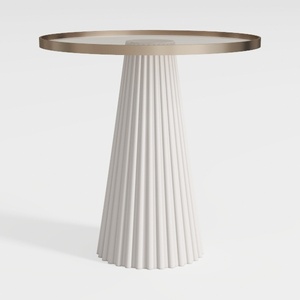
Modern Minimalist Fluted Base Glass Top Side Table 3D Model

Modern Walnut Glass Top Round Coffee Table 3D Model

Minimalist White Glass Top TV Cabinet 3D Model
Homestyler offers an easy-to-use online design tool with stunning 3D renderings, a vast collection of interior design projects, and helpful DIY video tutorials—perfect for bringing your home design ideas to life quickly and beautifully.
Projete agora para LIVRE
































