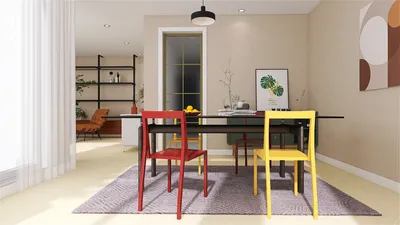


I once chose a color I adored for a tiny studio without considering how it would look under the warm lighting of the apartment—it was a regrettable decision; the entire room resembled a poorly executed sunset. Smaller spaces can be quite revealing, but they also provoke innovative solutions, which is why I consistently visualize layouts when selecting colors and finishes. This visualization process enables me to anticipate whether a bold color will create a cozy ambiance or feel cramped.
1. Opt for low-VOC classics to ensure healthier living spaces
When clients inquire about indoor air quality, I regularly recommend low-VOC options like Benjamin Moore Natura and Sherwin-Williams Harmony. The benefits are clear—improved air quality and reduced odors—but be aware that these lines may come with a higher price tag and occasionally a different drying sheen; always apply test patches and ensure proper ventilation during painting.
save pin
2. Select washable, durable paints for kitchens and bathrooms
For kitchens and bathrooms, I prefer premium washable paints—Sherwin-Williams Emerald and Benjamin Moore Aura Bath & Spa excel in stain resistance and mildew management. While planning your kitchen, integrating these finishes with effective layout ideas not only enhances cleanliness but also optimizes workflow; although they are more expensive, the investment pays off in busy areas.
save pin
3. Choose high-pigment options for rich, vibrant colors
Brands like Farrow & Ball and select collections from Benjamin Moore provide rich, complex hues that often require only a single coat. The result is stunningly beautiful walls; however, be prepared for additional coats and higher costs, so I typically suggest these options for accent walls or small spaces where a significant impact is desired.
save pin
4. Utilize budget-friendly paints for whole-house refreshes
If you're planning to repaint an entire apartment, brands like Behr, Valspar, and PPG deliver commendable mid-range performance without excessive costs. They work well for neutral bases and touch-ups, though matching premium coverage sometimes necessitates primer or an extra coat—good brushes and thorough preparation can salvage many budget-friendly paints.
save pin
5. Experiment with specialty and smart finishes for unique flair
Magnetic, chalkboard, or antimicrobial paints offer both fun and functionality—ideal for a children's wall or a bathroom surface focused on hygiene. I also explore tech-driven mockups; using specialty finishes alongside AI-designed interior concepts allows clients to visualize outcomes before finalizing decisions, but expect extra preparation and a higher cost per square foot.
A personal tip: always purchase sample pots, test them under your room’s lighting at various times of the day, and select a finish suited to the use—eggshell for living areas, satin for kitchens, semi-gloss for trim. Color swatches can appear differently on walls compared to cards, and a small test can prevent future repainting.
save pin
FAQ
Q1: What are the top interior paint brands for low VOCs?
I suggest brands like Benjamin Moore Natura, Sherwin-Williams Harmony, and several premium lines from Behr for low-VOC selections. They effectively balance odor control with coverage, although prices may vary by store.
Q2: Are high-end paint brands worth the greater expense?
Absolutely, if you desire exceptional pigment, coverage, and durability—especially for feature walls or trim. For entire room repaints, consider mixing premium paints for accents and mid-range options for the rest to manage your budget.
Q3: How can I effectively test paint in a small room?
Purchase sample pots and apply 1-2 square foot patches on different walls, checking how they look under morning and evening light. Keep an eye on the sheen and how the color interacts with both natural and artificial lighting.
Q4: What finish is recommended for kitchens?
A satin or eggshell finish in a washable formula is typically ideal—durable and easy to clean without excessive shine. For trim and cabinets, a semi-gloss finish offers added durability and a refined appearance.
Q5: Are budget paints appropriate for rental properties?
Yes, indeed—Behr and Valspar often provide solid durability for rental turnovers when combined with the right primer. They are cost-effective while still offering satisfactory coverage.
Q6: How crucial is primer in painting?
Extremely important—primer evens out uneven surfaces and assists in achieving true color with fewer topcoats. Omitting primer often leads to more paint and uneven finishes, which can cost both time and money long-term.
Q7: Can paints affect indoor air quality?
Yes—volatile organic compounds (VOCs) found in certain paints can contribute to indoor air pollution and odors; whenever possible, opt for low-VOC or zero-VOC certified paints. For more insights and guidelines, refer to the U.S. EPA regarding VOCs and indoor air quality: https://www.epa.gov/indoor-air-quality-iaq/volatile-organic-compounds-impact-indoor-air-quality.
Q8: How should I choose the right brand for my project?
Align the brand with your priorities: low-VOC for health considerations, washable for kitchens, high-pigment for color intensity, and budget lines for whole-house makeovers. If in doubt, test samples and inquire with your local retailer about return policies and color matching services.
save pin
Homestyler is your go-to online home design platform! With its user-friendly design tool, stunning 3D renderings, and a wealth of inspiring design projects and video tutorials, transforming your home into a dream space has never been easier. Start creating today!
Projete agora para LIVRE
































